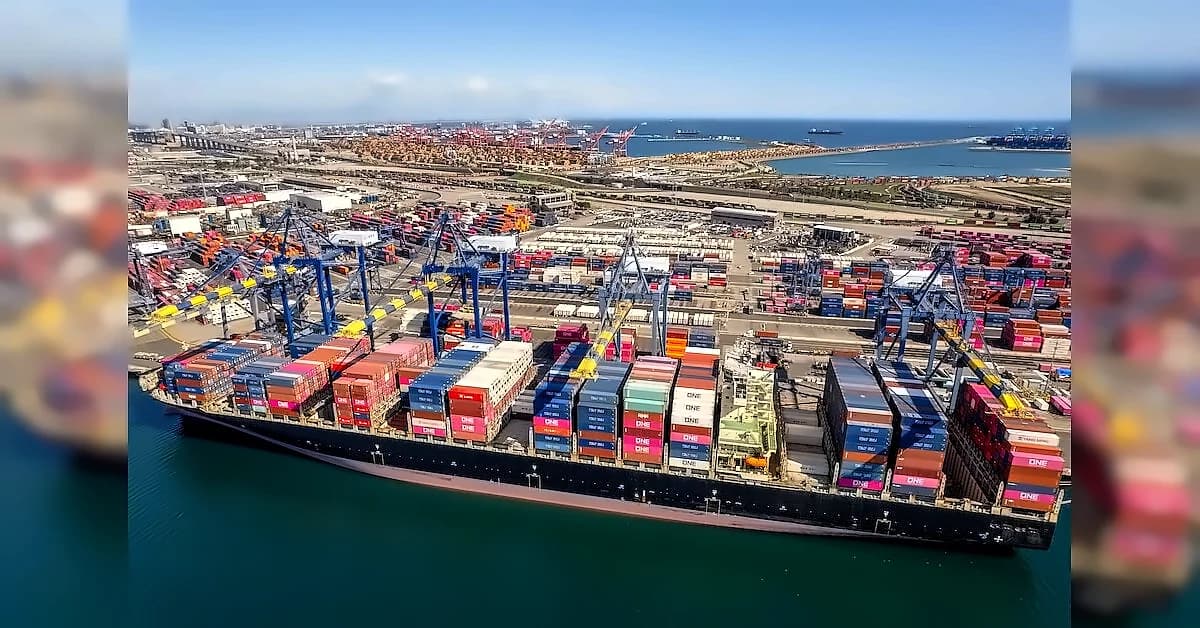
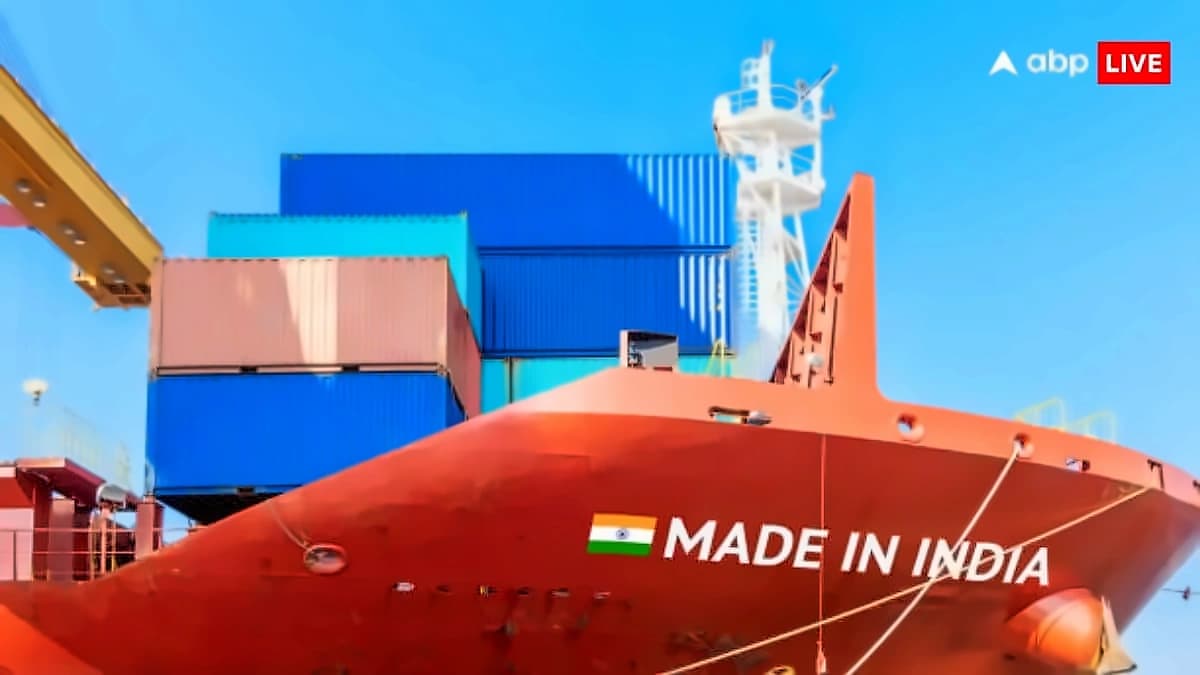
India's merchandise exports to countries covered by its free trade agreements surged 25% year-on-year to $43.14 billion during April-June 2026, compared with $34.65 billion in the corresponding period last year, as reported by NDTV Profit. In contrast, India's overall merchandise exports increased 16% to $129.32 billion in the quarter from $111.57 billion a year earlier. The stronger growth lifted the contribution of FTA partner countries to India's export basket, with their share rising to 33.4% in the April-June period of FY27 from 31.1% in the same quarter of the previous fiscal, reflecting growing reliance on preferential trade agreements to access overseas markets.
The government pointed to a sharp increase in the number of Certificates of Origin issued under FTAs, a key document that enables exporters to claim preferential tariff benefits. As reported by NDTV Profit, the number of certificates issued has more than doubled from 3.6 lakh in FY22 to over 7.8 lakh in the first quarter of FY27, indicating greater adoption of India's trade agreements by exporters. The commerce ministry said it continuously reviews the effectiveness of FTAs through consultations with industry associations, export promotion councils, trade bodies, Indian missions abroad and other ministries to address implementation challenges and improve market access.
Indian exporters seeking sustained growth must adopt an integrated strategy combining intellectual property (IP) protection, effective utilisation of free trade agreements, customs documentation, regulatory compliance, and supply chain controls, according to a joint report by Trade Promotion Council of India (TPCI) and RNA Technology and IP Attorneys. As reported by PTI, for exporters expanding into overseas markets across North America, Europe, the Middle East, Africa, Southeast Asia, and Latin America, IP has evolved from a legal concern to a business asset influencing market access, valuation, partnerships, and long-term competitiveness. The report emphasizes that for Indian exporters, international growth requires an integrated operating discipline where these elements are planned together before market exposure begins. As per the report, for exporters, the most valuable assets should not be limited to factories or inventories alone, highlighting the critical importance of intellectual property in modern export strategies.

The report outlines that international expansion requires a proactive and structured IP strategy where businesses must identify key intellectual assets, assess ownership and protection gaps, evaluate trademark availability, and determine filing priorities for patents, trademarks, designs, and trade secret protection. As reported by PTI, delays in these preparatory steps can result in missed opportunity windows and permanent loss of valuable rights. The consequences of inadequate IP planning can be severe, including encounters with trademark squatters, patent infringement claims, customs seizures, counterfeiting, trade secret theft, or costly rebranding exercises. The report emphasizes that before entering a new market, businesses should identify their key intellectual assets, assess ownership and protection gaps, evaluate trademark availability, and determine filing priorities to avoid these pitfalls.
India recorded its highest-ever exports in FY26, with combined merchandise and services exports touching $863.1 billion, up from $676.53 billion in FY22, as reported by NDTV Profit. While merchandise exports rose to $441.73 billion over the period, services exports surged to $421.29 billion, providing a major boost to the country's overall export performance. The government also highlighted the contribution of Production Linked Incentive (PLI) schemes, saying that 892 approved projects across 14 sectors had attracted investments exceeding ₹2.4 lakh crore and generated exports worth more than ₹15.2 lakh crore as of March 31, 2026.