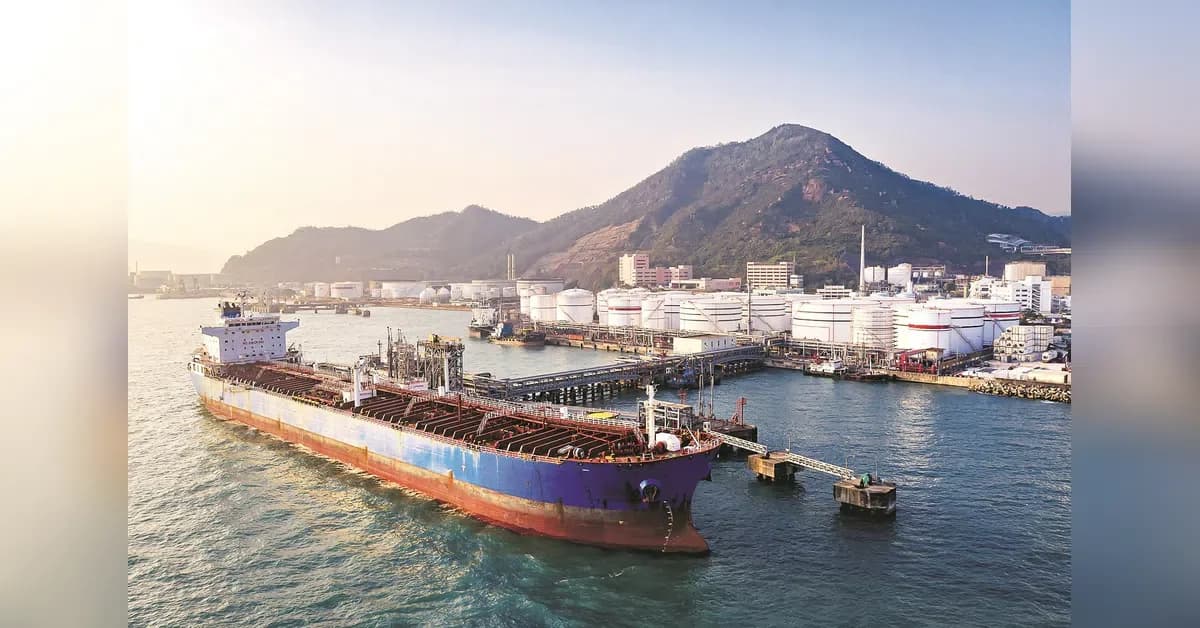
India's Shipping Ministry has restored 2018 relaxations allowing foreign-flagged vessels to carry specified cargo between Indian ports, intensifying competition for Indian shipping companies amid global disruptions. According to reports from The Times of India, the ministry issued an order on August 10 rescinding two orders issued in January that had reversed these relaxations. The latest order allows foreign-flagged vessels to carry specified cargo between Indian ports and ensures shipping capacity remains available during a period of global disruption. The ministry stated that the withdrawal of the January and March orders until September was intended to provide policy stability and operational certainty to India's maritime trade and logistics sector.
India's exporters and importers are experiencing severe shipping cost increases due to global disruptions. According to reports from Business Standard, shipment costs to the US have risen dramatically from approximately $1,500 before the US-Iran conflict to about $10,000 for a 40-foot container. Similarly, freight rates to the Gulf, Europe and East Africa have increased from about $300 to $4,000, $1,200 to $5,000 and $1,200 to $3,400 respectively. Even China-India shipments, on a route not directly affected by the West Asia conflict, have seen freight rates rise to almost $3,100. These increases are pushing up landed costs by an estimated 10-15% for many imports and exports, while eroding profitability and constraining working capital. The current situation is reminiscent of the challenges faced during the Covid-19 pandemic, making it particularly difficult for businesses to manage these disruptions.
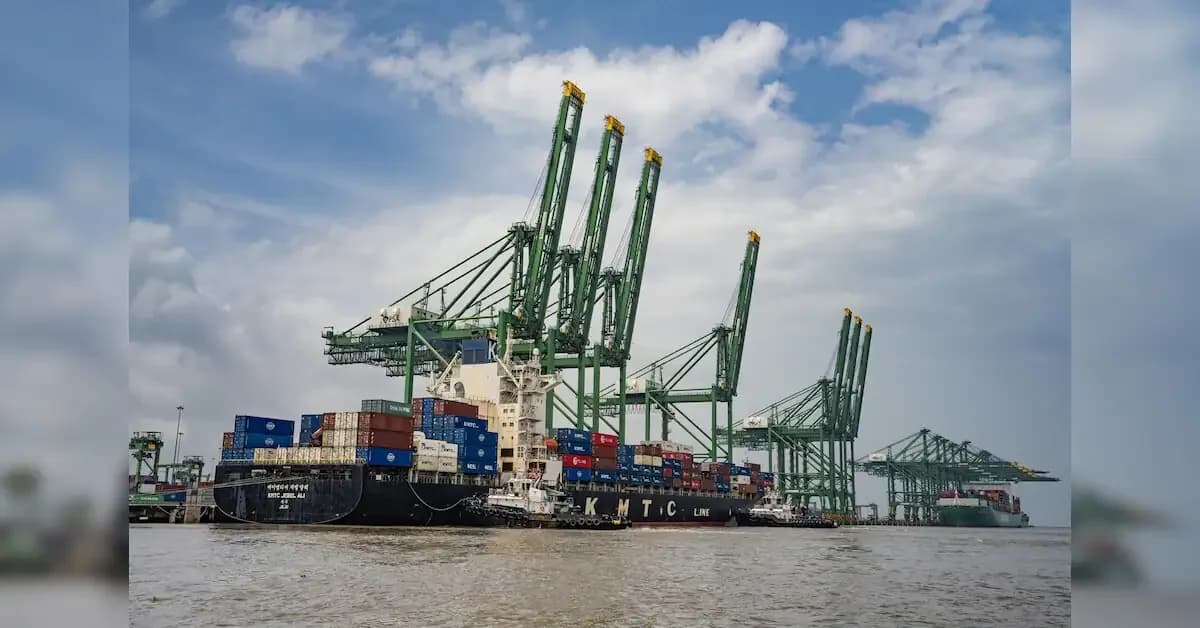
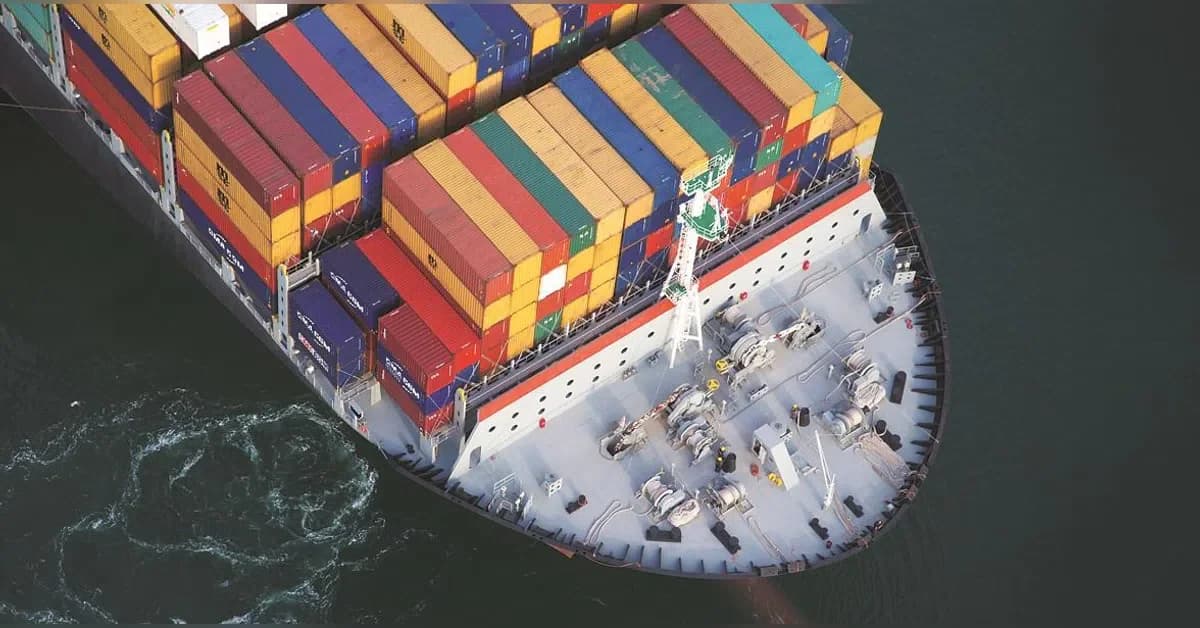
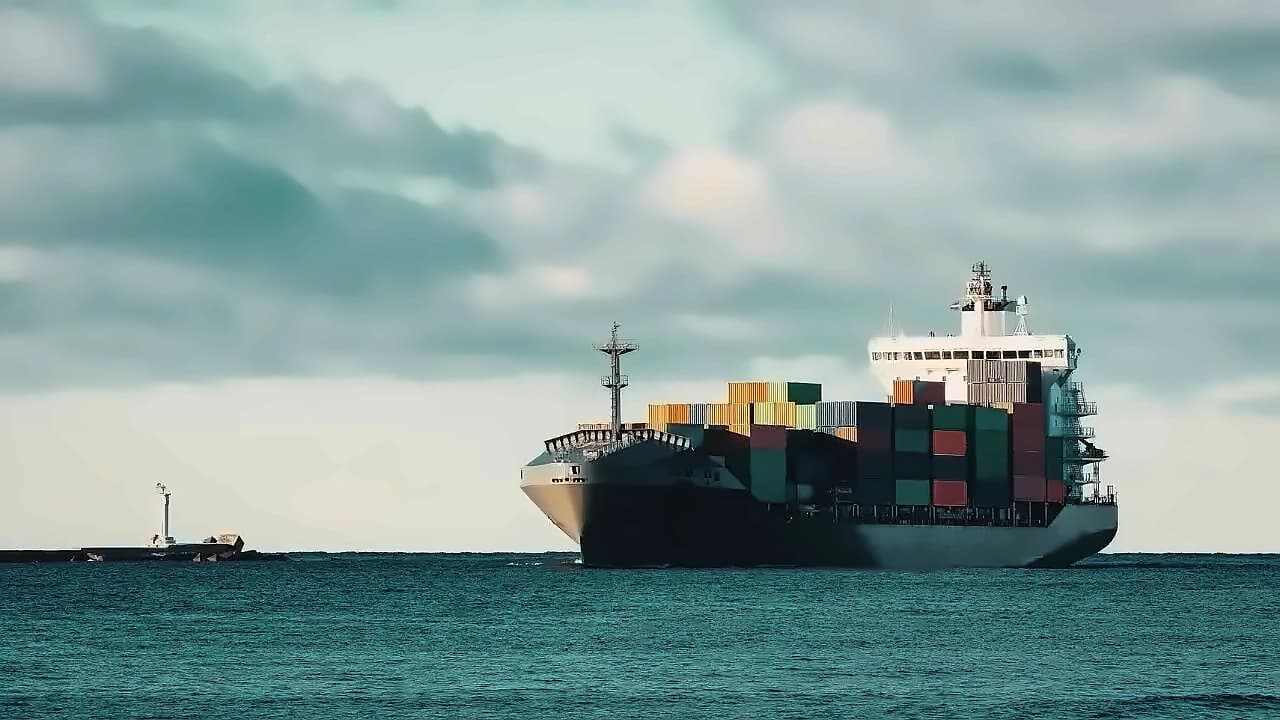
The primary reason for increased freight rates is uncertainty over safe passage of vessels through the Strait of Hormuz and the Red Sea. As reported by Business Standard, major shipping lines such as Maersk have reduced services through conflict-affected areas and diverted vessels around the southern tip of Africa. They have also reduced vessel rotations and reallocated capacity. A surge in exports from China has made ex-China freight rates quite attractive, encouraging shipping lines to prioritise Chinese ports, including for repositioning empty containers. The suspension by Mediterranean Shipping Company of some services to Indian ports has added further pressure on other India-bound carriers, which are able to pass higher operating costs on to shippers amid the supply-demand imbalance. Shippers opting for bundled services reportedly receive priority access to shipping space, while others face delays and uncertainty even where long-term contracts exist.
The Iran war has created a split economic picture with financial markets recovering while households and businesses face ongoing disruptions. According to The Times of India, oil prices surged from around $72 a barrel before the war to nearly $120 at peak, though they have since eased. Higher energy costs have fed into fertiliser prices, which peaked in April at 44% above pre-war levels according to the World Bank's price index. Some farmers have responded by reducing fertiliser use, potentially affecting future crop yields. The UN World Food Programme warns that higher food and transport costs could push millions more people towards hunger, with WFP's acting executive director noting that "an oil tanker anchored in the Strait of Hormuz can mean one less meal a day for a child in Sudan." The International Air Transport Association expects jet fuel prices to average 70% higher in 2026 than in 2025, forcing airlines to raise fares and introduce fuel surcharges. As per Columbia University economist Brett House, "The likelihood that fuel surcharges are going to be rolled back and airfares are going to be brought down is very low over the next few months."
While the policy reversal aims to ensure shipping capacity for exporters and importers, it raises concerns about competition for Indian shipping companies. According to The Times of India, the decision means Indian-flagged shipping companies will not get exclusive access to eligible coastal cargo and will continue to compete with foreign carriers. Crisil Intelligence's Jagannarayan Padmanabhan noted that the decision "essentially maintains continuity and status quo" for shippers and shipping companies, while avoiding another regulatory transition. However, a former department official questioned the rationale, stating that after a thorough review involving stakeholders, the government had determined the 2018 Orders were worthless and should be withdrawn. Maritime trade expert Rajesh Menon emphasized that retaining the arrangement was necessary to ensure adequate ship availability for India's export-import trade, noting that "since the geopolitical situation is grim, there should be availability of ships." Despite the shipping challenges, global financial markets have shown remarkable resilience, with the Dow Jones gaining nearly 19% from late-March lows, the S&P 500 rising almost 22%, and the Nasdaq advancing about 27%. As per investment strategist Michael Ashley Schulman of Cerity Partners, "So far, the global economy has pulled off the financial equivalent of a 'Mission Impossible' scene."
The conflict has created distinct economic winners and losers across different sectors. According to The Times of India, electric vehicle sales have recorded sharp increases with EV sales rising 110% year-on-year in Singapore, 180% in New Zealand and 300% in Colombia. The International Energy Agency expects EVs to account for 29% of global vehicle sales in 2026, up from 25% in 2025. Companies involved in missile defence, drones, satellites and other military systems have secured contracts linked to the US response to the conflict, with Lockheed Martin, General Dynamics, Northrop Grumman and other defence suppliers benefiting. Some companies linked to the investment portfolios of members of President Donald Trump's family have also reportedly benefited from increased defence spending, including Powerus which secured a US Air Force contract worth up to $90 million to supply interceptors for Iranian drones. However, oil-dependent transport sectors remain the biggest immediate casualty, with higher fuel costs pushing airlines to raise fares and introduce fuel surcharges, while some carriers have reduced flights or reconsidered expansion plans.