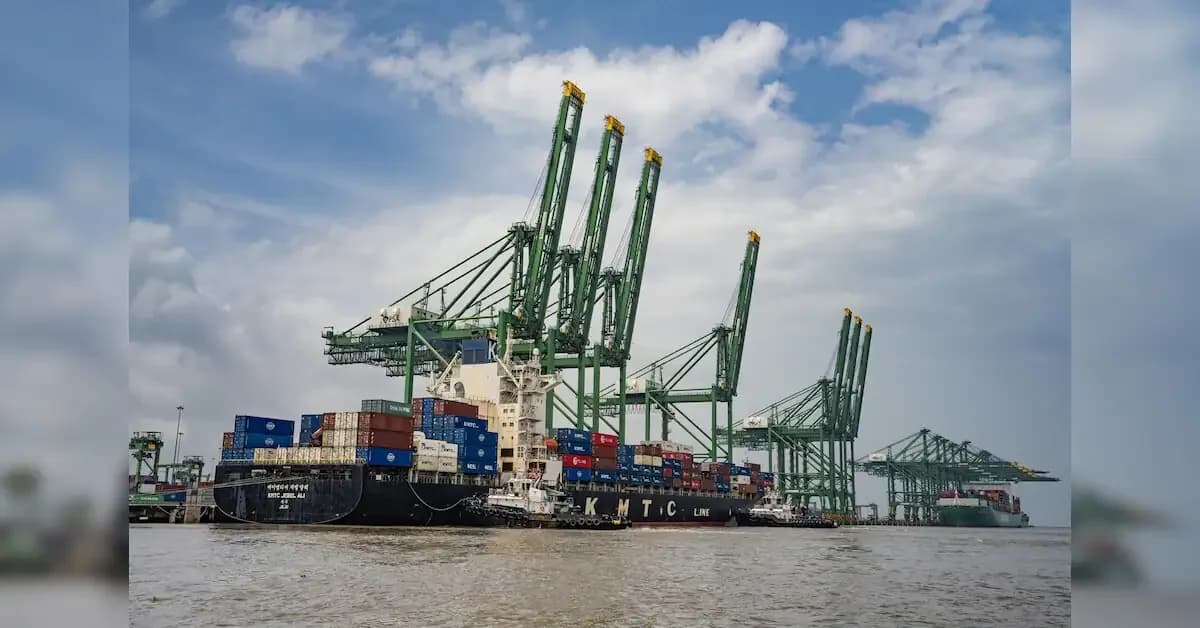
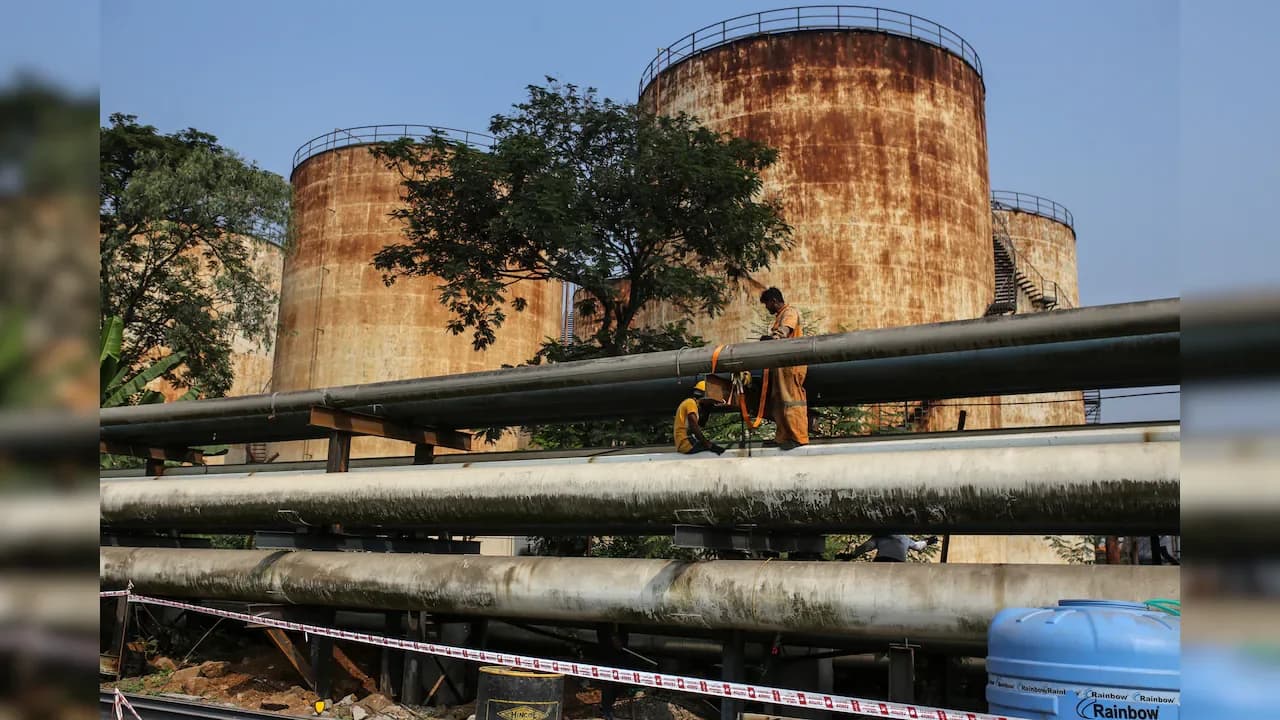
India's ports experienced a near 2% year-on-year decline in international maritime cargo during April, according to the ministry of ports, shipping and waterways' data. Major ports owned by the Centre handled 73 million tonnes (mt) of cargo, while non-major ports owned by private players and state governments processed 59.5 mt. This decline was primarily driven by decreased volumes in crude oil, fertilisers, and coal, as reported by Business Standard.
The cargo volume contraction continues a trend that began after the US-Israel-Iran war started on February 28. In March, state-owned ports recorded a 4.3% contraction in volumes, while cargo for private and state maritime board ports reduced by 6% year-on-year. With the West Asia war choking the vital Strait of Hormuz, India's energy needs, particularly oil and gas, remain heavily reliant on this strategic waterway, as reported by Business Standard.
Most major ports on India's West Coast reported contractions in Exim cargo volumes. Deendayal Port Authority (Kandla Port), among India's largest, recorded an 11% decrease in overseas cargo, while Cochin, New Mangalore, Paradip and Kolkata ports on the East Coast also experienced volume contractions. The Gujarat Maritime Board, comprising dominant ports like Mundra and Pipavav along with captive ports for major government and private oil refineries, reported 32 mt of cargo with a 2% decrease over last April, as reported by Business Standard.
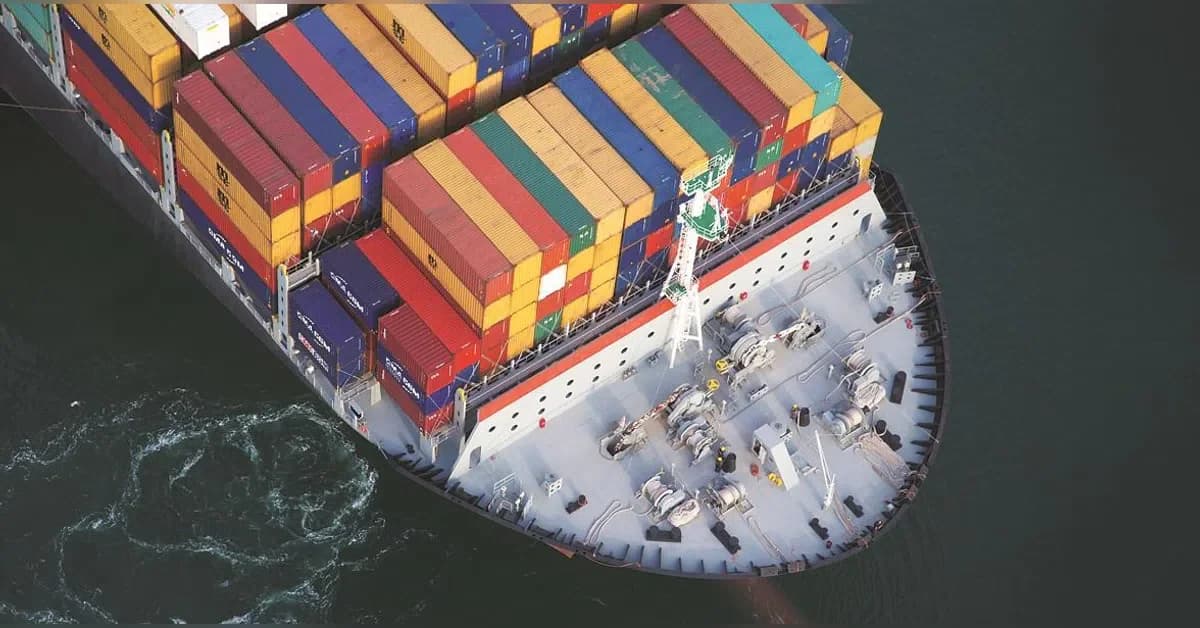
Despite the decline in international cargo, ports maintained positive performance through coastal cargo growth. Major ports reported a 17% year-on-year increase in coastal cargo in April, while non-major ports saw a 6% rise. Maharashtra's Jawaharlal Nehru Port Authority (JNPA) and Mumbai Port handled over 15 mt of cargo, with JNPA previously experiencing congestion due to a major chunk of West Asia-bound exports and imports. Commerce Minister Piyush Goyal and Shipping Minister Sarbananda Sonowal met to address congestion issues at JNPA due to trailer driver shortages, with relief measures including waived ITRHO charges and ground rent waivers on a case-to-case basis, as reported by Business Standard.
The West Asia conflict is also affecting India's national highway toll collections, with Crisil Ratings projecting toll growth to moderate to 5-7% in FY27. According to Crisil, toll collection growth may slow by 150-200 basis points year-on-year due to geopolitical tensions and inflationary pressures. Commercial vehicles, which account for nearly 75% of toll revenue, are particularly affected, with sequential decline in FASTag toll collections already visible in March and April. However, Crisil expects the impact to be temporary and recouped next fiscal through higher inflation-linked toll rate hikes, with toll collection growth potentially reaching 8-10% in the next fiscal year. The economic disruption caused by the West Asia conflict is expected to push inflation higher during this fiscal year, leading to steeper toll hikes in FY27-28 as toll revisions follow WPI with a one-year lag.