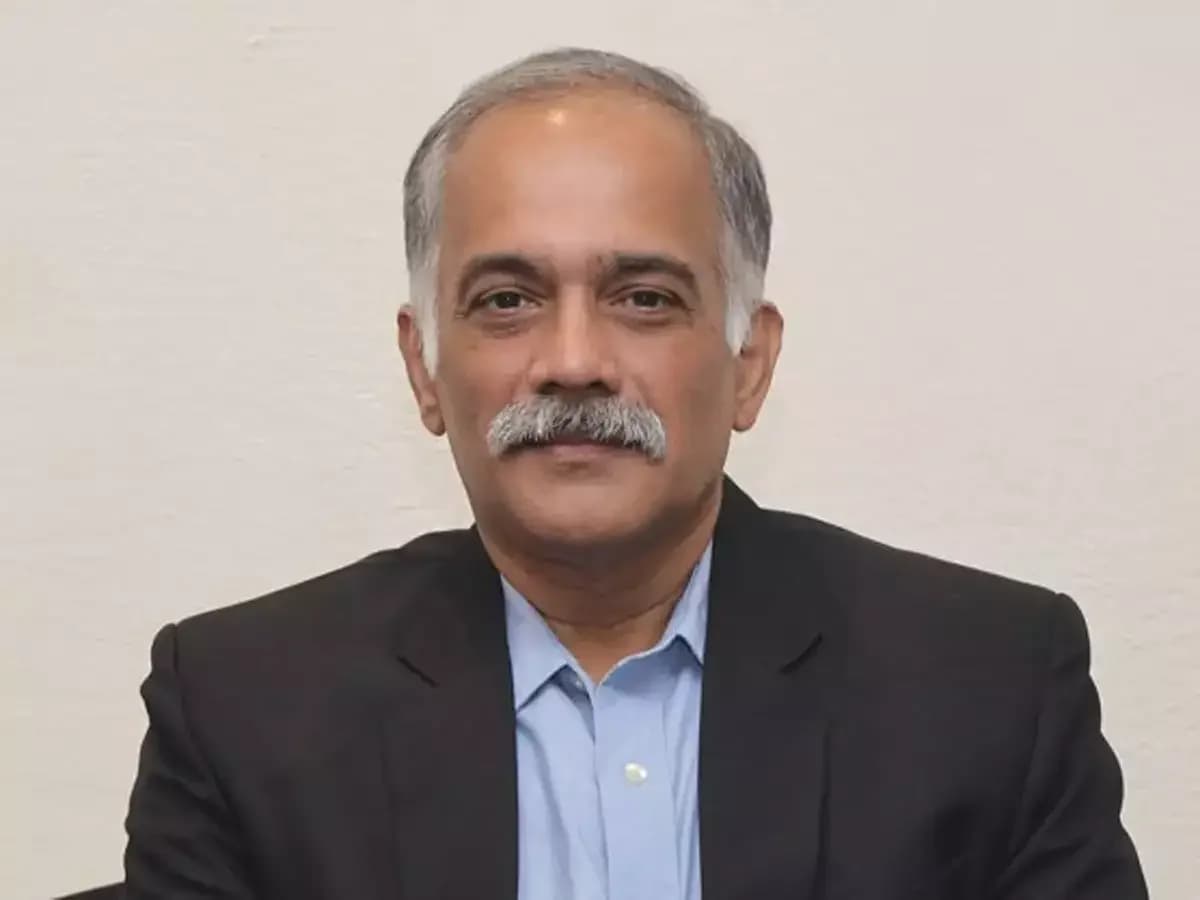
Mumbai-based Indian Register of Shipping (IRClass) has taken decisive action against vessels involved in sanctions evasion, de-classifying 235 ships from its registry since 2023. According to reports from Reuters, Executive Chairman Arun Sharma confirmed that the non-profit organisation has implemented a comprehensive sanctions policy, refusing to certify any vessels with Western sanctions regardless of their origin. The de-classified vessels primarily consist of oil tankers and a few gas carriers, representing a significant portion of India's maritime fleet.
As reported by Reuters, IRClass has adopted a zero-tolerance approach to sanctions compliance since 2023, refusing to certify ships under U.S., European, or UK sanctions. Sharma explained that the registry previously had vessels affected by Western sanctions but now maintains 'a very comprehensive' sanctions policy. The organisation has released approximately 13 million gross tons of tonnage that were sanctioned vessels but could not satisfactorily explain their sanction status, representing a substantial portion of the de-classified fleet.
According to Reuters reports, IRClass's decision aligns with India's broader stance on international sanctions compliance. India, as the world's third-biggest oil importer and consumer, declined Russia's offer to sell liquefied natural gas subject to U.S. sanctions last month. This move contrasts with China's approach, which recently ordered firms not to comply with U.S. sanctions on five Chinese refiners over Iranian oil purchases. However, Sharma acknowledged limitations in determining cargo carried by vessels, noting that while IRClass can verify ownership, it has no control over cargo destinations.
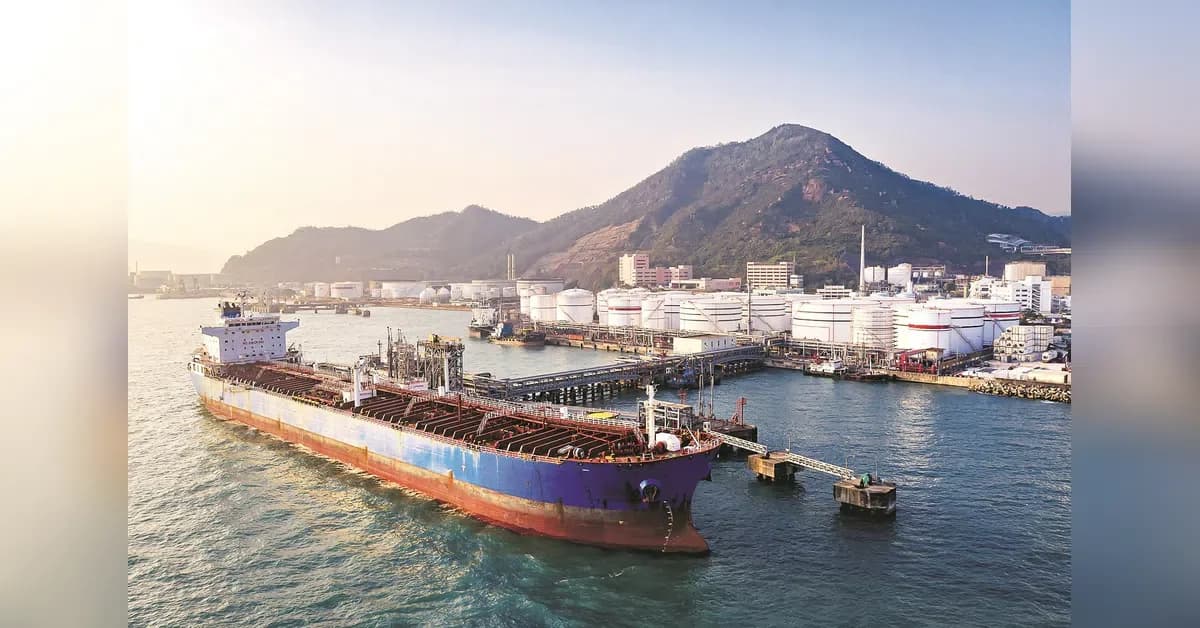
As reported by Reuters, removal from IRClass's registry is likely to complicate a vessel's ability to secure insurance and potentially access ports. The de-classification represents a significant shift in India's maritime certification practices, with IRClass among the world's leading ship certifiers. While the move reduces the risk of sanctions evasion, it also raises concerns about the potential growth of the 'shadow fleet' - vessels without known insurance or environmental compliance standards that have helped Iran and Russia circumvent sanctions and pose oil spill risks in busy sea lanes.