The Strait of Hormuz crisis has reached a critical juncture with Iran's closure of the waterway causing 20% of the world's oil flow to come to a near halt. According to The Times of India, 18 of the 40 India-bound priority vessels are loaded with energy products, highlighting their critical importance for India's energy security. The crisis has pushed Brent crude oil prices from $72 per barrel on February 27 to over $100 on March 12, with prices remaining around $100 per barrel despite recent volatility. Iran's closure has forced several Gulf oil companies to declare force majeure, meaning they would no longer honour delivery contracts, while the rupee has moved in virtually perfect correlation with oil prices, falling from ₹91 against the dollar on February 27 to ₹92.4 on March 12. Latest reports indicate that US oil prices have surged above $110 per barrel due to stalled ceasefire talks and the blocked Strait of Hormuz, with US petrol prices rising by approximately 40% since the start of the Iran war.
The oil supply disruption has triggered significant economic consequences for India. As reported by The Times of India, foreign portfolio investors (FPIs) took nearly $7 billion out of India between March 1 and 15, while the rupee depreciated at the highest pace since the war began, reaching nearly ₹94 against the dollar on March 20. The Sensex continued its steep fall from 81,000 to 77,000, with domestic investors engaging in dip-buying as stock prices fell. The crisis has particularly impacted medium and small-sized enterprises, with the March industrial growth rate falling to its lowest level since 2022. LPG consumption in March 2026 was 13% below that of March last year, while 9.5 lakh Indians returned from Gulf countries - one in 10 migrant workers, representing a surge from roughly 2 lakh a week earlier. Latest data shows that US fuel prices have hit their highest level since the start of the Iran war, with disrupted shipping affecting global commodity prices and impacting drivers worldwide.
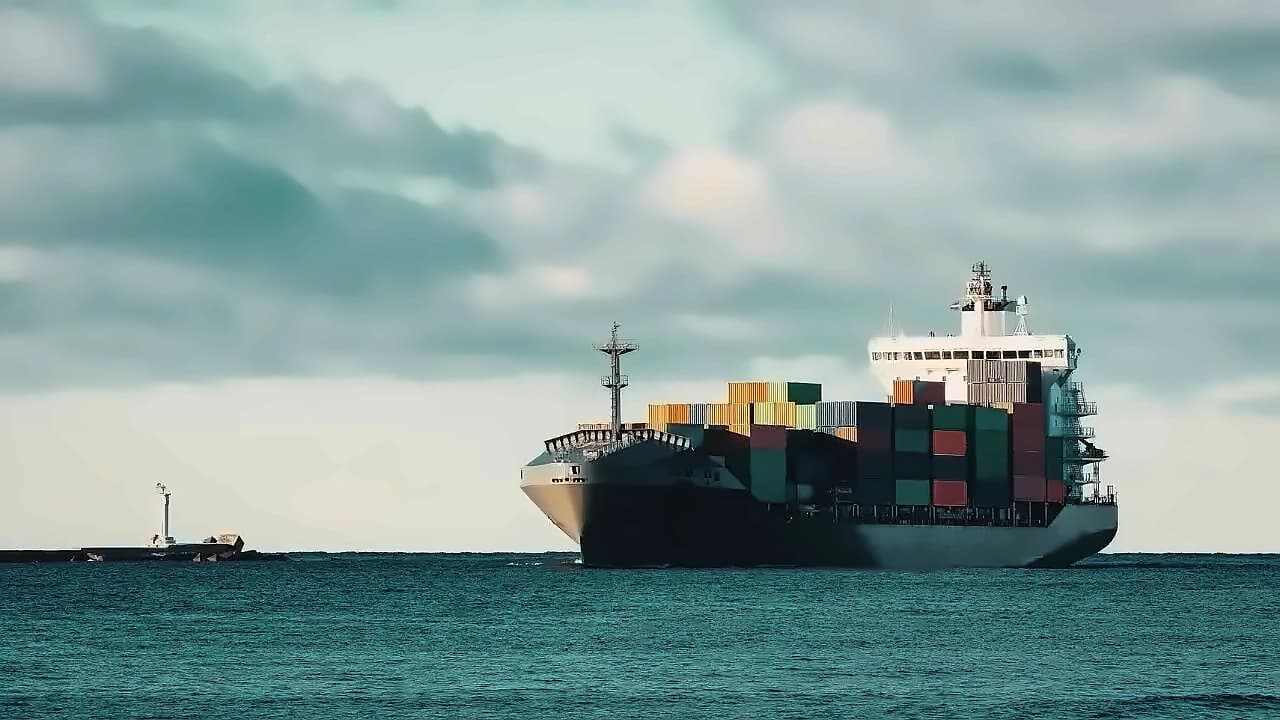
The shipping ministry has shared a list of approximately 40 India-bound priority vessels with the external affairs ministry as reported by The Times of India. With no sight of the Strait of Hormuz opening for commercial traffic in the near future, officials are actively exploring alternative routes. The ministry has suggested evacuating these ships through Oman's territorial waters, which lie south of the Strait of Hormuz, while avoiding Iranian waters to the north. This strategic repositioning becomes increasingly critical as the Strait of Hormuz remains a high-risk gauntlet under Iranian control, with daily ship transits collapsing to a skeletal trickle. Latest UN data confirms that ship transits through the Strait of Hormuz have drastically decreased, with commodity food and European crude oil prices increasing due to the ongoing crisis.
The government has initiated preparatory work for Shipping Corporation of India (SCI) to restart services to West Asia to aid transport of stranded cargo. Mukesh Mangal, additional secretary in the shipping ministry, confirmed that the government is actively working on the possibility of starting this service, though specific timelines for commencement were not provided. At a review meeting chaired by shipping minister Sarbananda Sonowal, commerce ministry officials informed that the inaugural SCI ship can carry 3,000-4,000 containers carrying agricultural and allied cargo to UAE ports. The government's focus on expanding shipping capacity has gained increased attention as external disruptions continue to impact India's maritime trade routes.
Shipping minister Sarbananda Sonowal called for urgent expansion of India's shipping capacity during the review meeting. The government is advancing a roadmap to add 62 vessels in the current financial year, backed by ₹51,383 crore, which will create an additional 2.85 million gross tonnage. The ministry has specifically asked SCI, oil and gas PSUs and newly set up Bharat Container Shipping Line to fast track procurement of ships, with tenders floated for 34 vessels, including 18 ships and tankers. This expansion becomes crucial as the crisis has highlighted India's vulnerability to maritime supply chain disruptions.