The US Senate has delivered a decisive 86-12 vote in favor of the Russia sanctions bill, marking a significant milestone in the legislative process. As reported by Goodreturns, the legislation, authored by the late Republican Senator Lindsey Graham, cleared its first hurdle with overwhelming bipartisan support. The vote came shortly after his funeral in Washington, DC, attended by Ukrainian President Volodymyr Zelensky, adding symbolic significance to the Senate's decision. The bill now moves to additional legislative stages before reaching President Donald Trump's desk for final approval, though it has not yet become law. President Trump has reportedly expressed support for the proposal after seeking the inclusion of provisions linked to sanctions on Iran, broadening the scope of the legislation beyond Russia alone.
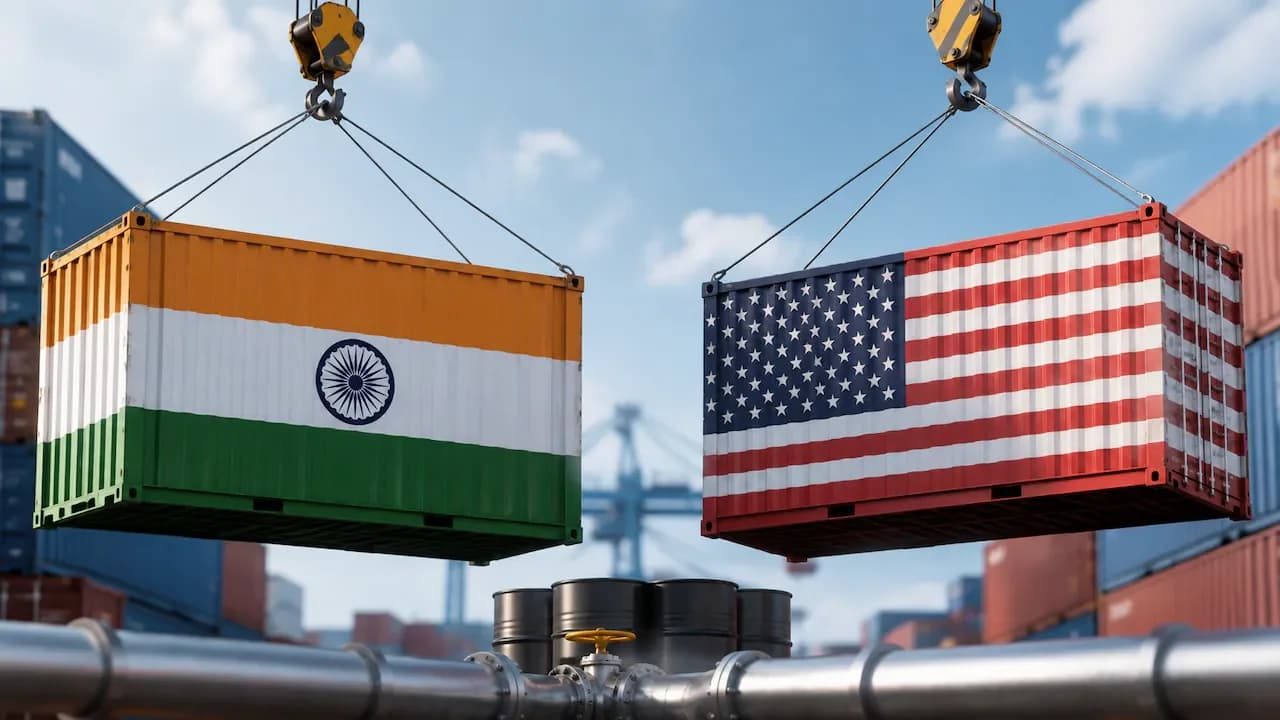
The new legislation introduces significantly higher tariff rates than previously reported, with the bill allowing President Trump to impose 500% tariffs on Russian goods imported into the US and an additional 100% tariff on the world's five largest buyers of Russian crude oil and natural gas. As reported by Business Standard, the legislation allows the President to impose targeted tariffs on imported goods from countries that buy the vast majority of Russian oil or gas, and enable Russian sanctions evasion. Section 113 specifically targets the five countries that purchase the largest volumes of Russian fuel or facilitate sanctions evasion through shadow fleets, threatening them with additional 100 per cent tariffs. The revised bill also extends existing sanctions authority aimed at restricting funding for Iran's energy and weapons sectors, which was added at Trump's request. Additionally, a legislative provision limits the new tariff authority to a five-year sunset period, ensuring the powers do not become a permanent fixture of US trade policy without further renewal. Despite broad support for punishing Russia, some Democrats have raised concerns that the tariff provisions hand Trump excessive power and could raise import costs for American consumers or hit European allies.
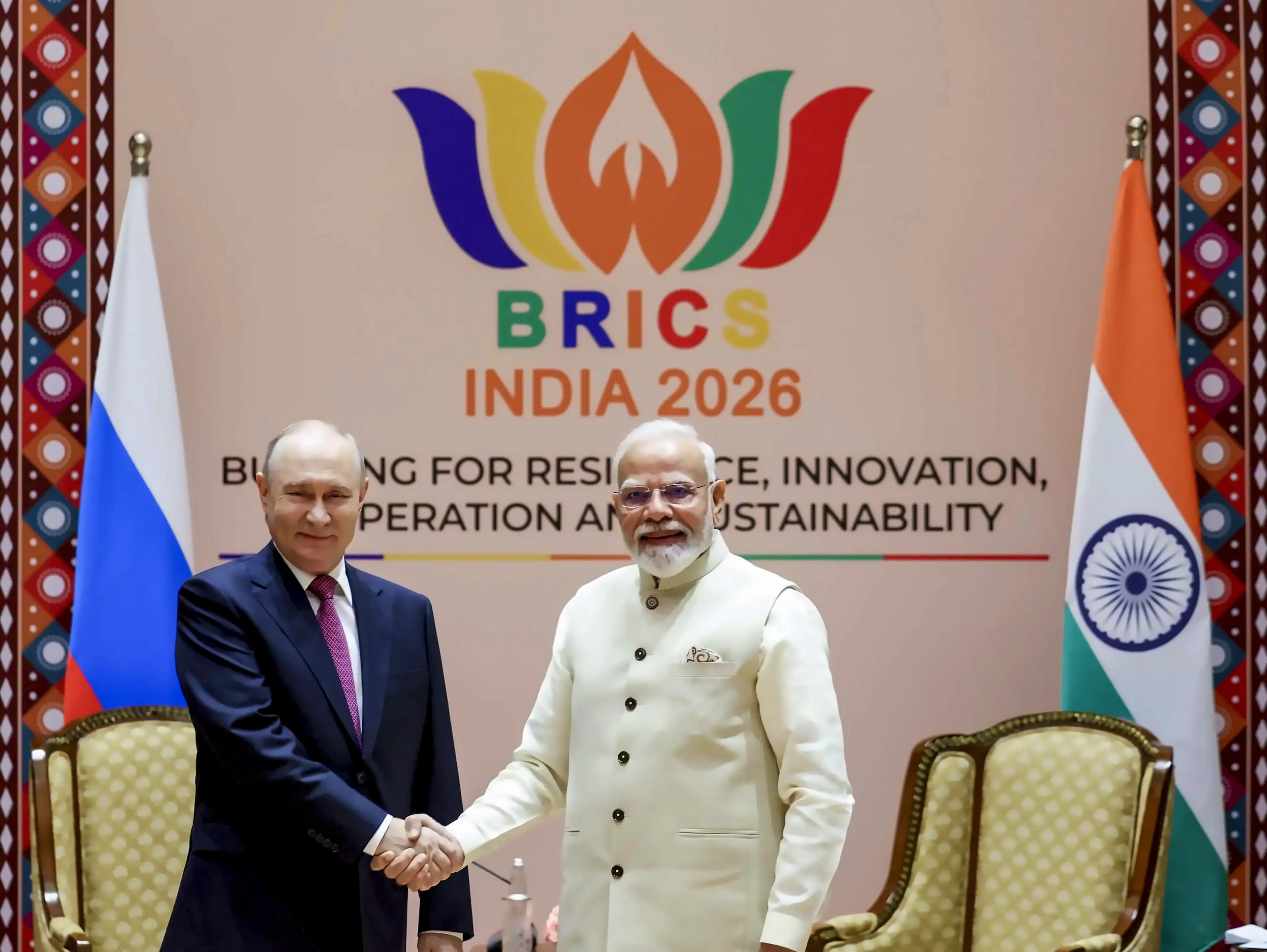
India faces particular exposure due to its emergence as the second-largest buyer of Russian crude oil after China. According to commodities data firm Kpler, India imported a record 2.7 million barrels per day (bpd) of Russian crude in June and 2.2 million bpd during the first three weeks of July, accounting for more than half of the country's total crude imports. As reported by The Times of India, Russia accounted for 30.3% of India's crude oil imports in FY2026, supplying oil worth $40.8 billion out of the country's total crude imports of $134.7 billion, making it India's largest crude supplier. The think tank GTRI notes that Russia supplied 30.3% of India's crude oil imports in FY26 worth USD 40.8 billion out of total crude imports of USD 134.7 billion, making it India's largest oil supplier. Under the proposed legislation, countries that continue importing Russian energy could face US tariffs of up to 100% on goods exported to the American market, though the bill gives the US President discretionary powers to decide whether tariffs should be imposed, delayed, waived or modified depending on diplomatic negotiations and broader foreign policy considerations.
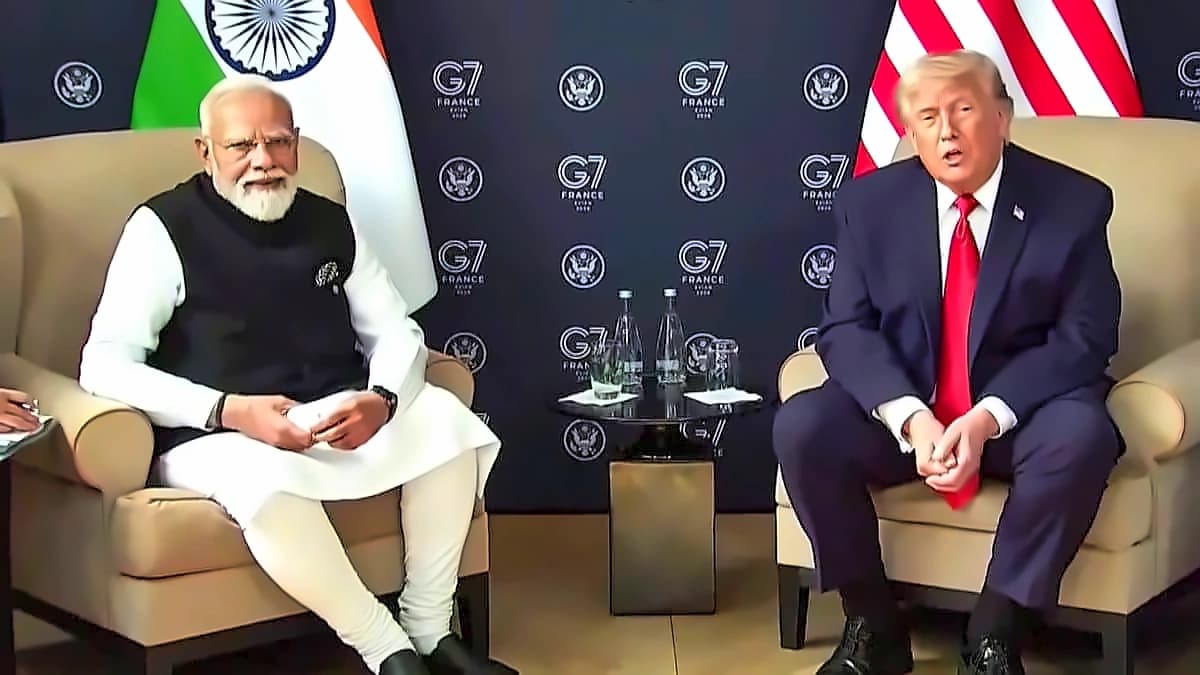
India faces a critical economic dilemma with two primary options under the proposed legislation. According to analysis by The Financial Express, the first option involves stopping Russian crude purchases entirely, which would add ₹700 crore ($8.5 billion) to India's import bill due to the $10-$15 discount Russian crude typically commands over Brent. The second option involves absorbing the 100% US tariff, which could reduce India's $87.3 billion exports to the US by 39% or $34 billion. As reported by The Financial Express, India's exports to the US were valued at $87.3 billion in FY26, down from $92.6 billion in FY25, with the effective tariff rate increasing from 2.5% to 15% between the two fiscal years. The analysis suggests that while both options carry significant economic costs, the tariff absorption scenario may be more manageable than complete cessation of Russian oil purchases, particularly given India's energy security needs and the potential for oil price volatility in the West Asia region.
India has taken a measured approach to the proposed US legislation, with officials emphasizing national energy security priorities. External affairs ministry spokesperson Randhir Jaiswal stated on Friday that India was closely monitoring the situation, responding to the US Senate's 86-12 vote approval. As reported by Business Standard, Jaiswal clarified that "On energy security, our position has been clarified and very well articulated on several occasions. It is something which is predicated on our national priorities and on securing the energy needs of our 1.4 billion people through diversified sources, which includes the US." He added that "We remain engaged with relevant stakeholders in the US at various levels on this particular matter." The bill now moves to the House of Representatives for deliberation, where it faces continued opposition from both parties due to concerns over the tariff provisions. Apart from China and India, the other top purchasers of Russian oil are Slovakia, Hungary and Azerbaijan, according to the legislation, with the US Trade Representative required to reassess the top five purchasers every 180 days to adjust tariff rates based on changes in purchasing behavior.