A bipartisan group of US Senators has challenged President Trump's decision to allow Russian diesel imports, arguing it violates existing congressional restrictions. Senators Jeanne Shaheen, Richard Blumenthal, Ron Wyden (all Democrats), Susan Collins, Lisa Murkowski, Thom Tillis, and John Curtis (all Republicans) issued a joint statement questioning the legality of the deal. According to the senators, 'Congress explicitly banned Russian energy imports in 2022 to prevent American dollars from financing Putin's brutal war against Ukraine.' They emphasized that 'President Trump's decision to allow Russian diesel imports to the US runs directly counter to that law,' as reported by Business Standard. The senators also criticized the Trump Administration's failure to consult with Congress or submit any explanation to justify its decision as required by statute.
The US Treasury's Office of Foreign Assets Control (OFAC) issued a temporary general license on Friday authorizing Russian diesel sales until April 7, 2027, following President Trump's call with Vladimir Putin. According to the Treasury Department statement, 'all transactions prohibited by the Russian Harmful Foreign Activities Sanctions Regulations ... that are related to the sale, delivery, offloading, or importation, including importation into the United States, of diesel fuel of Russian Federation origin are authorized through 12:1 am eastern daylight time, April 7, 2027.' This action allows for immediate supply of Russian diesel to global markets despite existing US restrictions on trade with Russia. The Kremlin confirmed Russia's readiness to supply oil and petroleum products to the US and world markets, as reported by multiple sources. Deputy Prime Minister Alexander Novak indicated that monthly volumes could eventually reach 3 million tonnes, as reported by NDTV Profit.

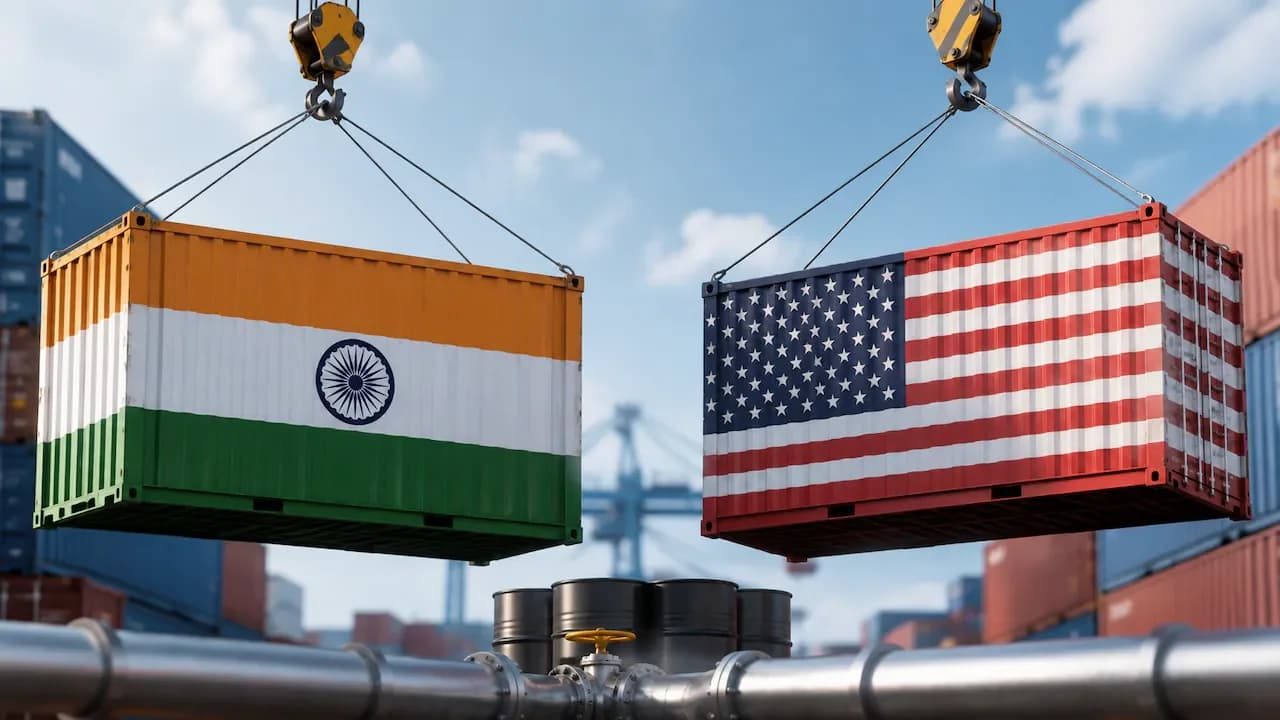
President Trump announced that Russia has agreed to ship 4.8 million tons of diesel to US and global buyers following the Trump-Putin call. The shipment schedule includes over 300,000 tons immediately, 500,000 tons in November, and 1 million tons thereafter. Russia will then deliver another 3 million tons of diesel based on the condition of Russia's refineries, as reported on Truth Social. The total volume equivalent to roughly 36 million barrels comes as diesel prices have surged globally due to Ukraine's attacks on Russian refineries, forcing Moscow to ban diesel exports. By rough conversion, 3 million tonnes a month is about 22 million barrels, or under 1 million barrels a day. The US alone uses about 3.6 million barrels of diesel a day, with the first tranche covering roughly half a day of American demand. For major importers such as India, legitimised Russian supply could change the competitive picture in diesel exports, depending on how the license is applied.
The senators' opposition comes weeks after the US Congress overwhelmingly passed the Sanctioning Russia and Iran Act, which empowers the President to impose sweeping sanctions on Moscow and 100 percent tariffs on its top five trading partners in oil and gas, including India and China. As reported by Business Standard, the senators noted that 'Congress was clear the US should not import oil from Russia until it ends its aggression against Ukraine and ceases threats against our NATO Allies.' They emphasized that 'The United States should not provide Putin with a financial lifeline while Russia continues to kill Ukrainian civilians. The Administration must immediately reverse course.' The senators' statement highlights the tension between Trump's energy policy objectives and congressional restrictions designed to maintain pressure on Russia over its military actions in Ukraine.
Oil traders reacted quickly to the announcement, with US crude falling about 1% within minutes of the post before recovering roughly half the drop, according to TradingView data. Brent followed a similar pattern. Futures may react first, as traders price in extra supply and a lower risk premium, though physical tightness will ease only when cargoes move. The diesel pledge comes as the war in Iran continues to disrupt global energy markets and follows the Group of Seven's agreement to release 100 million barrels from emergency reserves earlier this week. The move reverses course from three weeks ago when Trump signed legislation authorising fresh sanctions and tariffs on buyers of Russian oil and gas. The dramatic shift in US policy toward Moscow represents a significant development in Washington's approach to managing fuel prices while maintaining pressure on Russia over its military actions in Ukraine. The urgency has grown as winter nears and strikes on civilian targets continue.