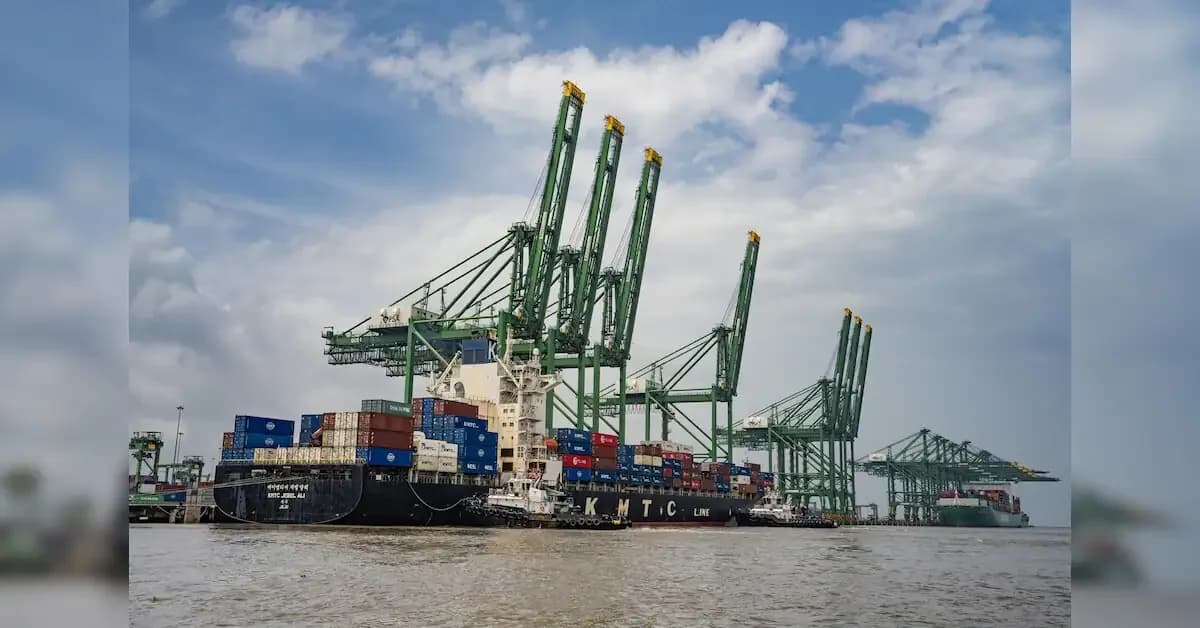
Cross-border trade between India and China through Shipki La, the ancient silk route connecting India with Tibet, resumed on Saturday after a gap of six years. According to reports from The Times of India, Revenue and Horticulture Minister Jagat Singh Negi flagged off 16 traders on Saturday after presenting them with traditional Khataks (ceremonial scarves) before they departed for Shipki village in Tibet. The minister participated in the official ceremony marking the reopening of the cross-border trade. In the first batch, 16 Indian traders will cross into the Tibet Autonomous Region of China to begin trading activities. The trade season will now continue until November 30, with the original June 1 reopening date delayed due to security concerns and inadequate infrastructure at the trading post. Bhim Singh Negi, Tehsildar Pooh and Indian Trade Officer, confirmed that traders will transport their goods by vehicles up to the India-China border, after which the goods would be carried on mules to a designated trading point located around two kilometres inside the Tibetan region, where traders from both sides exchange goods. Indian traders would have to return back to Kinnaur within 72 hours period.
Minister Negi inaugurated a modern trade mart (Chhuppan Trade Mart) constructed in the Shipki La area in the border Gram Panchayat of Namgya in Himachal's Kinnaur district at a cost of ₹1.70 crore to facilitate border trade. As reported by The Times of India, the facility is designed to support the resumption of cross-border commerce through this ancient trade route. Security arrangements at Shipki La will be jointly supervised by the Indo-Tibetan Border Police (ITBP) and Himachal Pradesh Police, with the Customs Department deploying personnel at the Shipki La customs station and issuing guidelines on permitted goods. All consignments entering and leaving the country will undergo mandatory inspection. The Kinnaur district administration received 88 applications from traders, of which 53 have been approved by the state home department after verification of antecedents. The Chhuppan Trade Mart will serve as a central facility for registration and customs formalities, expected to serve traders from upper Kinnaur before they cross the border.
According to the Directorate General of Foreign Trade (DGFT), India has approved the export of 36 categories of goods to China, while 20 categories of goods can be imported from China. As reported by The Times of India, Indian traders have been permitted to export around 36 categories of goods, including dried fruits, spices, handicrafts, herbs, fresh and processed fruits and vegetables, cereals, tea, coffee, blankets, footwear, readymade garments, stationery, tobacco products, canned food and copper utensils. Chinese traders, meanwhile, can export 20 items, including pashmina, wool, yak hair, sheepskins, goat skins, china clay, butter, silk, carpets, traditional medicinal herbs, salt and borax. The import list includes 20 items such as wool, pashmina, sheep skin, yak tails, yak hair, salt, shoes, blankets, quilts, carpets and herbal medicines. The export list comprises 36 items, including coffee, tea, barley, rice, wheat, flour, dry fruits, tobacco, cigarettes, canned food, spices, watches, utensils, handloom and handicraft products. The minister responded to the Traders' Association's request to expand the scope of import-export goods, stating that the proposal would be placed before Chief Minister Thakur Sukhvinder Singh Sukhu so that it could be conveyed to the Chinese government through the Ministry of External Affairs, following necessary procedures. However, trade in live animals such as horses, goats and sheep will not begin this season due to the absence of a quarantine centre in Kinnaur.
Minister Negi emphasized that the resumption of trade through the Shipki La route would strengthen the economy of border areas, create employment and self-employment opportunities for local youth, and boost commercial activity in the region. As reported by The Times of India, the minister urged local traders to strictly adhere to the import-export regulations prescribed by the Union Ministry of Commerce to ensure transparency and compliance with the rules. Trade through the Shipki La route had remained suspended since 2020 following the COVID-19 pandemic and military tensions along the India-China border. The Himachal Pradesh government has also sent a proposal to the central government for opening the Kailash Mansarovar Yatra route through Shipki-La from Kinnaur. The Indo-China Trade Association of Kinnaur has consistently urged both the Himachal Pradesh government and the Centre to restore the route, saying its revival will provide a significant economic boost to traders and residents of the border region.