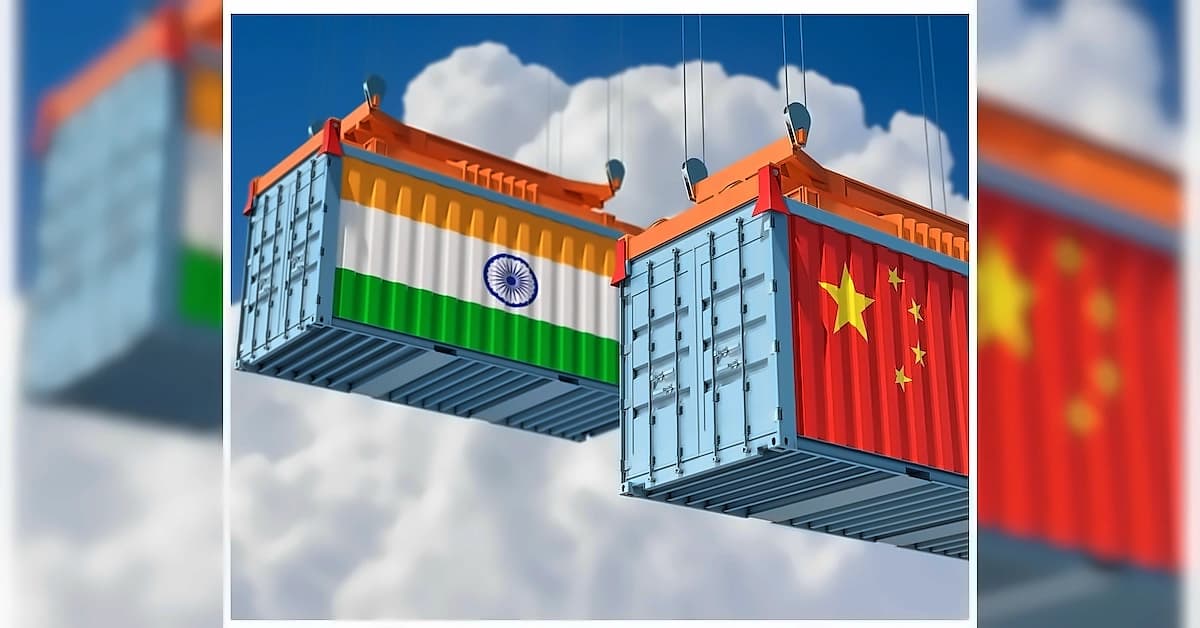
According to the Confederation of All India Traders (CAIT), India's rakhi trade could reach nearly ₹25,000 crore this year, with the broader festive market, including sweets, dry fruits, gifts, apparel and electronics, potentially crossing ₹30,000 crore. Delhi is expected to contribute around ₹4,000 crore to the festive business as shoppers head to markets ahead of Raksha Bandhan on August 28. The figures come as markets across Delhi, including Chandni Chowk, Sadar Bazaar, Karol Bagh, Lajpat Nagar, Kamla Nagar, Rajouri Garden, Gandhi Nagar, Khari Baoli and Laxmi Nagar, see a rush of shoppers. As per PTI reports, the shift towards swadeshi and locally produced products is being driven by changing consumer sentiment following the 2020 Galwan Valley clash.
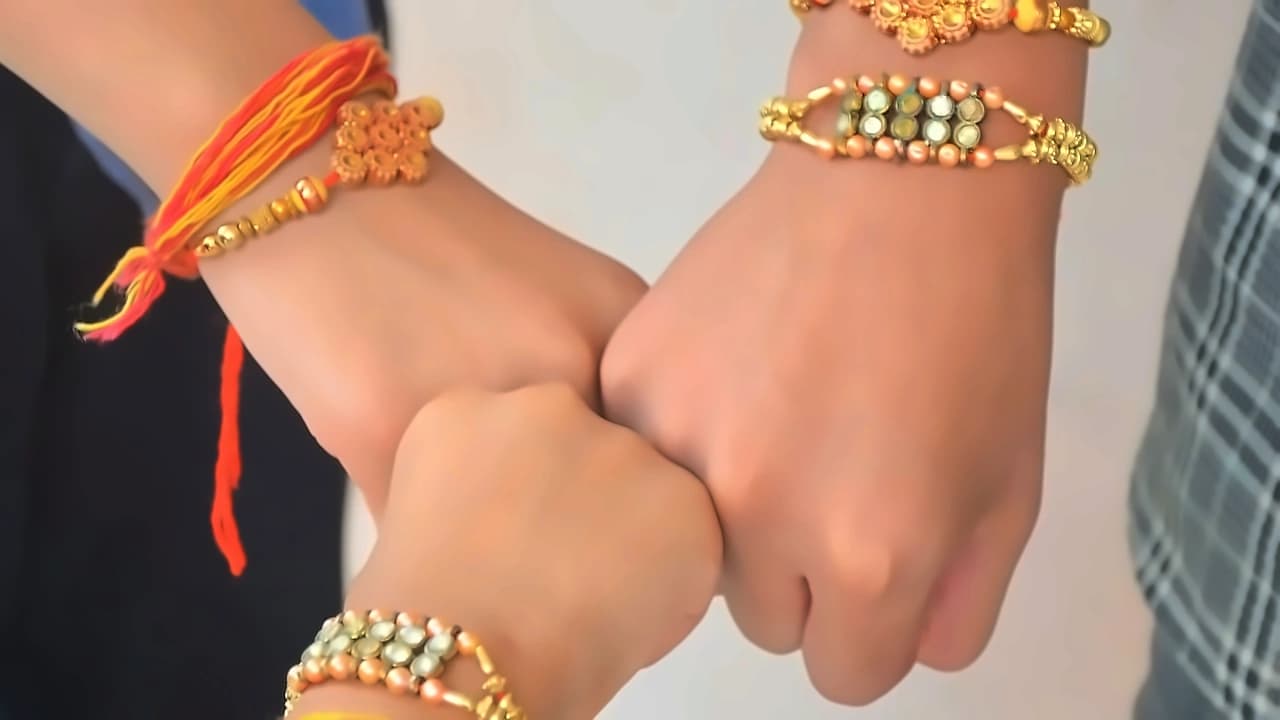
Trading hubs across Delhi are experiencing increased activity as the festive season approaches. Key trading areas including Chandni Chowk, Sadar Bazaar, Karol Bagh, Lajpat Nagar, Kamla Nagar, Rajouri Garden, Gandhi Nagar, Khari Baoli and Laxmi Nagar are seeing heightened business activity. At a demonstration in Chandni Chowk, women entrepreneurs showcased the process of making handmade rakhis using threads, beads and decorative elements. The political themes, however, were only one part of a market increasingly being populated by handmade and locally produced rakhis.
The rakhi market has expanded beyond conventional designs to include themes such as Viksit Bharat, Nari Vandan, Atmanirbhar Bharat, Lakhpati Didi, Amrit Kaal, BrahMos and Rashtra Raksha Sutra. Regional craftsmanship is adding another dimension with Khadi rakhis from Nagpur, Sanganeri designs from Jaipur, seed rakhis from Pune, tea-leaf rakhis from Assam, jute rakhis from Kolkata, bamboo rakhis and Madhubani art rakhis from Bihar being sold. The market has also moved away from Chinese-made rakhis, which have been largely absent for the past two to three years. As per CAIT national secretary general Praveen Khandelwal, today, a swadeshi rakhi is not merely a sacred thread of protection. It has become a powerful symbol of Viksit Bharat, Atmanirbhar Bharat, women's empowerment and national pride.
According to PTI reports, a rakhi takes about two to four minutes to assemble, with production costs around ₹3 to ₹4 per piece and supply prices of ₹6 to ₹7. Retail prices can reach ₹10 or more depending on the design. Sarita Kumar, a Haiderpur resident who has been making rakhis for three years, works with around 25 women who divide the manufacturing process among members, with different women handling threads, beads and decorative components. The women said their products were being supplied to Delhi's markets, and if orders came in, to buyers in neighbouring states. For the women making them, the appeal is less ideological than economic, with one explaining that the group buys raw material from Sadar Bazaar and sells to markets for around ₹6 to ₹7.
CAIT national secretary general Praveen Khandelwal noted that consumer preference has shifted towards locally produced and swadeshi products, with stronger demand for theme-based rakhis among younger buyers. The seasonal business provides an additional source of household income for many artisans, with the trend giving women entrepreneurs, artisans, and self-help groups a larger role in this year's festive economy. The shift towards locally made rakhis has also altered the sourcing of a product that was once commonly associated with Chinese imports. The artisans said the market had seen virtually no Chinese rakhis for the past two to three years, including last year and this season. Khandelwal added that the demand for theme-based rakhis was particularly visible among younger consumers, while Nari Vandan and Lakhpati Didi rakhis were attracting women buyers. The growing preference for domestic products has also reduced the presence of Chinese-made rakhis in the market, traders said.