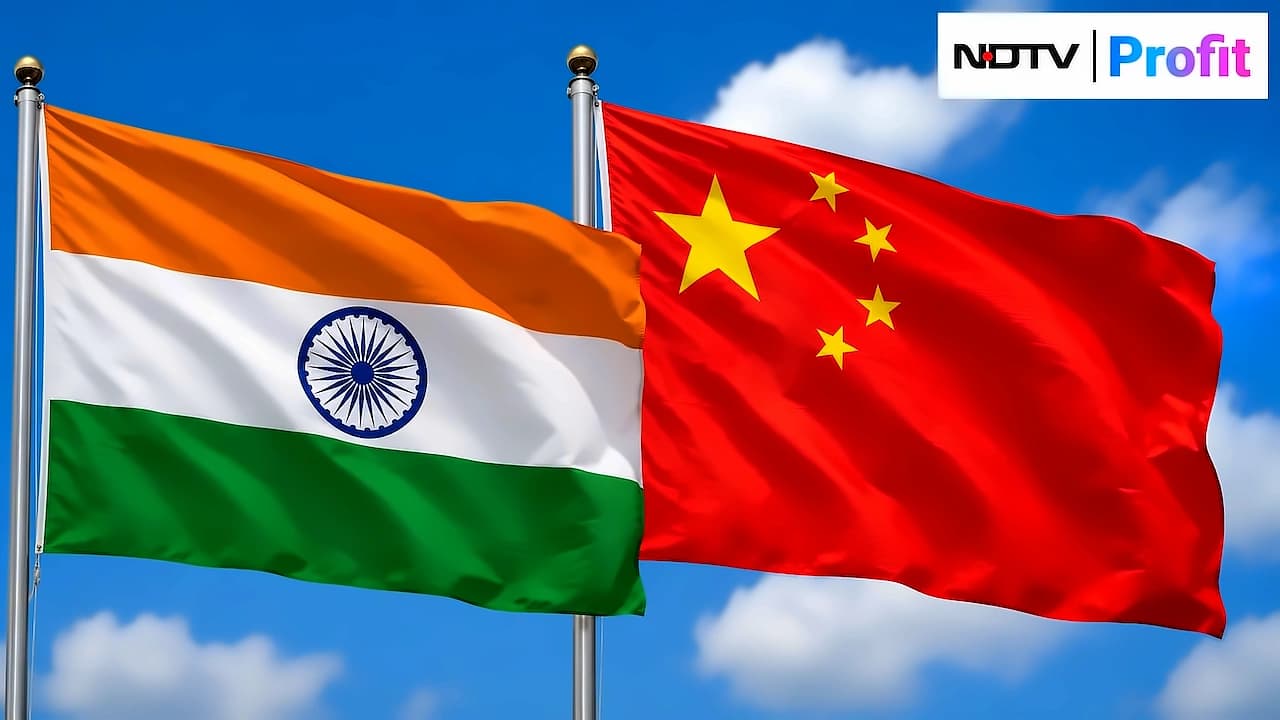
India and China have resumed border trade through two historic passes on August 1, 2026, ending a six-year suspension since the Covid-19 pandemic began in 2020. The reopening of the Silk Route corridor is being seen as a significant confidence-building measure between the two countries as they work towards stabilising bilateral ties. According to reports from NDTV Profit, the move marks another step towards normalising ties between the two neighbours through the historic Silk Route, particularly benefiting traders and border communities in Sikkim and Uttarakhand who have been affected by the prolonged closure.
At East Sikkim's Nathu La Pass, the trade corridor became operational again on August 1, 2026, connecting India's Sherathang Trade Mart with China's Rinchengang trade mart in Tibet. The seasonal trade window generally operates for around six months, from May to November, with activities conducted under strict regulations. As reported by NDTV Profit, traders are allowed to operate from Monday to Thursday, with daily trade limits and a government-approved list of commodities. India has identified several items for export, including traditional products such as wool and yak tails, while approved consumer goods are imported from the Tibetan side. The existing agreement allows India to export 36 goods, ranging from agricultural tools, processed foods, and spices to handloom textiles, garments, utensils, and traditional religious items.
At Uttarakhand's Lipulekh Pass, the Chinese administration in Tibet has granted permission for only 20 Indian traders to visit Purang (Taklakot) for the first phase. The Chinese administration made this decision citing a lack of accommodation facilities and has requested the names of 20 traders from the Indian side for the initial batch. In this phase, the traders will cross the border without any goods to assess arrangements and inspect existing stock left behind in 2019.
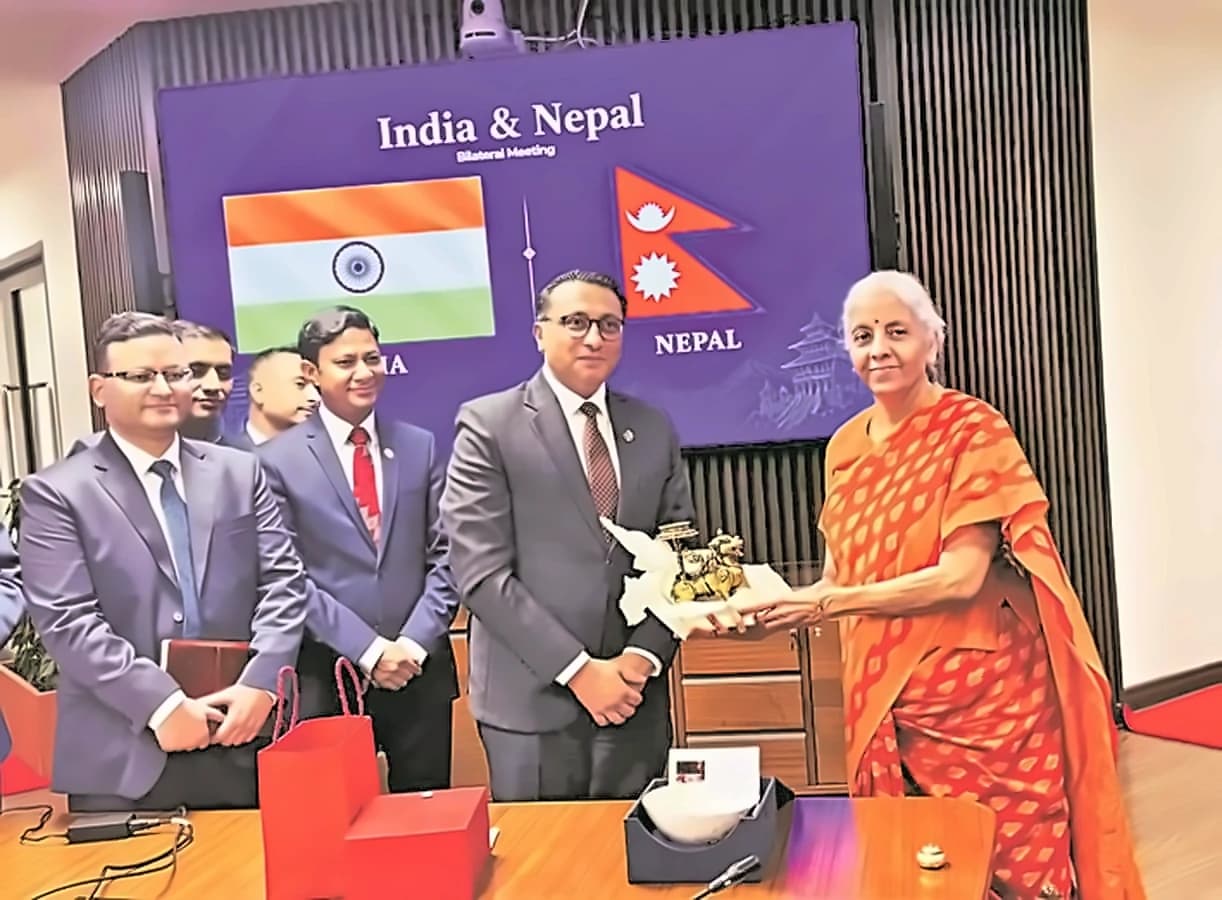
The announcement comes as Foreign Secretary Vikram Misri commenced his official visit to China today with a meeting with H.E. Sun Haiyan, Vice Minister of the International Department of the Central Committee of the Communist Party of China. The duo discussed ways to deepen implementation of the guidance of the leaders for bilateral relations, including addressing issues of priority to both sides and by promoting political, people-to-people, academic and think-tank exchanges. The move follows a series of diplomatic engagements, including recent high-level discussions aimed at restoring limited economic and cultural exchanges.
Border trade via the Old Silk Route at Nathu La had initially resumed on July 6, 2006, amid high expectations of improving bilateral relations and boosting trade between India and China. The corridor connects India's Sherathang Trade Mart in East Sikkim with China's Rinchengang trade mart in Tibet, allowing registered traders to exchange approved locally produced goods under existing bilateral agreements. After suffering damage from harsh Himalayan winters and a prolonged shutdown, the infrastructure at the Nathu La Integrated Check Post has been restored and put back into service. The Silk Road, also known as the Silk Route, was an ancient network of trade routes connecting Asia with the West Asia and Europe, playing a significant role in the movement of culture, ideas, technologies and religions across continents.