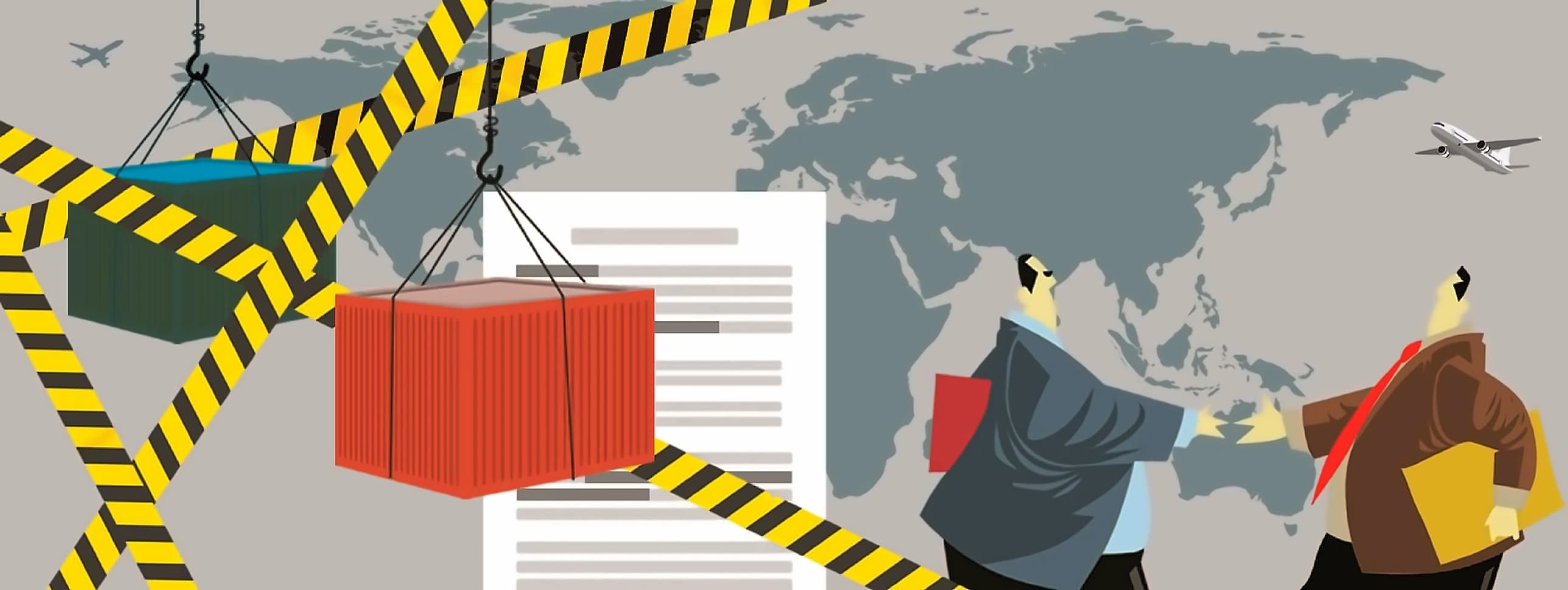
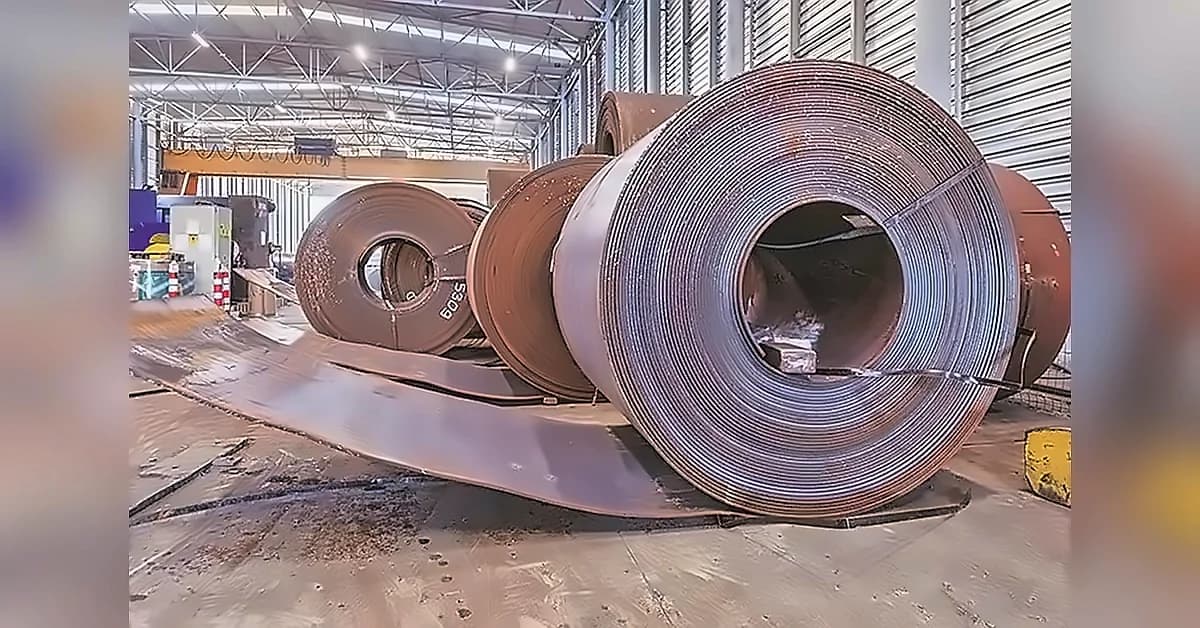
Union Finance Minister Nirmala Sitharaman called for multilateral action to address global steel overcapacity during her address to the World Steel Association's (worldsteel) General Assembly in New Delhi on Monday. According to reports from Business Standard, Sitharaman argued that unilateral tariffs merely redirect surplus steel from one market to another, emphasizing that a lasting correction of global excess capacity requires multilateral disciplines on the subsidies that sustain uneconomic plans supported by transparent data. As per Business Standard, she stated that "Successful unilateral tariffs merely redirect surplus steel from one market to another. A lasting correction of global excess capacity requires multilateral disciplines on the subsidies that sustain uneconomic plans, supported by transparent data."
Sitharaman highlighted India's significant role in global steel demand growth, stating that India has become the single largest source of growth in global steel demand. As reported by Business Standard, she noted that worldsteel opened its Beijing office in 2006 when China accounted for most of the growth in world's steel demand, but on worldsteel's own projections, India is now the largest single source of that growth. She invited worldsteel to consider establishing an office in India, citing India's growing steel market as strengthening the case for greater industry association presence in the country. According to Business Standard, she said "As worldsteel enters its 60th year, I invite the association to consider establishing an office in India."
According to Business Standard, tariffs on steel in some of the largest import markets now reach 50 per cent, while the European Union's Carbon Border Adjustment Mechanism (CBAM) has entered its definitive phase. Sitharaman emphasized that these developments underscored the need for the global steel industry to expand where genuine demand exists, address structural imbalances in capacity, secure its supply chains and reduce emissions. She noted that India's steel capacity expansion is being undertaken in response to rising domestic consumption, with India having no structural excess capacity in the G20 identified sectors. As per Business Standard, she stated that "India has no structural excess capacity in the G20-identified sectors, and its capacity additions are responding to consumption that has outpaced production."
As reported by Business Standard, recently, India and 13 other economies signed a joint statement at the G20 Trade Ministerial in the US, acknowledging that structural excess capacity in sectors such as steel, batteries, chemicals, among others, poses significant challenges for trading partners. The Global Forum on Steel Excess Capacity also agreed on a joint framework calling for greater use of tariffs and fewer subsidies to address overcapacity. At the meeting, structural overcapacity, particularly in steel, was one of four issues flagged by Washington for the ministerial, alongside the weaponisation of food, the most-favoured nation principle, and forced labour in global supply chains. Sitharaman emphasized that such a worldsteel presence would bring the association closer to the fast-growing steel markets in South Asia, South east Asia, West Asia, and Africa.
During her official visit to Bangkok until October 18 to attend the World Bank-IMF annual meetings and G20 and G7 Finance Ministers and Central Bank Governors meetings, FM Sitharaman held bilateral meetings with counterparts from the UK, Switzerland and Japan to discuss strengthening financial and economic cooperation. According to the finance ministry, in her meeting with UK Chancellor John Healey, both sides agreed to hold the next Economic and Financial Dialogue in December 2026, building on the successful conclusion of the fourth India-UK Financial Markets Dialogue. She also discussed the India-EFTA Trade and Economic Partnership Agreement with Swiss Federal Councillor Karin Keller-Sutter and reaffirmed India's commitment to working closely with the UK on shared G20 priorities. During her meeting with Japanese Finance Minister Satsuki Katayama, Sitharaman welcomed Japan's commitment to facilitate JPY 10 trillion in private investment into India and invited Japanese institutions to participate in India's growing long-term savings pool through GIFT City's International Financial Services Centre.