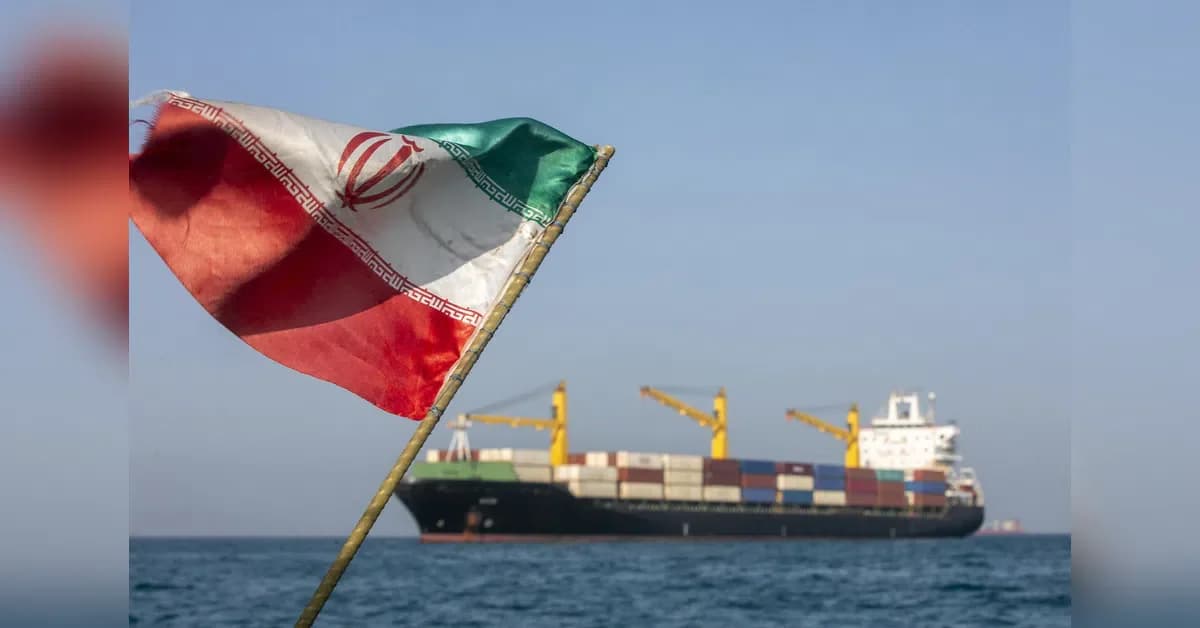
Iran's recent move to control traffic through the Strait of Hormuz has become a litmus test for how far states can monetize global trade routes. According to reports from The Times of India, Indonesia's finance minister floated a proposal in late April 2026 to levy charges on vessels transiting the Strait of Malacca, but the plan was walked back within hours under intense regional and international pressure. This incident highlights how any attempt to commercialise such passages now triggers immediate geopolitical and economic alarm, with the question no longer whether geography determines trade, but how much political control, sanctions and financial leverage can reshape who pays, who profits and who ultimately governs the flow of goods through the world's key trade arteries.
Maritime trade forms the backbone of global commerce, with approximately 80% of international goods moving through sea routes. As reported by The Times of India, the Strait of Hormuz is one of the most crucial maritime chokepoints, connecting the Persian Gulf with the Gulf of Oman and serving as a critical route for global energy supplies. Despite being just 34 kilometres wide, it carries nearly a fifth of the world's oil supply. Other key maritime routes include the Panama Canal, which reduces travel distance by over 8,000 nautical miles and can cut journeys by nearly three weeks, and the Suez Canal, which links Europe and Asia through Egypt. The Strait of Malacca is also among the busiest shipping lanes globally, connecting major Asian economies.
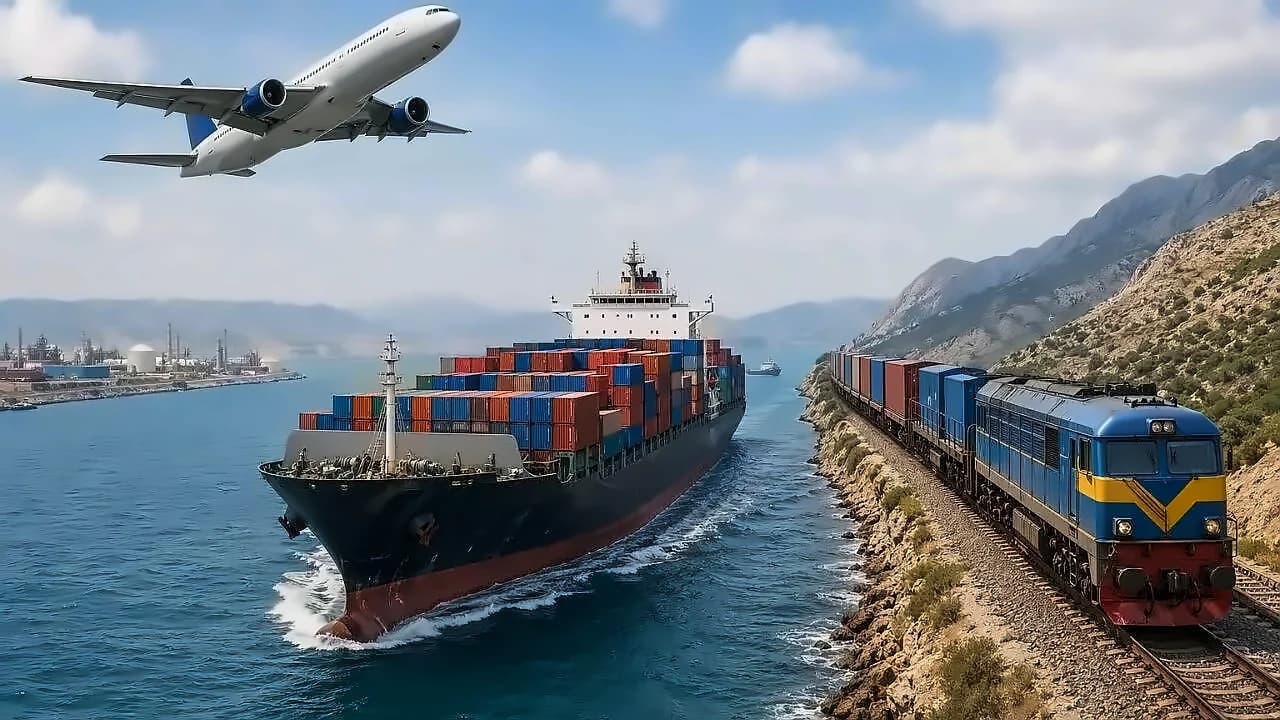
The United Nations Convention on the Law of the Sea (UNCLOS) governs global ocean law, stating that straits used for international navigation must allow free and uninterrupted transit. According to The Times of India, countries bordering such straits cannot impose fees simply for allowing ships to pass through, but are permitted to levy charges only for specific services such as piloting or tug assistance. However, enforcement remains complicated as neither Iran nor the United States has formally ratified UNCLOS, even though both have historically adhered to its principles. The concept of charging for passage exists only in specific contexts, with man-made canals like the Suez and Panama Canals imposing transit fees, while natural straits are generally treated as free passage to ensure smooth global trade.
In aviation, overflight charges are based on established international practices under the Convention on International Civil Aviation, with countries having full sovereignty over airspace above their territory. As reported by The Times of India, recent disruptions in sanctioned airspaces have shown how this system can break down, with Indian carriers forced to take longer routes following the closure of Pakistani airspace, increasing flight times by an hour. Land corridors operate on a more fragmented basis, with costs determined largely through bilateral agreements between neighbouring countries. Unlike air and sea routes, land corridors remain the least standardized, with rules varying significantly from one border to another, creating operational uncertainty for airlines and compliance challenges for intermediaries.
The analysis reveals that global trade no longer moves through a uniform system of rules, but through a layered structure shaped by law, geography and political control. According to The Times of India, while international conventions provide a baseline, enforcement and interpretation vary widely across regions. The result is a trade imbalance that is functional but fragile, efficient in parts but inconsistent as a whole. As global supply chains become more interconnected, even small disruptions in key routes can have disproportionate effects, highlighting the vulnerability of the current fragmented system governing international commerce.