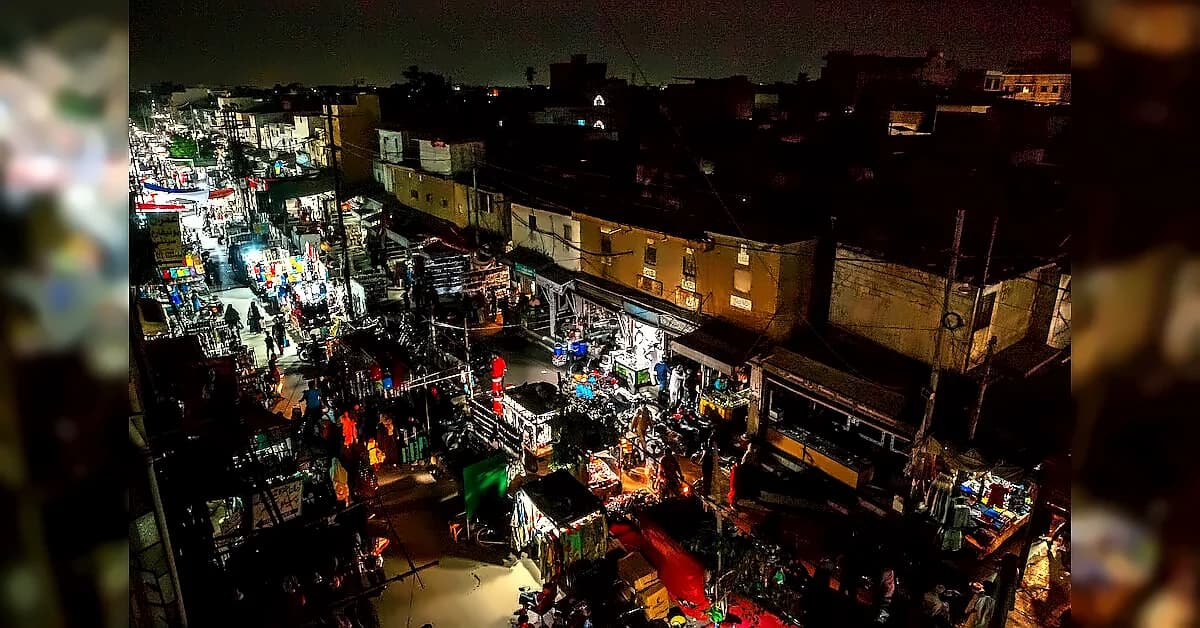
The war in Iran has revealed critical vulnerabilities in Southeast Asia's energy infrastructure, according to an International Energy Agency report released Tuesday. An overreliance on oil and gas transported through the Strait of Hormuz left the region particularly vulnerable to shocks from the Iran war, creating what the IEA describes as a 'stark wake-up call' for energy security. The conflict has sent Southeast Asia into a state of energy triage, leading to higher energy bills and rising inflation across the region. As reported by the IEA, 'This is the first time I've seen a demand shock of this magnitude,' said Ivan Cano with the Manila-based solar company EcoSolutions, highlighting the unprecedented nature of the current crisis.
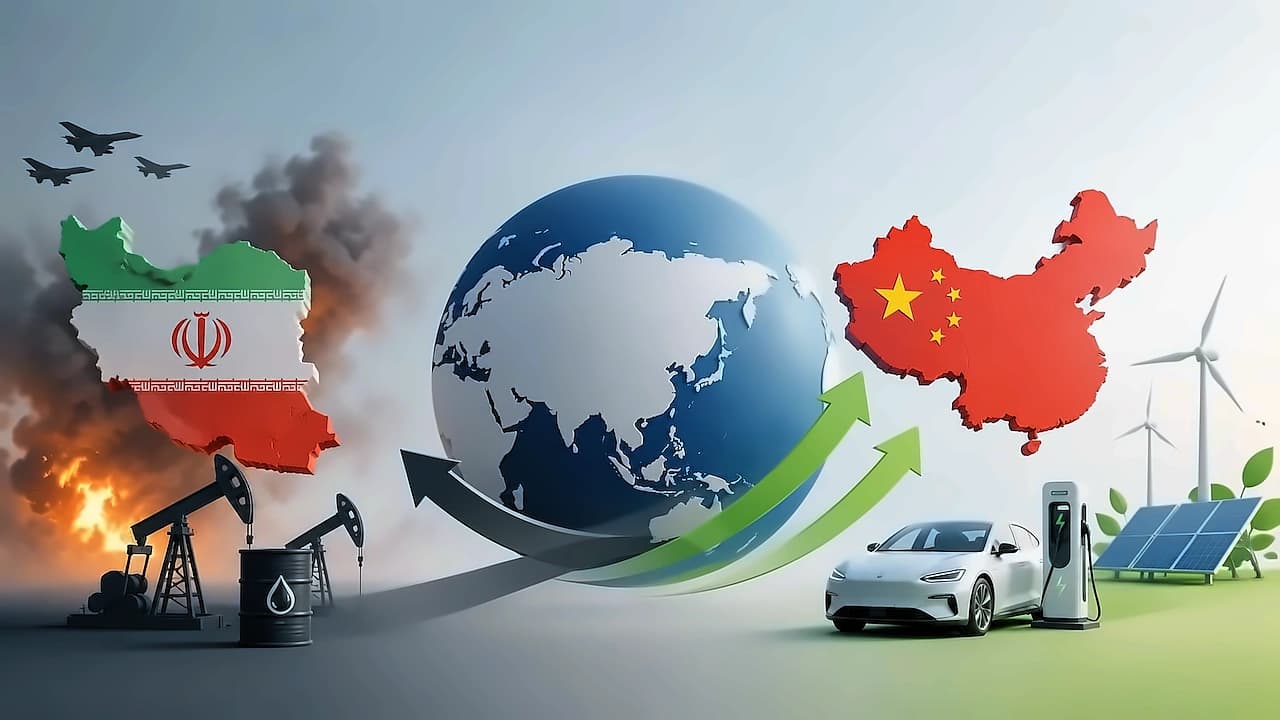
The IEA warns that Southeast Asia's energy import bill could rise to $245 billion by 2035, tripling from $80 billion in 2024. This dramatic increase highlights the urgent need for diversification of energy sources and supply routes. As reported by the IEA, 'Diversification of energy sources and supply routes is now a central priority,' said Fatih Birol, the IEA executive director. The report emphasizes that the Middle East conflict serves as both a stress test of Southeast Asia's current energy system and a catalyst to accelerate structural change. In a likely setback for efforts to phase out dependence on fossil fuels, the conflict has reinforced the need to rely on coal during energy crisis periods.
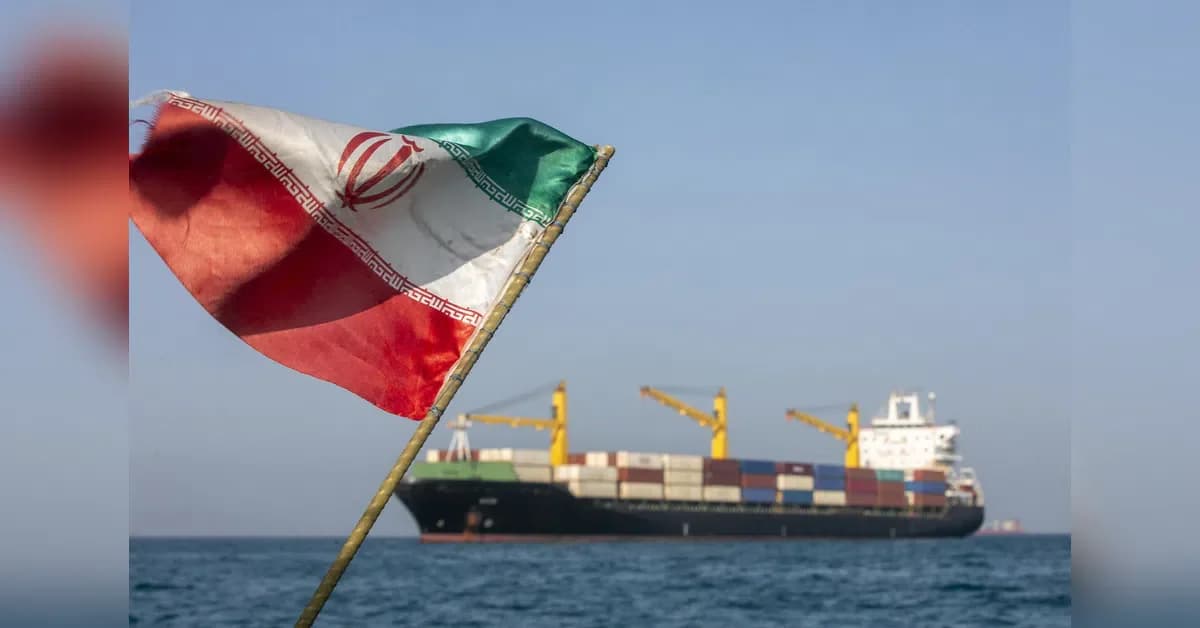
The closure of the Strait of Hormuz has exposed vulnerabilities that extend far beyond energy disruption. Roughly a third of global seaborne crude oil and around 20% of global liquefied natural gas shipments pass through the Strait, creating significant supply chain impacts. Nearly 90% of liquefied natural gas exported through the Strait flows to Asian buyers, with Japan, South Korea, Taiwan, Singapore and Hong Kong all importing more than 80% of their domestic energy needs. A third of global seaborne fertilizer trade passes through the Strait, meaning rising gas prices follow with increased fertilizer costs and food prices. Some Asian exports have faced delays or rerouting, with India's agricultural exports to Gulf markets reportedly slowing as freight and insurance costs spike. The renewed closure of the Strait has intensified concerns about global energy supplies and supply-chain disruptions just days after a peace framework was announced.
To overcome its vulnerabilities, Southeast Asia needs to reduce its overall demand for imported fossil fuels and make national grids more efficient, according to the IEA. The agency suggests boosting investment in all forms of renewable energy, such as solar, wind, hydro and geothermal power. South Korea has imposed its first fuel price cap in nearly three decades, while Japan has begun releasing oil from national reserves. Taiwan has spent over $600 million securing spot LNG cargoes as part of longer-term diversification strategies. Governments from Thailand to Indonesia are introducing fuel subsidies, price caps and demand management measures to cushion populations from the shock. The environment may also contribute to a rise in demand for defense equipment and heightened security investment among regional governments.
As one of the world's leading trade, shipping, commodities finance and bunkering hubs, Singapore faces unique exposure to the Strait of Hormuz disruption. About 95% of Singapore's electricity is generated from imported natural gas, with more than 40% of its LNG supply coming from Qatar last year. Singapore's Energy Market Authority has warned that fuel prices will likely remain elevated in the foreseeable future. Business and market sentiment have declined, with companies across manufacturing, services, transportation and construction pulling back on investment and expansion decisions. However, Singapore's deep institutional relationships, sophisticated legal framework and expertise in trade finance position it to play a stabilizing role for businesses navigating the fragmented global trade environment.