The textile industry in Bangladesh is facing a severe gas shortage that has reduced production capacity to 20-50% of normal levels, compounding the challenges already faced by exporters in the region. According to industry reports, production levels across major gas-reliant industries have plummeted to 20%-50% of capacity, down from around 70% a month ago, with several units shutting down entirely. The crisis has been further exacerbated by severe electricity load-shedding of 10 to 14 hours daily in industrial zones, forcing manufacturers to spend more on diesel and alternative energy sources. As Showkat Aziz Russell, president of the Bangladesh Textile Mills Association, confirmed, orders are shifting away from Bangladesh, with at least one European buyer explicitly citing the gas crisis when transferring order volume. Industry leaders warn that Bangladesh could risk losing up to half its export orders if normal gas supply is not restored swiftly.
The ongoing West Asia crisis has prompted India's textile exporters to fundamentally rethink their operational strategies, moving away from traditional supply chain models toward more resilient approaches. According to industry executives, exporters are moving towards shorter production cycles, demand-led inventory planning, phased order execution and closer coordination between manufacturing, sourcing and logistics to reduce operational risks. As Sanjay Jain, Group Chief Executive Officer of PDS, explained to BW Businessworld, "In fashion, carrying excess fabric or finished goods can quickly affect margins because demand, seasons and product preferences change rapidly." The crisis has accelerated changes that were already underway, with companies shifting toward multi sourcing, distributed inventory and flexible routing backed by real-time visibility to prioritize responsiveness without sacrificing efficiency.
Indian exporters are expressing significant concerns over the impact of the prolonged crisis in West Asia on their operations, with the situation now compounded by Bangladesh's gas shortage affecting regional supply chains. According to reports from The Times of India, exporters are worried about uncertainty of orders, higher logistics costs, liquidity issues and possible disruption of raw material supply chain due to the ongoing regional conflict. The Bangladesh crisis has created additional challenges as foreign buyers are closely monitoring the supply crunch, inquiring whether local suppliers can meet delivery deadlines and some international buyers have already begun scaling back orders or shifting them away from Bangladesh. As Rahul Mehta, Chief Mentor of Clothing Manufacturers Association of India (CMAI), noted, "Inventory management has become much more stricter, much more sharper."
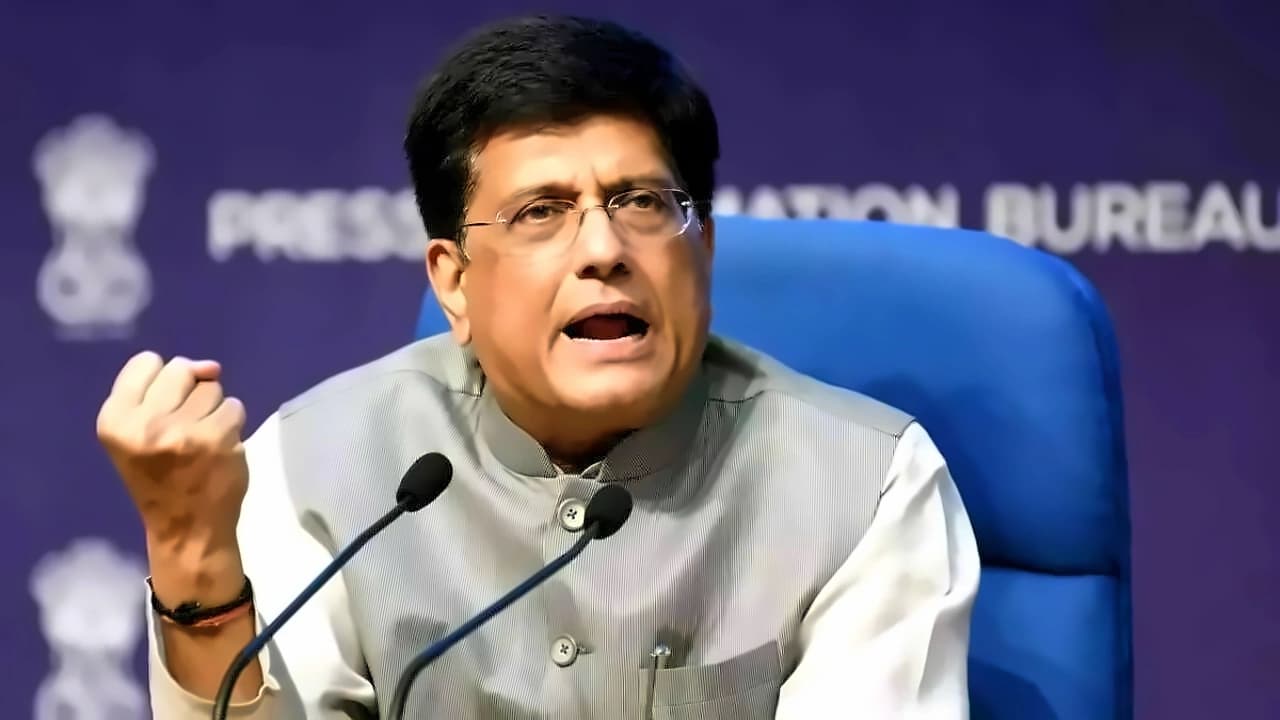
The issue was briefly discussed during a meeting between commerce and industry minister Piyush Goyal and export promotion bodies on Wednesday. During the meeting, Goyal received feedback on the situation and is reported to have backed further support for service exporters, especially hospitality and medical tourism. In March 2026, the Centre introduced the ₹497 crore RELIEF (Resilience and Logistics Intervention for Export Facilitation) scheme to help eligible exporters manage extraordinary freight and insurance costs during such disruptions. The scheme aims to provide financial support to exporters facing challenges from global supply chain disruptions, particularly benefiting MSMEs with limited financial buffers. Bangladesh's government has expressed optimism that gas supply will improve from next week, though industry experts believe a lasting solution remains some way off.
Industry leaders emphasize that achieving India's $100 billion textile export target by 2030 will require addressing long-standing structural challenges beyond immediate crisis management. According to the India Textiles and Apparel CXO Blueprint 2030 report by CMAI and Global Alliance for Textile Sustainability (GATS), India's textile and apparel exports have remained around $40 billion for nearly six years, even as the country targets $100 billion. The report highlights that more than 52% of India's textile exports come from just 134 product categories where India has over 10% global export share, indicating a need for diversification into higher-growth segments. Industry executives argue that execution ultimately hinges on liquidity and access to working capital, with many exporters operating on long working capital cycles of 60-120 days before payment realization.