The leather industry in West Bengal is experiencing significant concerns over raw material availability as strict enforcement of animal slaughter regulations is disrupting hide supplies. According to reports from Business Standard, authorities have intensified checks on cattle transportation, documentation and slaughter practices under the West Bengal Animal Slaughter Control Act 1950. Indian Leather Products Association (ILPA) president Md Azhar told PTI that the raw material shortage could worsen the situation for the industry, which is already facing weak global demand and logistical disruptions. As reported by Business Standard, Azhar noted that the concern extends beyond Eid celebrations, affecting stricter regulations on cattle slaughtering and sale and purchase of cows and buffaloes, which will impact overall hide availability.
The regulatory changes have already impacted traditional religious practices, with Muslim clerics claiming that cow sacrifice during Eid al-Adha celebrations dropped to 'negligible levels' under the stringent regulations. As reported by Business Standard, Azhar noted that the impact is likely to be visible after Eid al-Adha, traditionally a peak season for hide availability, as the community chose to abide by the stringent regulations. Traditionally, after Eid al-Adha, hides are available in abundance because large numbers of cows and buffaloes are slaughtered during the occasion, supporting the tanning industry for months. Cow and buffalo hides are extensively used by Kolkata's leather industry, which processes millions of square feet of leather annually and manufactures export-oriented leather goods.
The Bengal leather industry represents a significant economic sector with an annual turnover of ₹23,000-25,000 crore, including exports worth around ₹10,000 crore, according to stakeholders cited by Business Standard. Cow and buffalo hides are extensively used by Kolkata's leather industry, which processes millions of square feet of leather annually and manufactures export-oriented leather goods. Around 600,000 to 700,000 workers are directly or indirectly dependent on the leather industry in and around Kolkata, making worker livelihoods a key concern. The Hormuz crisis is leading to lower container availability, with demand described as 'weak' by industry sources.
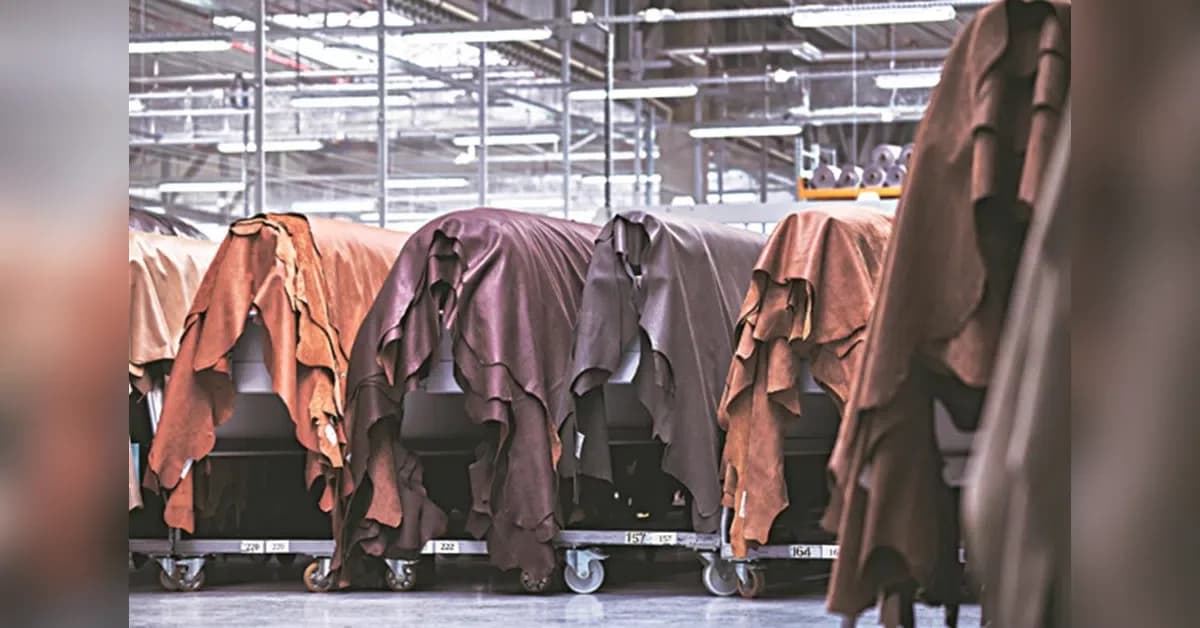
India imports nearly 50% of its hide requirement, and any decline in supply from West Bengal would further increase dependence on overseas raw material shipments. According to Business Standard, Leather Exports Council Chairman Ramesh Kumar Juneja acknowledged that local hide availability will decline but suggested the industry can manage through imports from countries such as New Zealand, Australia and parts of West Asia. He noted that shipments from these routes do not involve the troubled Strait of Hormuz, addressing current freight movement concerns. Juneja emphasized that while there will be some reduction in local hide availability, the situation can be managed through increased imports, with no crisis expected for production capacity.
The leather sector in West Bengal faces multiple headwinds including slowing global demand, rising compliance costs and geopolitical uncertainties impacting freight movement and export orders. As reported by Business Standard, exports from the sector have declined in recent months due to these geopolitical headwinds. Azhar noted that prices of hides will increase, aggravating problems when the sector is already reeling under margin pressure and lower exports due to US tariff imposition, Iran conflict and Strait of Hormuz-related shipping disruptions. The Kolkata leather cluster, centred around the Bantala Leather Complex, is among the country's major processing hubs and exports leather garments, bags, wallets, footwear and saddlery products, but faces ongoing challenges from these multiple pressures.