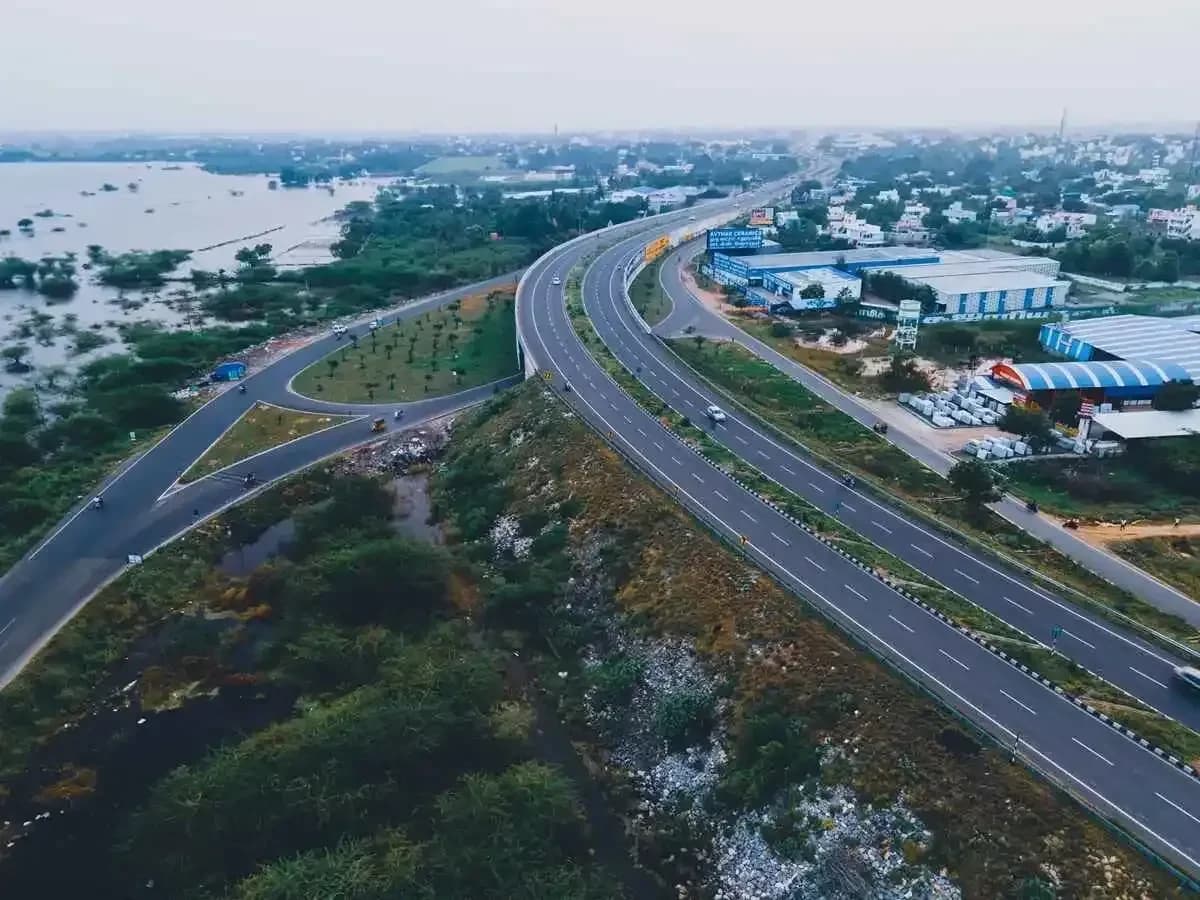
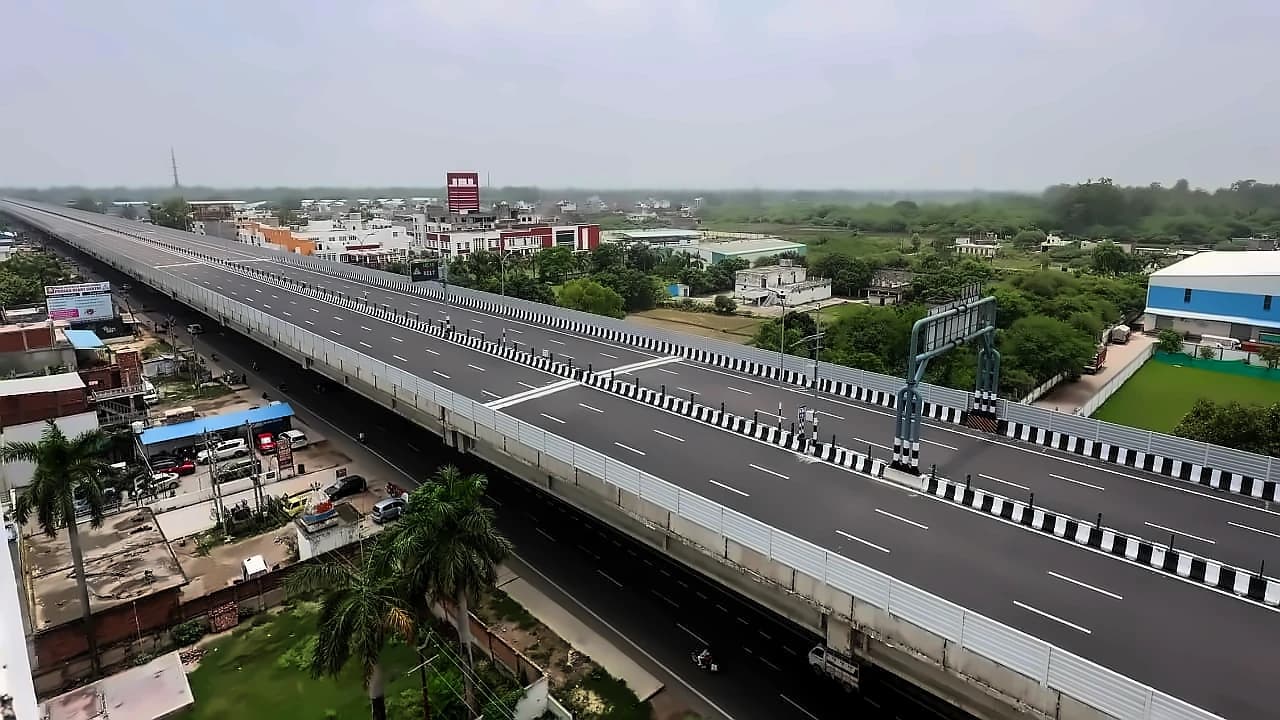
The Rs 10,998 crore Varuna Elevated Corridor has received Union Cabinet approval in July and is being developed by the National Highways Authority of India. According to the Ministry of Road Transport & Highways, the 43.218-km elevated six/four-lane corridor will link NH-31 with the Varanasi Ring Road, providing a high-capacity alternative route through the city to ease congestion on urban roads.
The corridor is designed for speeds of 80-100 kmph and will significantly reduce travel time between key destinations. As reported by the Ministry of Road Transport & Highways, the travel time between NH-31 and Kashi Railway Station will decrease from approximately 40 minutes to nearly 20 minutes. The project will also cut travel time between Varanasi Junction and Lal Bahadur Shastri International Airport from nearly an hour to around 20 minutes.
The corridor will include a main carriageway, flyovers, loops, ramps, service roads, an iconic cable-stayed bridge and an extradosed foot-over-bridge-cum-major bridge. According to the Ministry of Road Transport & Highways, it forms an important part of the Varanasi Decongestion Plan, improving movement between major highways, railway stations, the airport and urban destinations. The project will provide direct access to Varanasi Airport, Varanasi Cantonment, Varanasi City Railway Station, Kashi Railway Station and Deen Dayal Upadhyaya Junction.
The project is expected to support economic activity and enhance regional competitiveness across eastern Uttar Pradesh. As reported by the Ministry of Road Transport & Highways, the corridor will improve access to major religious and tourism destinations including ghats, Kashi Vishwanath Corridor and Kashi Vishwanath Temple. During major festivals and peak pilgrimage periods, the additional road capacity will help distribute traffic efficiently and reduce pressure on key urban corridors.
The project includes Rs 4,565.33 crore towards civil construction and Rs 934.91 crore for land acquisition. According to the Ministry of Road Transport & Highways, the elevated alignment, supported by strategically planned loops, ramps and service roads, will provide a dedicated mobility spine for through and regional traffic. The corridor is expected to improve traffic conditions at major congestion points such as Varanasi Junction, Phulwaria and Chaukaghat, where local, commercial and through traffic currently converge on limited road capacity.