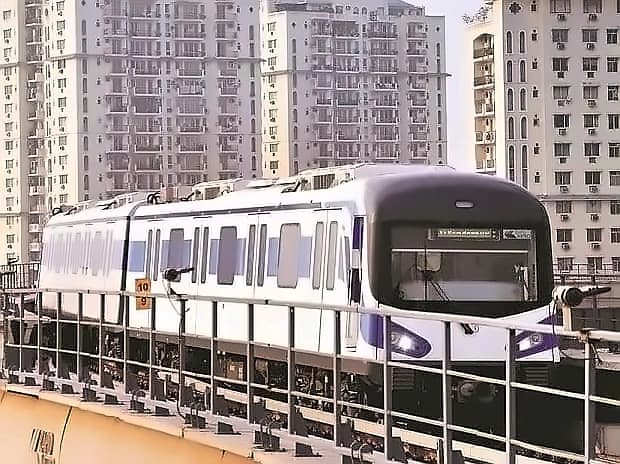
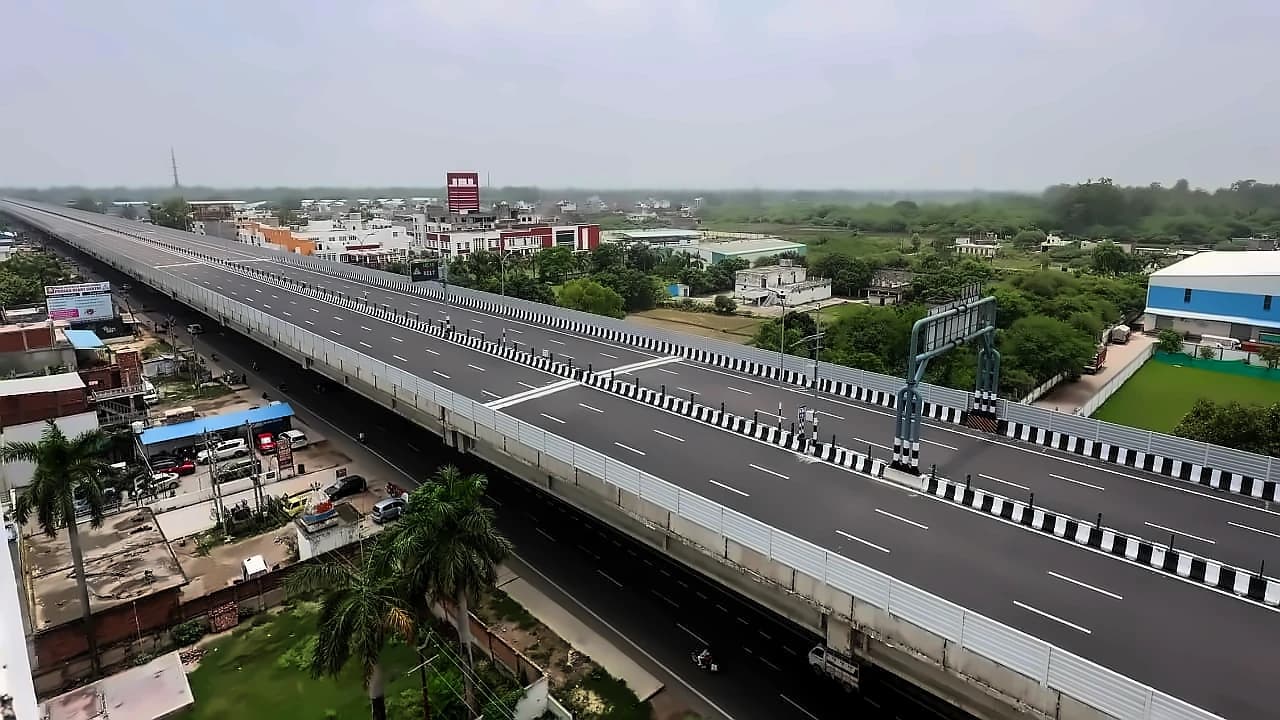
The Cabinet Committee on Economic Affairs has approved the construction of two major elevated corridors in Varanasi, marking a significant infrastructure development for the city. According to reports from The Times of India, ANI, and Business Standard, the projects involve a 43.218-km elevated corridor along the Varuna river and a separate 46.039-km six-lane greenfield elevated corridor along the Ganga river. These projects represent a substantial investment in urban infrastructure development for the holy city, with Union Minister Ashwini Vaishnaw describing them as taking infrastructure development to the next level.
The total capital cost for both projects amounts to ₹25,446 crore, as reported by The Times of India, ANI, and Business Standard. The Varuna river corridor is estimated at ₹10,998.32 crore, while the Ganga river project carries a higher cost of ₹14,447.64 crore. The projects will be implemented under the Hybrid Annuity Model (HAM), where the authority pays the developer 40% of the project cost upfront, while the remaining amount is paid through instalments called annuities with interest. This substantial investment demonstrates the government's commitment to improving connectivity and urban infrastructure in the region.
The approval of these elevated corridors represents a significant step in Varanasi's urban development strategy. According to The Times of India, ANI, and Business Standard, the ₹14,447.64 crore Ganga elevated corridor will provide seamless connectivity between NH-19 and the Varanasi Ring Road, significantly decongesting the city's road network and improving urban mobility. The project is designed for an operating speed of 80-100 km/h and is expected to reduce average travel time from approximately 60 minutes to 20 minutes, representing a 67% reduction. The corridor will connect NH-31 with the Varanasi Ring Road through a predominantly elevated corridor comprising flyovers, ramps, loops, service roads and the main carriageway.
The Ganga elevated corridor will strengthen multimodal connectivity by providing seamless access to major transport hubs including Lal Bahadur Shastri Airport, Kashi Railway Station, Banaras Railway Station, Varanasi City Railway Station, Pt. Deen Dayal Upadhyay Junction, and Ramnagar IWAI Port. As per The Times of India, ANI, and Business Standard, the project will significantly improve connectivity to key religious, educational and cultural landmarks including the Kashi Vishwanath Temple, Banaras Hindu University (BHU), Namo Ghat, Ramnagar Fort and the ghats of Varanasi. With more than 15 crore tourists and pilgrims visiting Varanasi every year, the corridor will substantially reduce congestion on existing city road networks and improve access to key economic and logistics hubs in eastern Uttar Pradesh under the PM Gati Shakti National Master Plan.
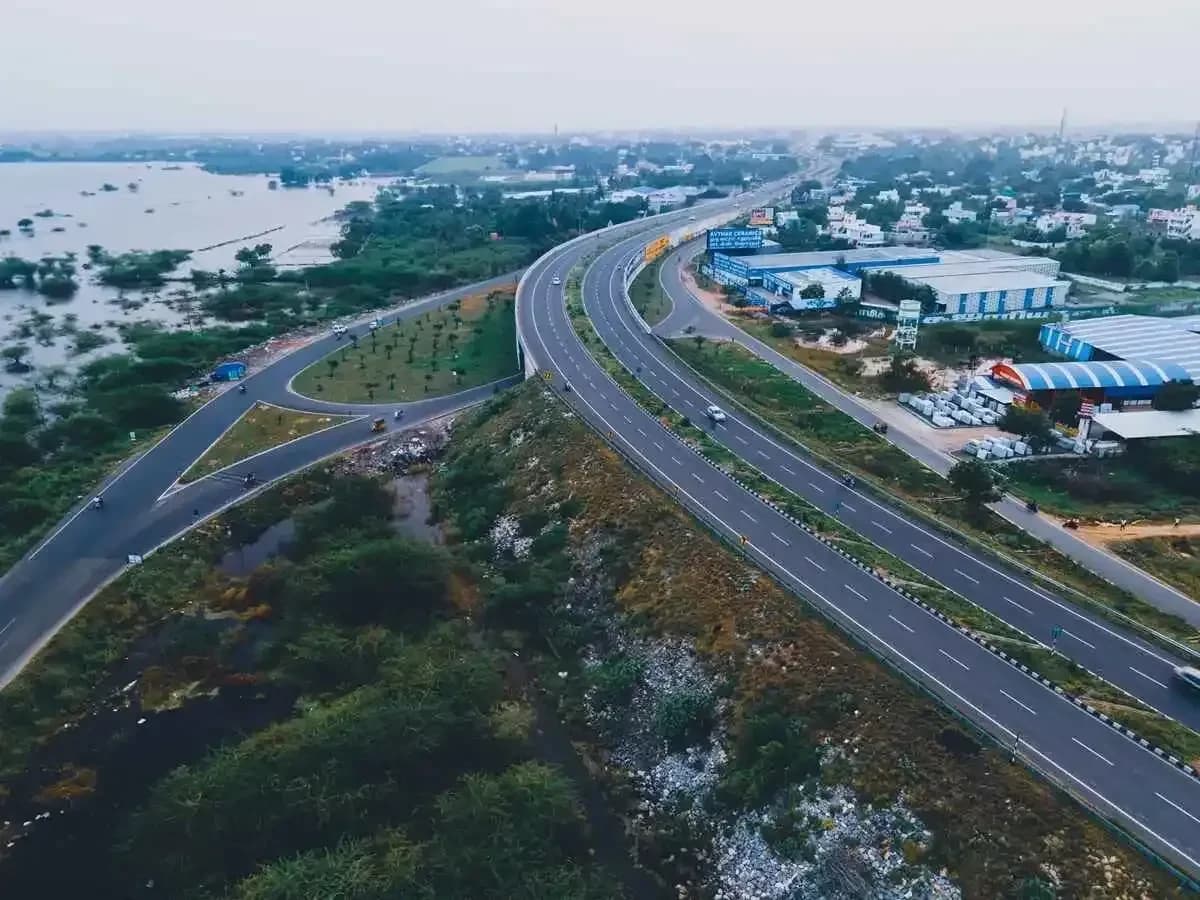
The project incorporates several landmark engineering features including an iconic 910-meter cable-stayed bridge across the Ganga, a 1.32-km extradosed foot-over-bridge-cum-major bridge with travelators providing seamless pedestrian connectivity to the Kashi Vishwanath Temple, and a Rail Over Bridge over the existing/proposed Malviya Bridge. The 46.039-km project will be implemented under the Hybrid Annuity Model (HAM) with a civil construction cost of ₹6,037.85 crore and land acquisition cost of ₹541.11 crore under NH(O). The 43-km Varuna corridor comprises a predominantly elevated six/four-lane carriageway, including the main carriageway, flyovers, loops, ramps and service roads, with civil construction costs of ₹4,565.33 crore and land acquisition costs of ₹934.91 crore.