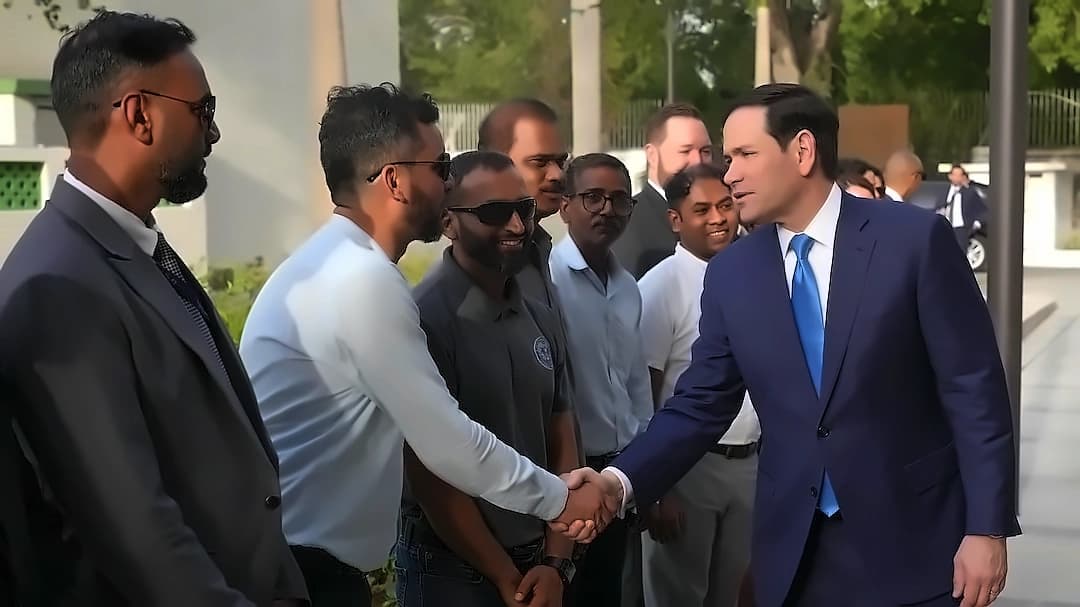
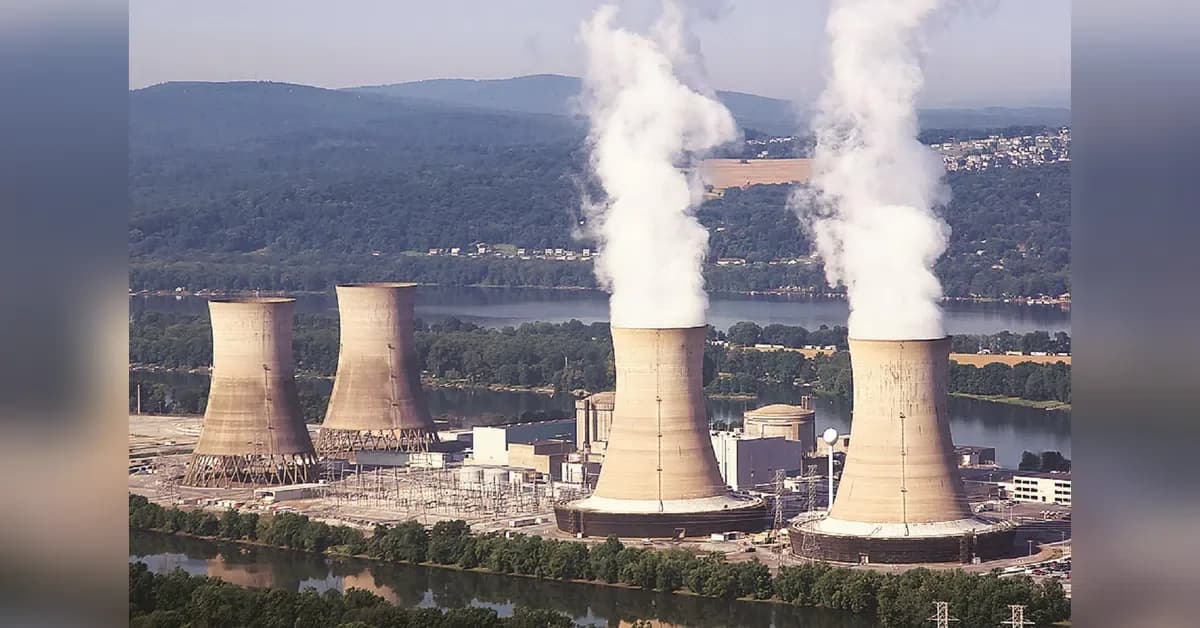
A 20-member US Executive Nuclear Industry Delegation is visiting India from May 18-21 to explore cooperation opportunities in the civil nuclear sector. According to reports from the US-India Strategic Partnership Forum (USISPF), the team will visit New Delhi and Mumbai and meet Maharashtra Chief Minister Devendra Fadnavis, officials from the Department of Nuclear Energy, and leaders from several private sector companies interested in India's civil nuclear sector. The delegation is part of an initiative by the USISPF and the Nuclear Energy Institute, a leading US policy and technical organisation. The core purpose of the trip is to understand how American and Indian companies can further collaborate to support project development, strengthen supply chains, and build long-term commercial partnerships, as described by USISPF. The members will interact with government officials and private sector leaders keen to explore opportunities in the civil nuclear sector available since the enactment of the Sustainable Harnessing and Advancement of Nuclear Energy for Transforming India (SHANTI) law in December last year.
The visit comes after New Delhi opened up the tightly-controlled nuclear sector for private players following the enactment of the Sustainable Harnessing and Advancement of Nuclear Energy for Transforming India (SHANTI) law in December last year. As reported by USISPF, the SHANTI Act replaced the Atomic Energy Act of 1964 and the Civil Liability for Nuclear Damage (CNLD) Act of 2010. The CNLD Act had tougher liability provisions on nuclear suppliers which global companies found to be an impediment to exploring the Indian market. The delegation will also hear from states on backing nuclear projects and local manufacturing links, focusing on practical steps for cooperation as India targets 100 GW by 2047.
India's ambition to scale nuclear capacity to 100 GW by 2047, combined with the opening of the sector to private players, presents a major commercial opportunity for US firms. According to Shaswat Kumar, Fellow at the Centre for Strategic and International Studies, recent 10 CFR Part 810 authorisations to Holtec, Clean Core Thorium and Flowserve signal renewed momentum in bilateral nuclear cooperation. Kumar noted that realizing this potential will hinge on parallel action including faster export approvals from the US and progress on reprocessing infrastructure in India. Current installed capacity is nearly 9 GW, and the expansion plan links to a wider shift away from fossil fuels and supports India's net zero carbon emissions goal by 2070. The move is aimed at reducing dependency on fossil fuels, which in turn, will help in achieving India's long-term target of net zero carbon emissions by 2070.
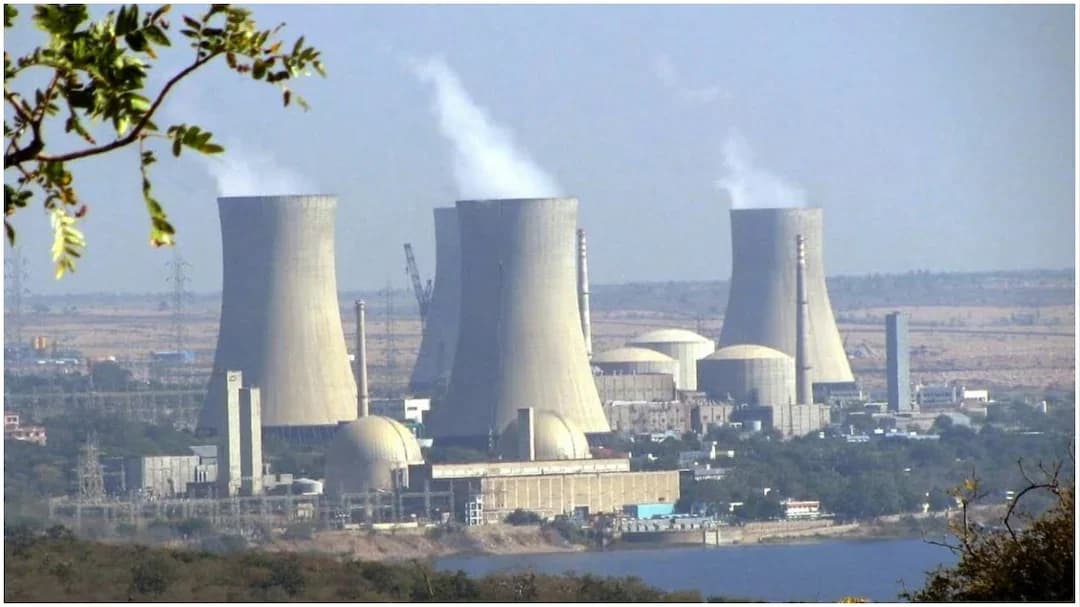
Private sector players such as Tata Consulting Engineers, Adani Group, and Larsen & Toubro have evinced interest in the civil nuclear sector. As reported by USISPF, the delegation will understand from state governments how they can support nuclear projects and build manufacturing partnerships at the local level. India's public sector undertaking National Thermal Power Corporation (NTPC) has established a joint venture with Nuclear Power Corporation of India Limited (NPCIL) to build at least six power plants at Mahi Banswara in Rajasthan and Chutka in Madhya Pradesh. The delegation is expected to review joint project options involving Indian private sector partners in civil nuclear energy during their meetings. The US industry delegation is expected to explore joint project opportunities with the Indian private sector in civil nuclear energy.
India and the US are exploring cooperation in nuclear fusion technologies in addition to the International Thermonuclear Experimental Reactor being developed at Cadarache in France. According to reports, the countries are also exploring cooperation in small modular reactors (SMRs), which are billed as the future of nuclear power due to ease of deployment, particularly by repurposing sites of coal-based power plants. The US is taking steps to speed up SMR deployment and explore recycling and reprocessing of spent fuel, as the US has not reprocessed or recycled nuclear fuel since 1970. The India-US civil nuclear agreement was signed in 2008, after which two project locations were assigned to US companies at Chhayamithi Virdi in Gujarat and Kovvada in Andhra Pradesh for 1,000 MW nuclear power plants. The delegation's meetings are expected to cover a range of technologies and supply chain needs across multiple nuclear applications.