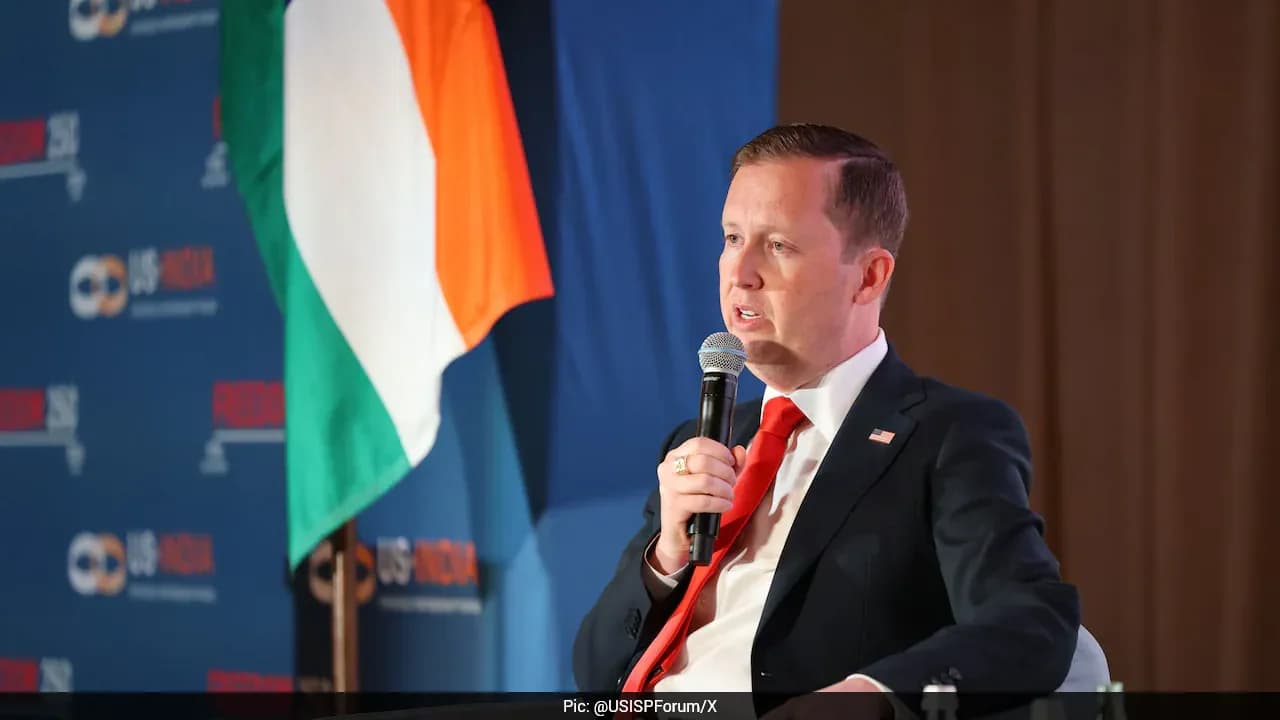
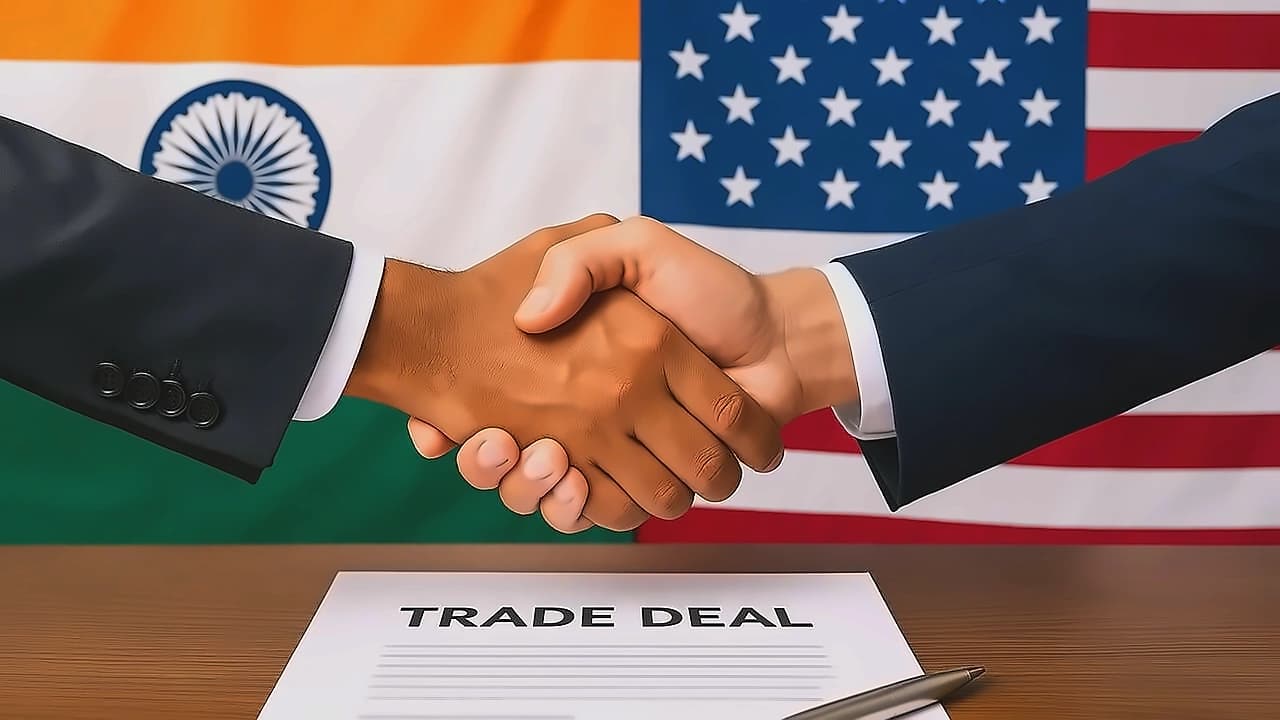
A US delegation led by Chief Negotiator Brendan Lynch will visit India from June 1-4, 2026 for comprehensive trade negotiations, according to the commerce department press statement. Assistant US Trade Representative for South and Central Asia Brendan Lynch, who is also chief negotiator for the India-US Bilateral Trade Agreement (BTA), will visit New Delhi with a team of officials to advance trade deal negotiations. The delegation will carry forward discussions on a proposed interim agreement as well as the broader bilateral trade pact. As reported by the commerce department, the talks will focus on finalising details of the interim trade pact while also taking forward negotiations under the larger bilateral trade agreement framework. The upcoming round of discussions will cover multiple areas including market access, non-tariff measures, customs and trade facilitation, investment promotion, and economic security alignment. According to NDTV Profit, India and the US are set to fast-track an interim trade agreement as both sides seek to conclude key elements of the mutually beneficial deal.
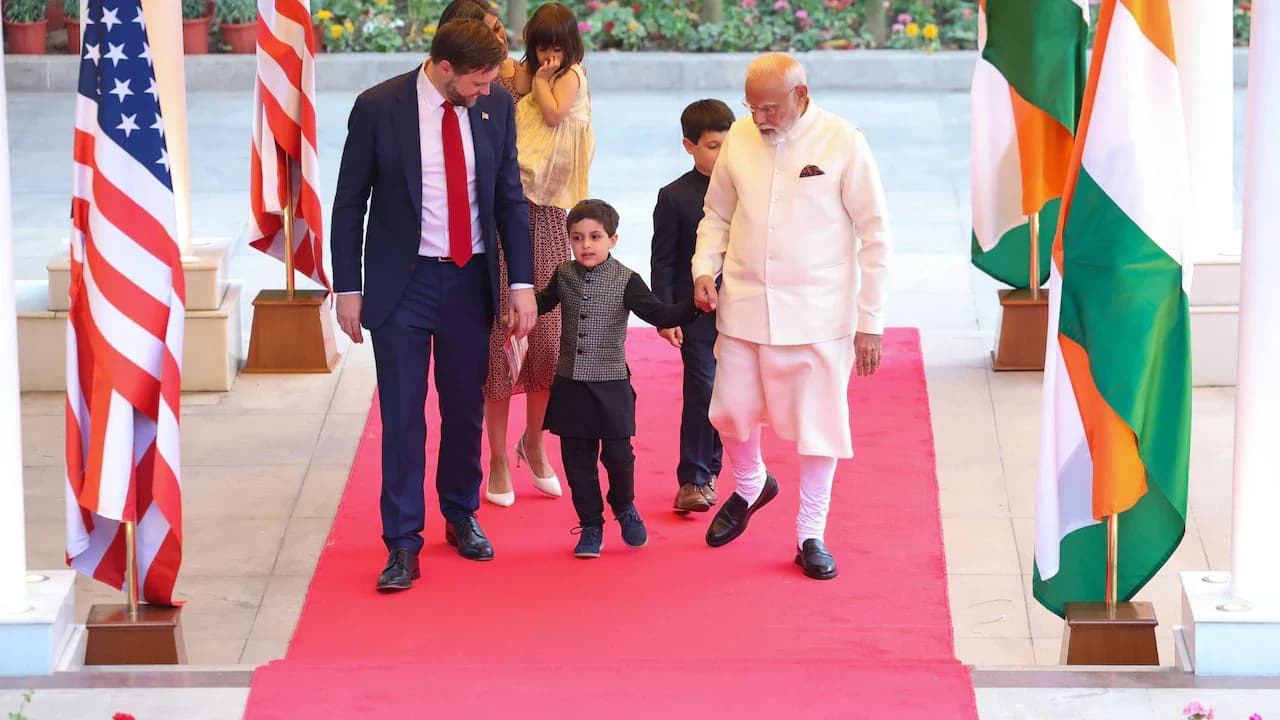
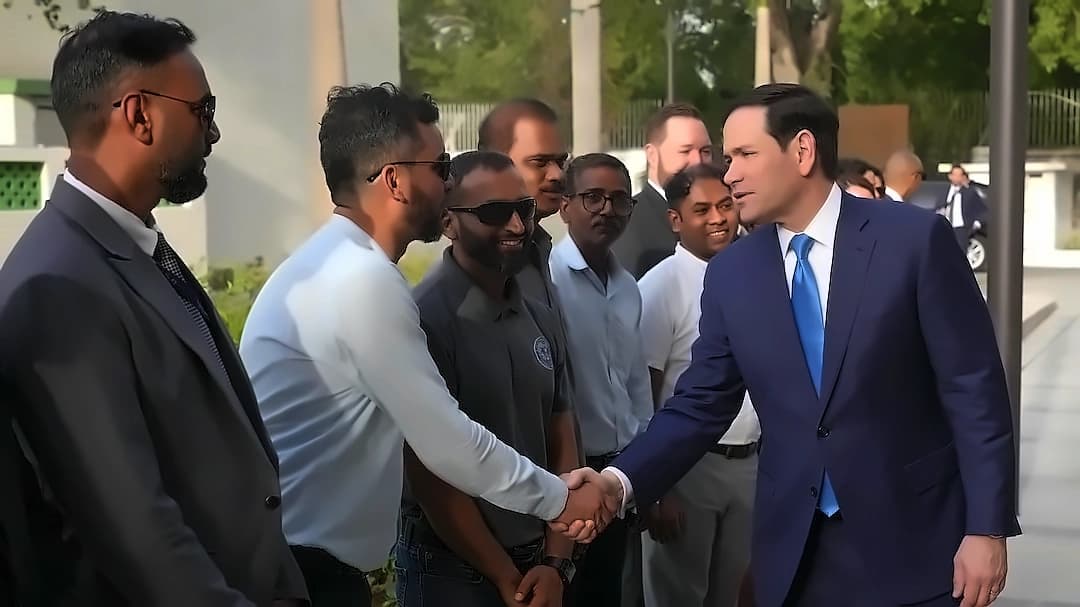
India has committed to purchasing $500 billion worth of goods from the United States over the next five years, according to US Secretary of State Marco Rubio. As reported by NDTV Profit, the import ramp up with its largest trading partner has come as a result of talks between envoys of both countries during Rubio's visit to New Delhi. The commitment spans key sectors including energy, technology, and agriculture, representing a significant expansion of bilateral trade relations. According to the U.S. Embassy, India also committed to buy more American products, including more than $500 billion of U.S. energy, information and communication technology, coal, and other products. However, Reuters and multiple trade analysts have flagged concerns that the commitment lacks binding mechanism, legal predictability, or enforcement, with India's average import tariff remaining around 14 percent.
India and the US had issued a joint statement on February 7, 2026, agreeing on a framework for an interim trade arrangement focused on reciprocal benefits. As reported by NDTV Profit, the framework reaffirmed their commitment to advancing discussions under the wider BTA covering market access, non-tariff barriers, customs and trade facilitation, investment promotion, and economic security alignment. US Trade Representative Jamieson Greer recently indicated that both sides had already agreed on a broad framework for negotiations, stating during a Council on Foreign Relations interaction that 'We have had many meaningful discussions. We have a framework agreement done with the Indians. I have a team going there next week.' Greer added that 'It would be historic for the US and India' if they could finalize the agreement. The 'Mission 500' initiative aligns with both countries' goal of doubling trade by 2030. This will be the second physical meeting between the two sides after India's chief negotiator Darpan Jain, additional secretary in the commerce department, led a team of officials to the US in April. Following February's joint statement, the White House removed the 25 per cent penal tariff on India for its Russian oil imports.
During their meeting, External Affairs Minister S. Jaishankar described the US as a 'significant and reliable' energy partner, noting there has been a 'significant uptick' in energy supplies from the US to India. According to Business Standard, Jaishankar emphasized that 'India is in an 'era of de-risking' and it is important to secure large, dependable and affordable sources of energy, suggesting that the US has emerged as one such source.' India is set to import significant amounts of LPG and liquefied natural gas from the US in May, according to predictive data from Kpler. Rubio expressed Washington's wish to sell as much energy to India as possible, stating 'We want to sell India as much energy as it will buy.' These comments came in the backdrop of the US Secy's planned visit to New Delhi and at a time when America has been receiving a lot of Venezuelan oil across its refineries. The discussions took place just days after U.S. Treasury Secretary Scott Bessent announced a 30-day extension of a sanctions waiver allowing countries to continue purchasing Russian oil stranded at sea.
India and the US have signed a framework to secure supplies of critical minerals and rare earth elements, essential for semiconductors, batteries, defense equipment, and other high-tech industries. As reported by NDTV Profit, these materials are considered strategically important, with the US heavily reliant on imports for many of them. Officials from both sides have emphasised growing convergence in trade, energy, defense, and maritime security, reflecting a broader strategic partnership alongside ongoing trade negotiations. The energy discussions come at a critical time when global energy markets are being roiled by conflicts in Iran and Russia. India has been one of Russia's biggest petroleum customers following Russia's invasion of Ukraine, and the United States began easing sanctions as the escalating conflict in Iran affected global energy supplies. Currently, the US has imposed a 10 per cent blanket tariff on all trading partners, with the White House also initiating investigations into India and several other economies under Section 301 of the US Trade Act of 1974, alleging overcapacity and forced labour.