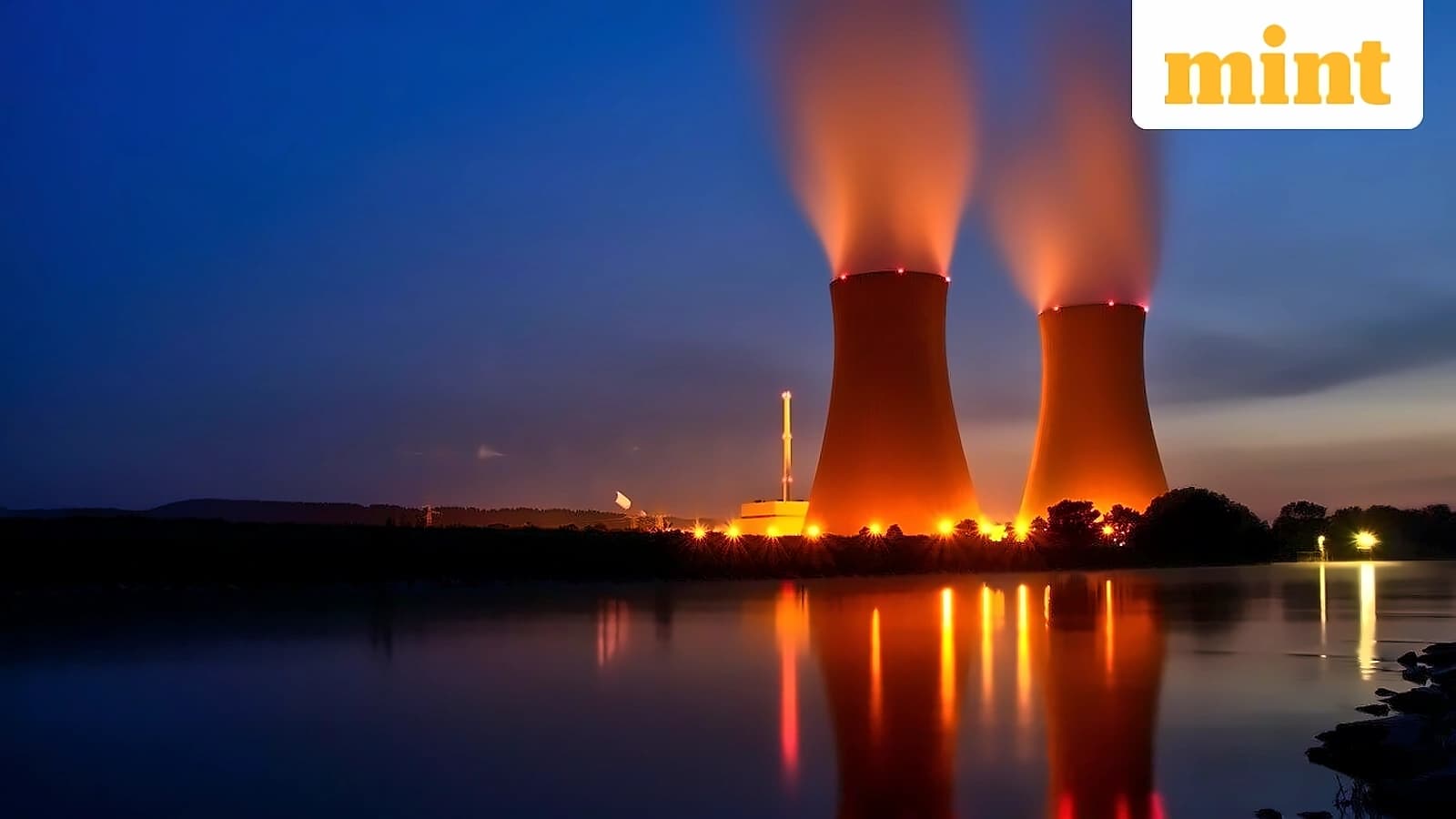
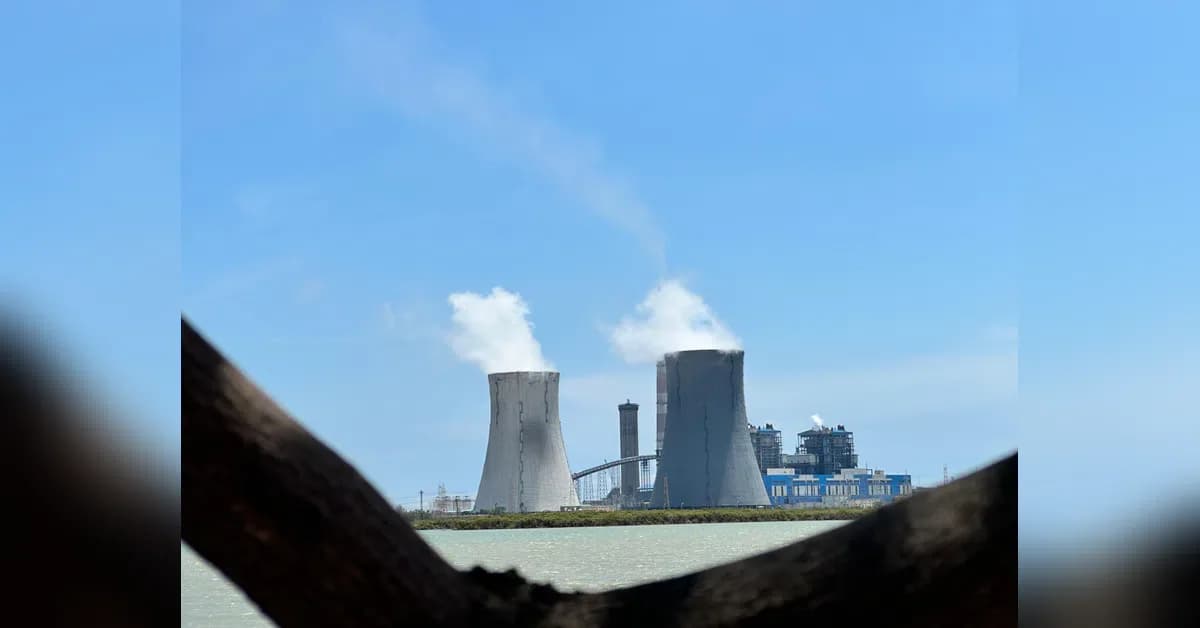
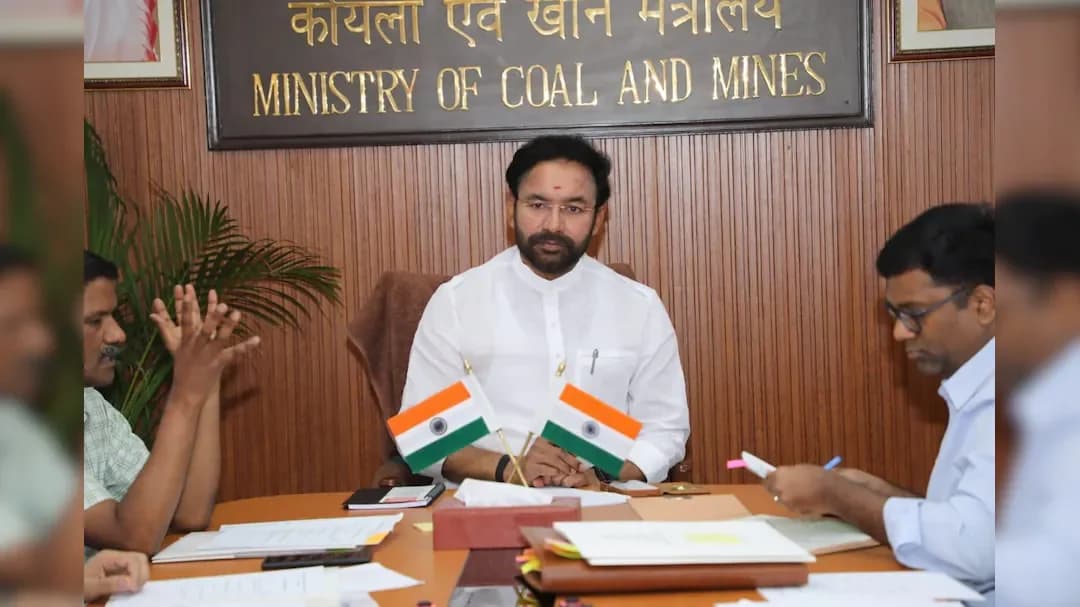
A 20-member US nuclear energy delegation led by Maria Korsnick, president and CEO of the Nuclear Energy Institute (NEI), is currently visiting India to explore commercial nuclear partnership opportunities. According to reports from Business Standard, the delegation has met with key Indian ministers including Finance Minister Nirmala Sitharaman, Science, Technology and Atomic Energy Minister Jitendra Singh, and Power Minister Manohar Lal. Korsnick emphasized that the immediate next step involves keeping company-to-company and government-to-industry discussions moving, with companies following the SHANTI Act implementation process closely while continuing discussions with Indian partners about technology needs, supply-chain opportunities, manufacturing, fuel, engineering, services, project models, and financing.
The SHANTI Act enacted in December 2025 has made significant progress in moving India towards a more workable framework for commercial nuclear cooperation and closer to international norms. As reported by Business Standard, Korsnick stated that the SHANTI Act has changed the conversation and US companies are now willing to support India across the full nuclear life cycle, with expertise spanning large reactors, small modular reactors, microreactors, light water reactors, molten salt reactors, high-temperature gas reactors, and advanced fuel technologies. The proposed legislation is expected to ease foreign investment rules in the nuclear sector, drawing strong interest from US companies. The focus of discussions between the two sides has been on moving from reform to real cooperation, with companies looking at how their technology and experience can support India's energy goals.
The US Nuclear Executive Mission is exploring partnerships across multiple nuclear energy sectors, with discussions covering technology, fuel, manufacturing, engineering, supply chains, project delivery, and long-term services. According to Business Standard, Korsnick noted that implementation matters, but the larger message is that there is real momentum, with both sides beginning detailed conversations needed to turn momentum into business. She emphasized that India has taken a major step with the SHANTI Act, and the next phase involves creating the policy and business environment in which nuclear energy projects can take root. The move supports India's ambitious target of reaching 100 GW nuclear power capacity by 2047 and becoming a global clean energy hub.
Finance will be a key component of nuclear project development, with Korsnick highlighting that if India develops a strong domestic role in manufacturing, construction, engineering, and services, that can help make projects more competitive over time. As reported by Business Standard, she noted that there are US financing tools that may be relevant, including the Export-Import Bank and other federal tools depending on the project. However, she emphasized that financing follows serious projects, requiring clear rules, bankable project structures, and confidence that projects can be delivered.
Regarding specific reactor technologies, Korsnick confirmed that AP1000 reactors are certainly one serious possibility, with Westinghouse being part of the delegation. According to Business Standard, she clarified that the mission is broader than any one reactor design, noting that AP1000 may be part of the conversation, but so are small modular reactors, advanced reactors, fuel, engineering, manufacturing, supply chains, storage, logistics, and long-term services. The delegation's visit represents serious companies understanding the rules, project models, and commercial structure before making major commitments in India's nuclear energy sector.