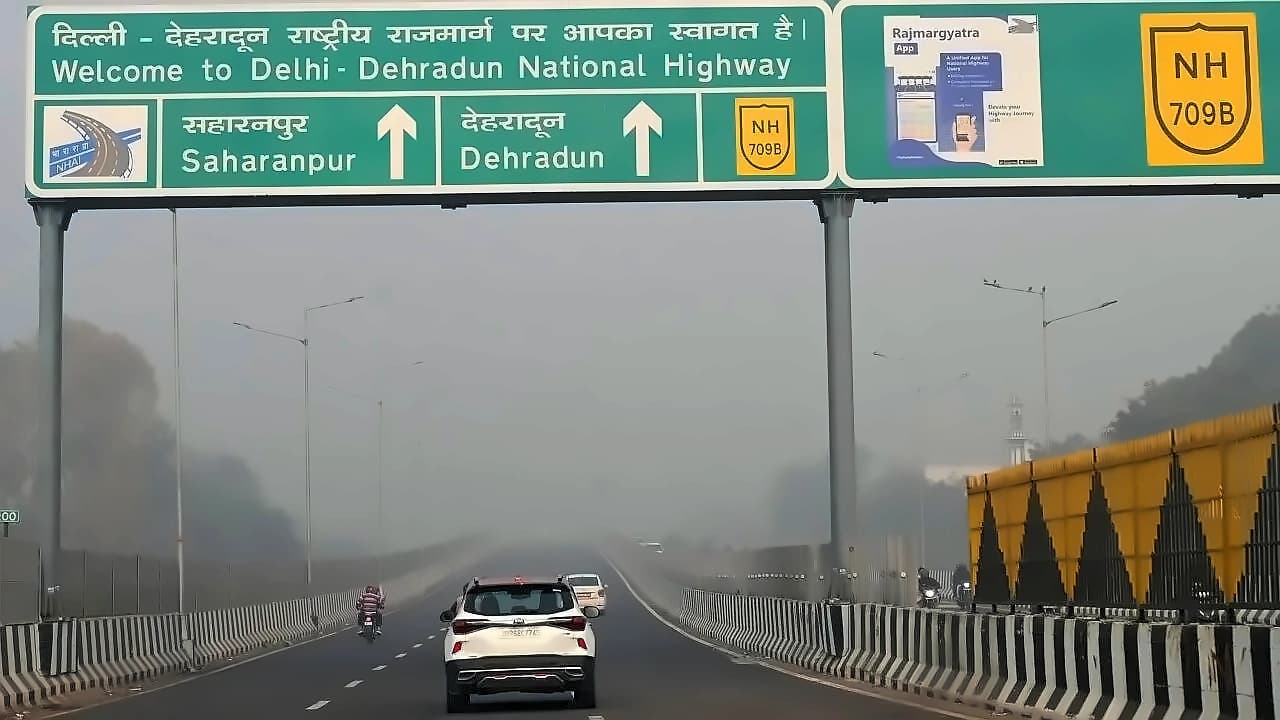
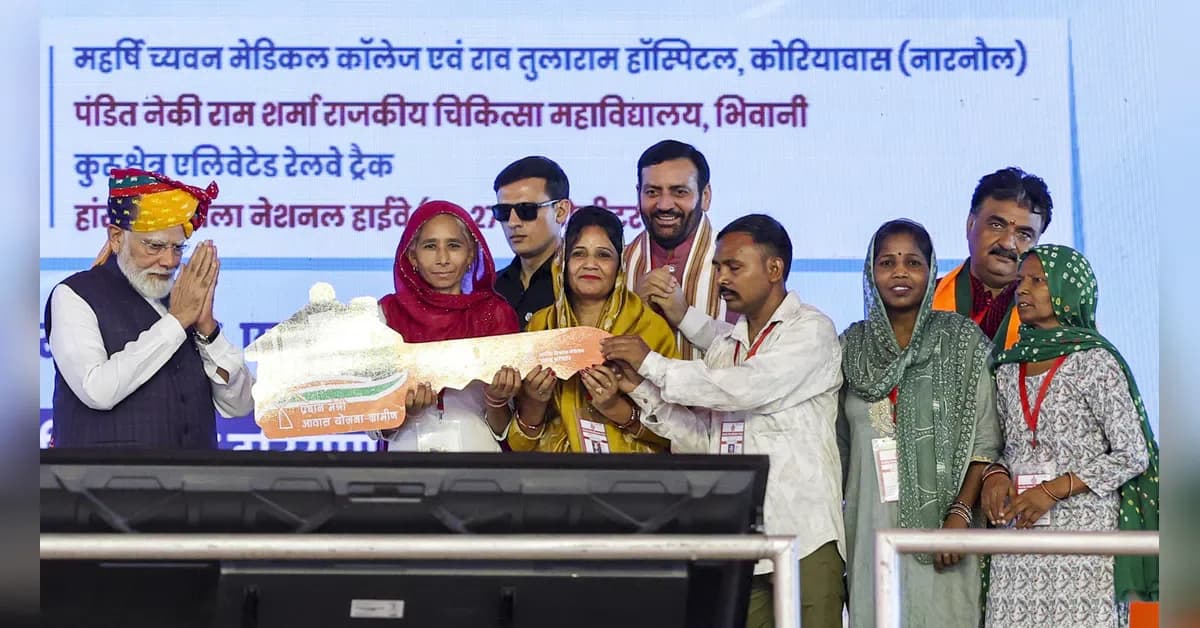
Prime Minister Narendra Modi has successfully inaugurated the much-awaited Delhi-Dehradun Economic Corridor, marking a significant milestone in India's infrastructure development. The inauguration took place during PM Modi's visit to Uttarakhand and Uttar Pradesh on April 14, 2026, with the prime minister reviewing the wildlife corridor built along the elevated stretch of the expressway before the formal inauguration. The project has been executed by the National Highways Authority of India (NHAI) and represents a major achievement in India's highway development. As per Times of India, the full expressway was thrown open on April 14, 2026, with PM Modi visiting UP's Saharanpur to review the Wildlife Corridor on the elevated section of the corridor before performing Pooja at Jai Maa Daat Kali Temple near Dehradun.
The 213-kilometer six-lane, access-controlled corridor has been developed at a cost exceeding ₹12,000 crore under the National Highways Authority of India (NHAI). The route starts from Akshardham Temple in Delhi and runs through districts including Baghpat, Muzaffarnagar, Shamli and Saharanpur before entering Uttarakhand. Once operational, the expressway will reduce travel time from the 213 km stretch to approximately 2.5 hours, representing a dramatic improvement from the previous over six hours. The major benefit is the reduction in travel time from over six hours to approximately 2.5 hours, making it a game-changer for regional connectivity. As per Times of India, FASTag Annual pass users will pay a toll of just over ₹60 for a one-way trip while crossing four toll plazas, with the speed limit set at 80 kmph for trucks and 100 kmph for cars.
The most technically demanding portion of the expressway is located near Dehradun, where the route cuts through the ecologically sensitive Rajaji National Park in the Shiwalik Hills. The expressway features Asia's largest 12-kilometer elevated wildlife corridor between Ganeshpur and Asharodi, supported by widely spaced pillars to provide ample space for animal movement. The structure includes two 200-meter long elephant underpasses and six animal passes – ensuring safer crossings, reducing accidents and enabling uninterrupted wildlife movement. The corridor also includes a 370-meter long tunnel near Daat Kali temple and features sound barriers to mitigate traffic noise. The wildlife protection features include six animal underpasses, eight animal passes, two 200-meter-long elephant underpasses, and the 370-meter tunnel near the Daat Kali temple, all designed to ensure safe animal movement through the ecologically sensitive area.
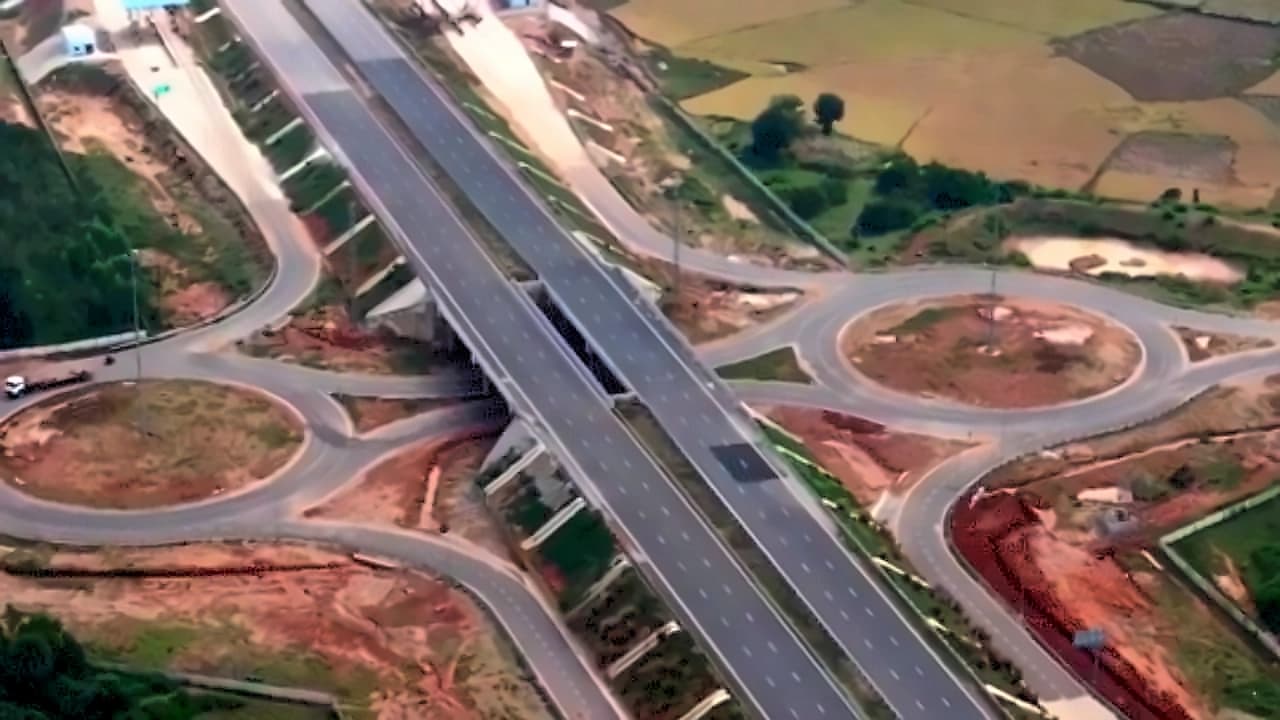
The Delhi-Dehradun Expressway operates as an access-controlled highway with four toll plazas, featuring 10 interchanges, 3 ROBs, 4 major bridges and 12 wayside amenities to enable high-speed travel with convenience and road safety. The expressway includes 113 vehicular underpasses to maintain local connectivity, 62 bus shelters, nearly 76 km of service roads, and multiple entry and exit points with provisions for rainwater harvesting and groundwater recharge systems. The corridor is equipped with an Advanced Traffic Management System (ATMS) to provide a safer and more efficient travel experience for commuters. As per Times of India, the corridor is fitted with an Advanced Traffic Management System (ATMS) to enhance safety and improve traffic efficiency.
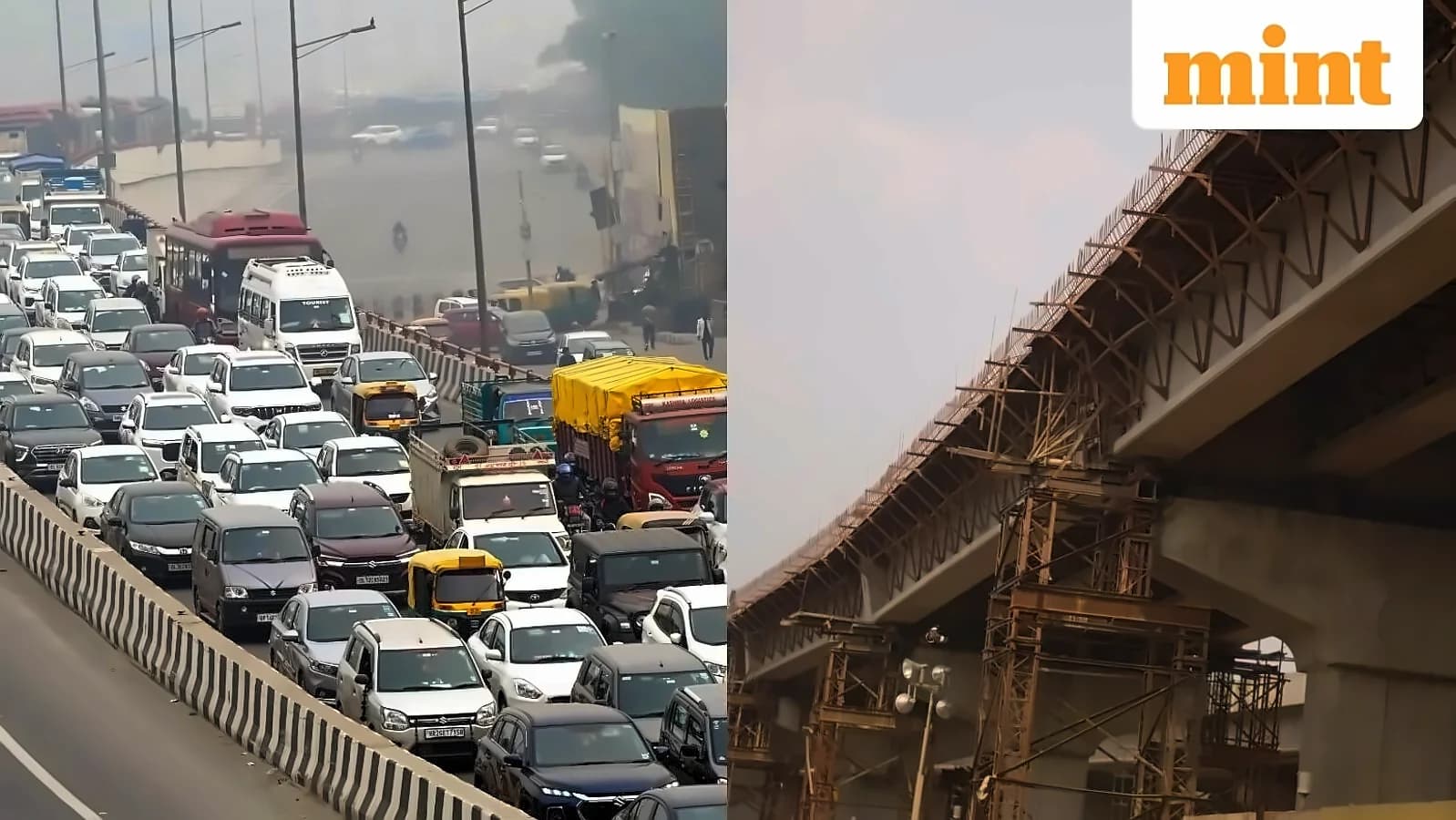
The project follows a hybrid construction model combining greenfield and brownfield development. The first stretch covers 31.6 km from Akshardham to Khekra, largely brownfield development, where the existing route has been transformed into a six-lane elevated road along with a parallel service lane. The second phase spans 120 km from the EPE interchange at Baghpat to the Saharanpur bypass as a greenfield project. The third phase spans 42 km from the Saharanpur bypass to Ganeshpur and the fourth phase connects Ganeshpur to Dehradun over 20 km, including a 4.6 km upgraded stretch. The first stretch was completed by mid-2025 and opened to the public in December 2025, covering the 32-km stretch from Delhi (Akshardham, Geeta Colony, Shastri Park) through Mandola Vihar in Ghaziabad to Khekra in Baghpat. The corridor is expected to boost regional economic activity by improving connectivity between tourism hubs like Haridwar, Char Dham route, and Dehradun, while creating opportunities for trade and development in towns along the alignment including Meerut, Baghpat, Shamli and Yamunagar. Once operational, the expressway will play a key role in easing congestion in the National Capital Territory (NCT) of Delhi and reducing traffic on the Delhi-Meerut Expressway and other connecting highways.