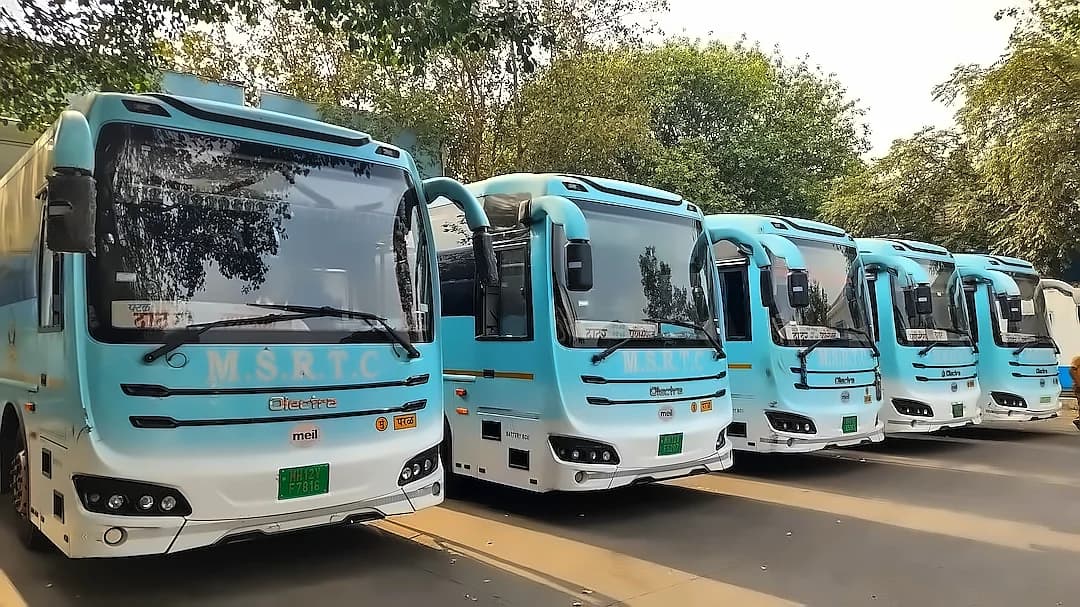
Meghalaya Chief Minister Conrad K. Sangma on Tuesday flagged off five electric buses under the PM eBus Sewa Scheme at Taraghar -- State Guest House in Shillong. According to reports from Zee News and Guwahati News, these newly introduced air-conditioned buses are zero-emission vehicles capable of travelling around 180-200 km on a single charge. Each bus can accommodate 25 passengers and is equipped with wheelchair spaces, foldable ramps, GPS-enabled monitoring and e-ticketing facilities. As per Zee News, the electric buses were launched at a programme held at Taraghar -- State Guest House in Shillong, marking the beginning of a major push towards sustainable urban mobility and cleaner public transportation in the state. The event was described as the first phase of the initiative aimed at providing citizens with cleaner, greener, and more efficient public transportation services.
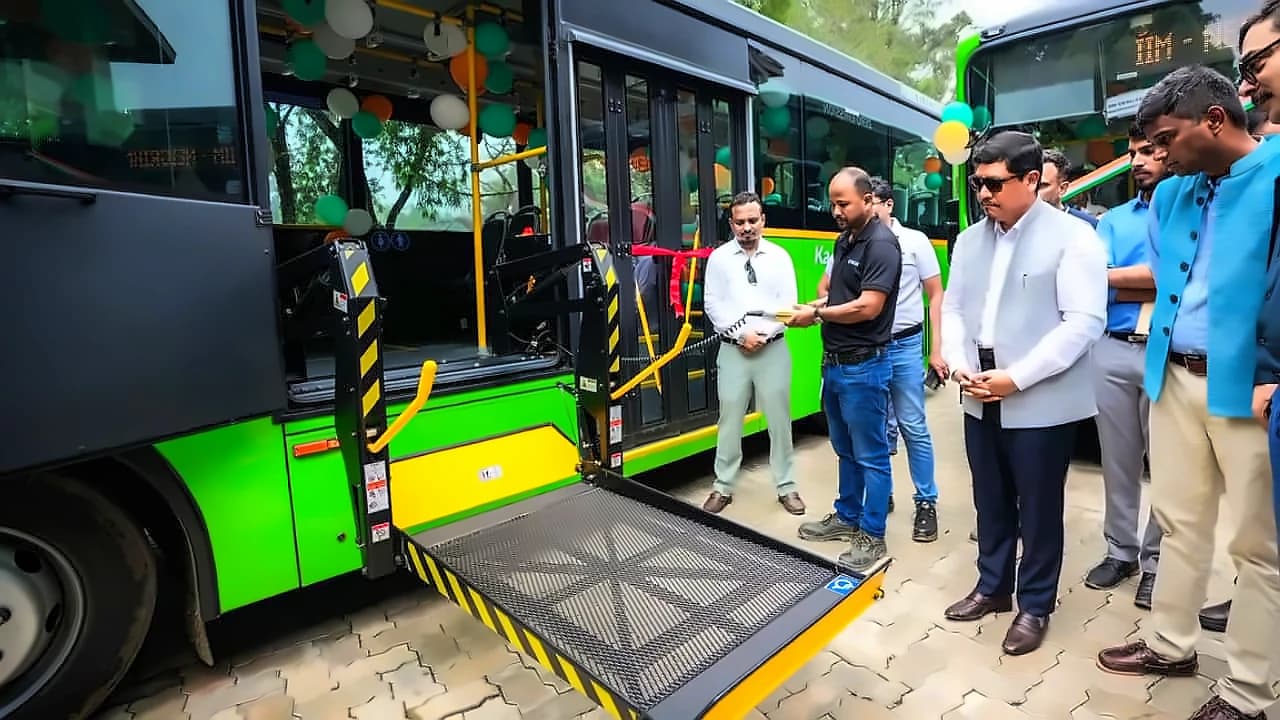
Addressing the gathering, Chief Minister Sangma highlighted that Shillong has long faced challenges in public transportation and traffic congestion, as reported by Zee News. He emphasized that the state government has been exploring different solutions to improve urban mobility, stating that the electric bus initiative is part of a larger vision including expansion of parking infrastructure, promotion of public transport and development of the proposed administrative city at Mawdiangdiang to reduce pressure on Shillong's urban core. The Chief Minister called for greater public participation and community support, emphasising the importance of partnerships between government and citizens in achieving Shillong's long-term development goals. He described the launch of the electric buses as another important step towards creating a transport system that is better suited to the needs of the city, with the ultimate objective to decongest Shillong and encourage people to use public transportation instead of relying on private vehicles.
State Urban Affairs Department Commissioner and Secretary Vijay Kumar D announced that Shillong has been sanctioned 50 electric buses under the Centre's PM eBus Sewa Scheme, according to Zee News. The city is adopting a Gross Cost Contract (GCC) model under which operators are paid based on service quality and schedule adherence rather than passenger fares. 15 diesel buses operating under the same model have already recorded a rise in daily ridership from around 300 passengers to nearly 3,000 passengers within a few months, demonstrating the effectiveness of this approach. Four major routes have been identified for the electric buses, with the new model incentivising operators to provide reliable public transport as a service rather than focus solely on fare collection. The buses are GPS-enabled and operate on fixed schedules, with service quality monitored in real time.
According to Zee News, the state government expects a combined fleet of about 150 diesel and electric buses within six months, capable of serving nearly 60,000 commuters daily across Shillong. The 15 diesel buses have already been operational for the past three to four months, creating employment opportunities for nearly 50 local youth. Chief Minister Sangma reiterated the state government's commitment to electric mobility and announced that the state's policy providing exemptions on registration fees and road taxes for electric vehicles would be renewed after Cabinet approval. He encouraged wider adoption of electric vehicles, stating that electric vehicles are well-suited to Meghalaya's hilly terrain and can be conveniently charged at home. The Chief Minister also highlighted opportunities for communities and private landowners to participate in the development of charging infrastructure and parking facilities through government-supported initiatives.