India is actively building more EV charging infrastructure, but achieving mainstream adoption requires more than just physical infrastructure. According to reports, EV charging stations are often poorly maintained, hidden away in corners of highway plazas, and treated as afterthoughts even in residential projects costing upwards of ₹2 crore. The success of electric vehicles depends not only on building chargers but also on creating confidence that charging will be convenient, accessible, and reliable. This requires fundamental changes in everyday habits and attitudes among drivers. As the EV ecosystem continues to evolve, infrastructure development must be accompanied by systematic behavioral changes to ensure sustainable adoption.
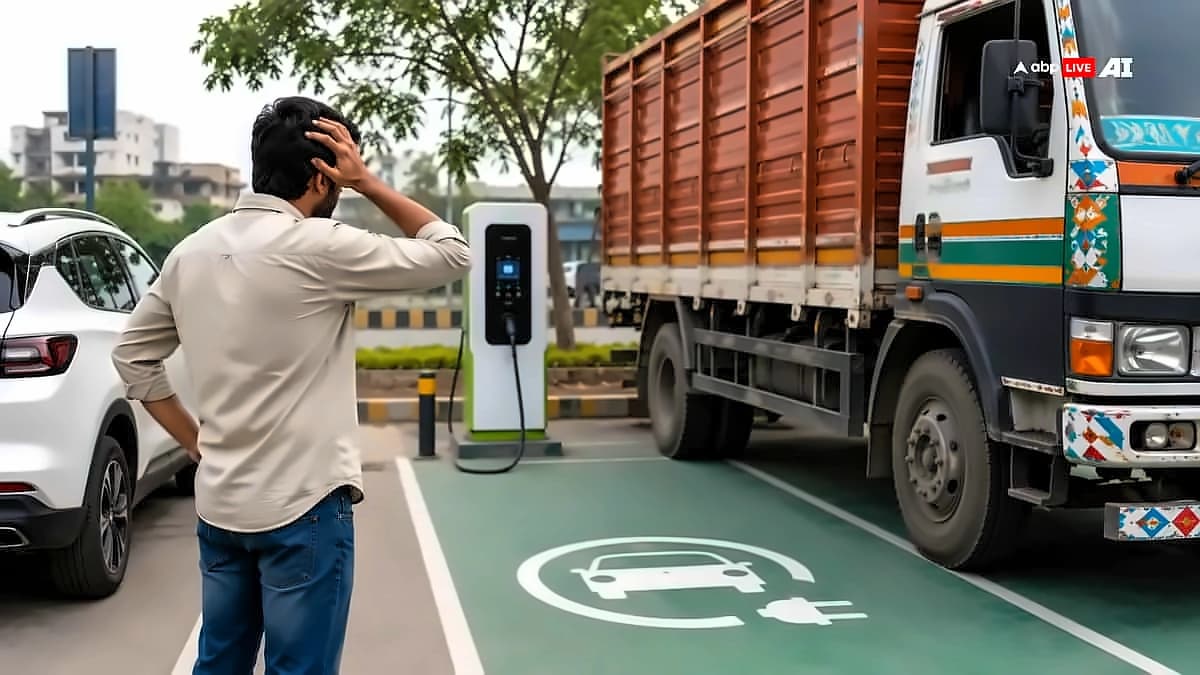
The most common frustration faced by EV owners worldwide is ICE-ing, short for Internal Combustion Engine, where petrol or diesel vehicles park in designated EV charging spaces. In countries with high EV adoption like Norway, Germany, and the Netherlands, charging bays are treated similarly to disabled parking spaces, with authorities imposing hefty fines and towing offending vehicles. India currently lacks a uniform nationwide law penalizing non-EVs for occupying EV charging points, with enforcement depending on residential societies, municipal authorities, and local parking regulations. Maharashtra has taken the strongest steps, prohibiting non-EVs from parking in designated EV charging areas within housing societies, malls, and similar facilities, with violators subject to penalties under applicable parking rules.
EV owners play a major role in ensuring charging infrastructure remains accessible through proper etiquette practices. According to reports, it's common for owners to leave vehicles plugged in overnight, preventing others from accessing chargers during early morning hours. The final portion of charging typically takes longer and can unnecessarily occupy chargers that other drivers may urgently need. EV owners should also handle charging equipment carefully, as leaving connectors on the ground after unplugging increases damage risks to both vehicles and charging stations. When multiple chargers are available, drivers should choose the one matching their vehicle's capability and leave faster units available for vehicles that can fully utilize them.
One of the most important charging etiquette rules is never unplugging another vehicle without permission, as most charging connectors remain locked until sessions are complete. Attempting to forcibly remove connectors can damage both vehicles and charging stations. Many charging locations still lack basic support services such as clean washrooms, food options, weather protection, and waste disposal points. A common complaint among EV owners is arriving at chargers that appear available on apps but are blocked by parked vehicles or otherwise unusable. These infrastructure gaps create additional challenges for maintaining proper charging etiquette and accessibility.
EV charging remains relatively new in India, with everyone learning as the ecosystem evolves. According to reports, disputes over charging access can quickly escalate, especially in high-demand locations. Building an EV-friendly culture requires patience, courtesy, and treating charging infrastructure as a shared public resource rather than personal property. Small actions like helping other drivers understand charging processes or vacating chargers once sessions are complete can make meaningful differences in the transition to electric mobility. The success of this cultural shift will depend on collective responsibility and understanding that charging infrastructure serves the broader EV community rather than individual convenience.