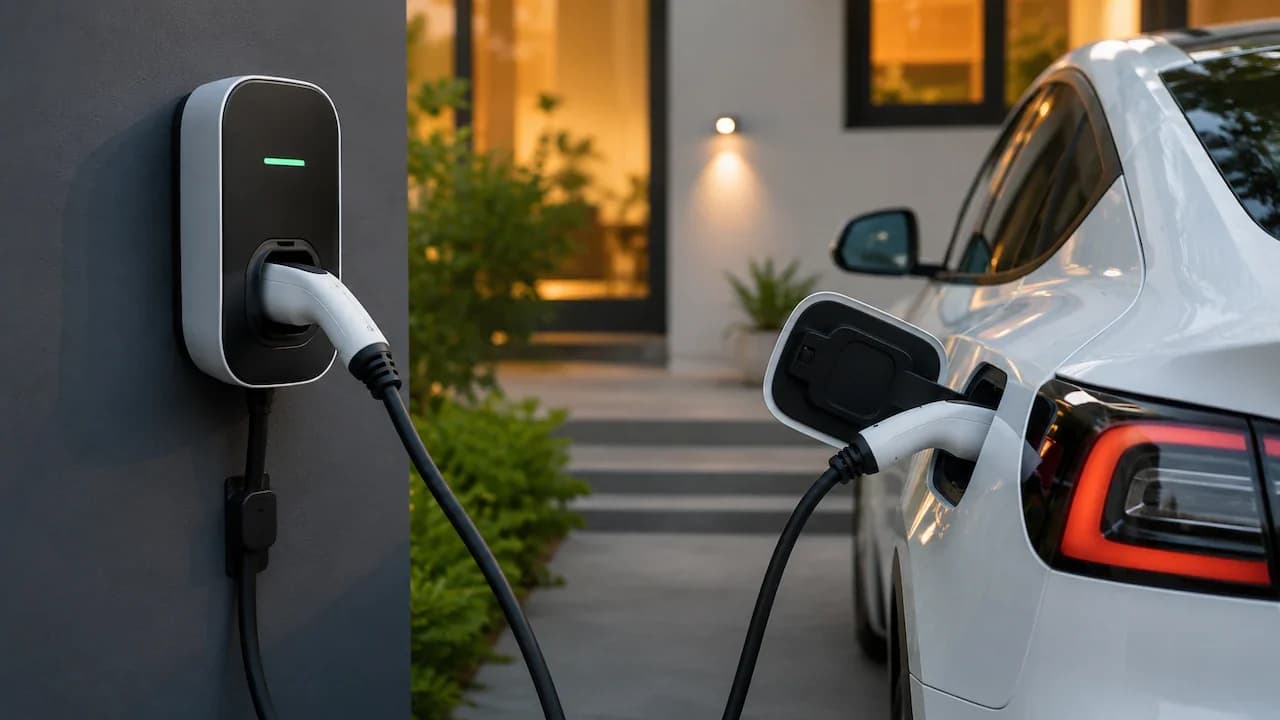
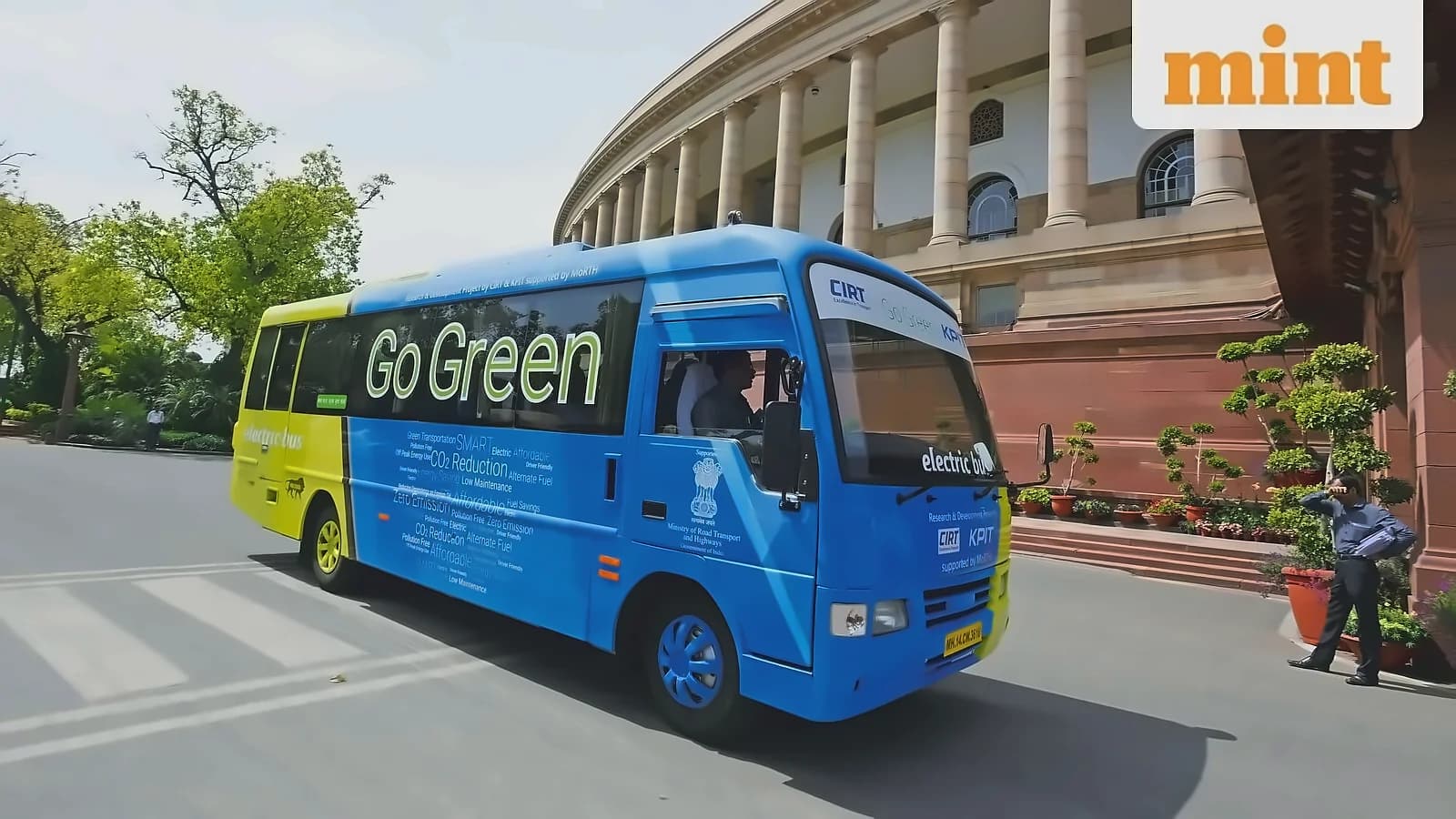
Electric vehicles accounted for around 8% of all new vehicle registrations in 2025, significantly below India's ambitious target of achieving 30% EV penetration by 2030. According to reports from Business Standard, much of this limited adoption has been driven by electric two-wheelers, which contributed nearly 57% of EV sales in 2025, while electric three-wheelers accounted for approximately 35%. The International Energy Agency's latest "Global EV Outlook" reveals that despite being the Asia-Pacific region's second-largest car market, India's electric car sales remain lower than countries such as Vietnam and Thailand.
India's charging infrastructure remains a critical bottleneck with around 29,000 public charging stations as of early 2026, representing a significant improvement from barely 5,000 stations a few years ago. As reported by Business Standard, India's charger-to-EV ratio stood at roughly 1:235 in July last year, far below the global benchmark of six to 20 EVs per charger. Deloitte's 2026 "Global Automotive Consumer Survey" for India identified an inadequate charging network, long charging durations, and limited residential charging access as major deterrents to EV adoption.
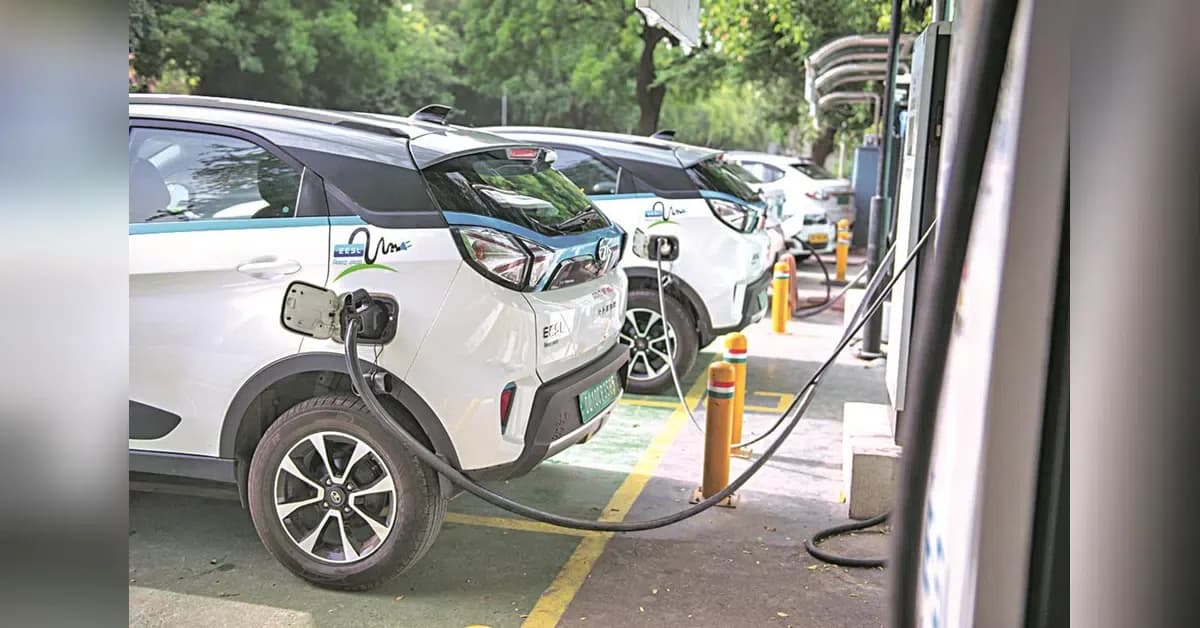
The adoption of electric cars continues to lag behind global trends, with China having already crossed 50% EV penetration in new car sales. According to the International Energy Agency's latest outlook, several European countries moved well beyond 20% EV penetration in 2025. This positions India significantly behind both regional and global peers in electric vehicle adoption rates.
Electric cars face higher upfront costs than internal combustion engine vehicles due to expensive battery systems, while India remains heavily dependent on imports for lithium-ion cells and critical minerals such as lithium, cobalt and nickel. As reported by Business Standard, consumers remain uncertain about battery life, resale value, inadequate servicing networks, and replacement costs. The government has launched the PM Electric Drive Revolution in Innovative Vehicle Enhancement (PM E-DRIVE) scheme to support EV adoption and public-transport electrification.
To accelerate the transition, India requires a coordinated strategy with rapid expansion of charging infrastructure across highways, Tier-II and Tier-III cities, residential complexes, and public spaces. Investment in domestic battery manufacturing and research is essential to reduce import dependence and lower costs. According to Business Standard, as India pursues its net-zero target for 2070, accelerating electric mobility will be indispensable in building a cleaner and more energy-secure transport system.