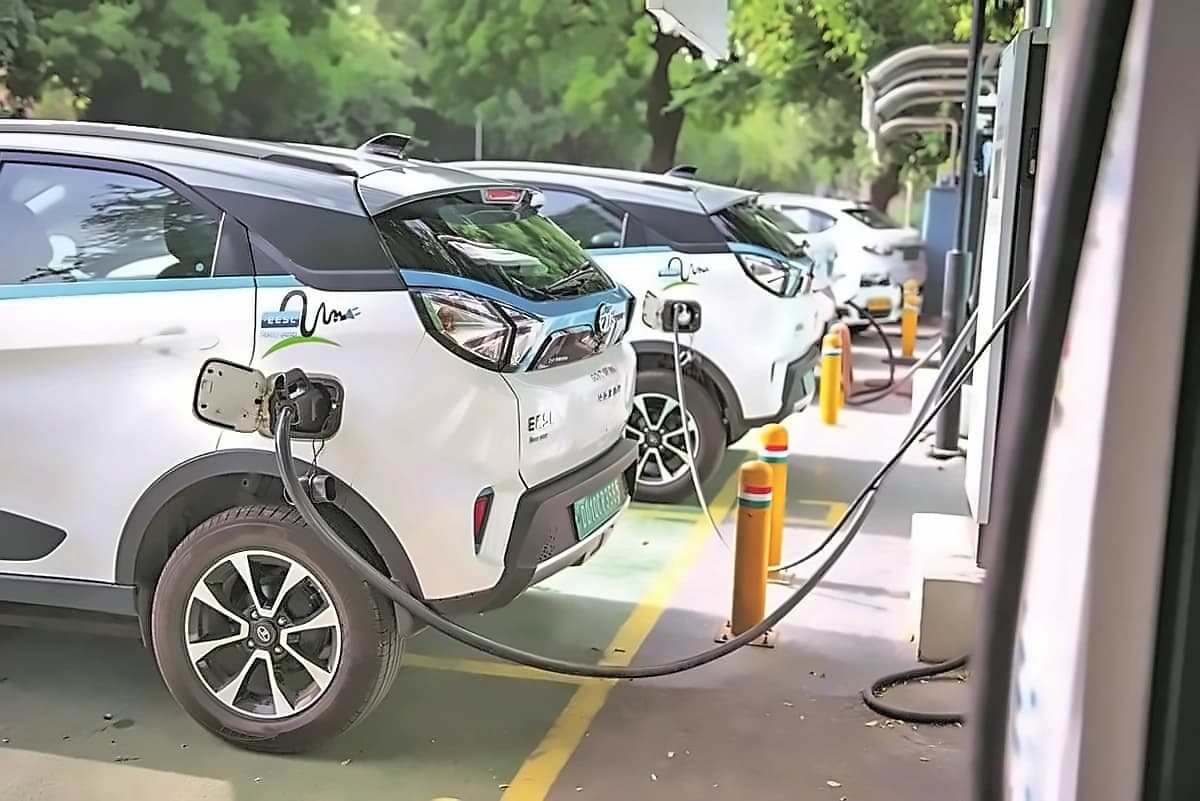
New Delhi has finalized a four-year EV policy with a ₹1.59 billion outlay aimed at cutting transport emissions in one of the world's most polluted capitals. The policy, expected to come into effect from July 1, will support buyers of electric two-wheelers, cars and small trucks while funding new charging infrastructure across the city. Car owners scrapping vehicles bought before April 1, 2020, can receive about ₹85,000 when switching to an EV, with the incentive applying to cars priced up to ₹3 million. The policy also includes cash incentives starting at ₹30,000 in the first year, falling to ₹10,000 by the third year for electric two-wheeler buyers, while buyers of battery electric vehicles priced up to ₹3 million will be exempt from road tax and registration fees that typically range from 4% to 10% of a vehicle's price.
According to a joint study by EV charging company Kazam and the Alliance for an Energy Efficient Economy (AEEE), nearly 45% of Indian homes require electrical upgrades before they can safely support EV charging. The study, based on over 80,000 residential EV charger installations across Tier-1, Tier-2 and Tier-3 cities, found that only 55% of prospective EV buyers currently have access to home charging, while another 30% would be able to enable it only after upgrading their existing electrical infrastructure. The study revealed that inadequate earthing, voltage instability, undersized wiring and overloaded electrical systems are the most common issues preventing safe EV charging. As barriers related to electrical infrastructure, housing conditions, stakeholder processes and affordability persist, users resort to informal and unsafe arrangements, plugging into general sockets, temporary extensions and shared connections not designed for sustained EV loads.
According to the latest study, home charging now meets up to 90% of India's daily electric vehicle energy demand and remains two to four times cheaper than public charging. The study analyzed more than 80,000 residential EV charger installations across Tier-1, Tier-2 and Tier-3 cities, revealing that India's EV transition is being driven by light electric vehicles (LEVs), with two- and three-wheelers accounting for about 90% of EV sales in 2025. This trend aligns with global EV market expansion, as the IEA's latest Global EV Outlook shows electric vehicle sales reached approximately 21 million units in 2025, representing one in every four new vehicles sold globally, and are projected to rise to 23 million in 2026. The report also highlights that about half of the new connections to electricity are expected to come from distributed renewable systems such as solar home systems and mini-grids, creating significant opportunities for integrated transport-energy solutions.
For India's EV sector, the policy could benefit established automakers such as Tata Motors and Mahindra & Mahindra, while supporting electric two-wheeler players including TVS Motor, Bajaj Auto and Ather Energy. Two-wheelers are especially important in India's urban transport transition, making up a large share of daily mobility, delivery services and household transport. The policy's ₹1.59 billion outlay over four years creates opportunities beyond vehicle manufacturing, including capital investments in charging hardware, grid services, real estate partnerships and fleet electrification platforms. For ESG-focused investors, the policy links clean transport with public health, infrastructure planning and climate risk mitigation, showing how air pollution can accelerate regulation in high-growth emerging markets. The report notes that in many developing economies, the total lifetime cost of owning and operating an electric vehicle is already lower than a conventional one in the segments that carry the most passengers and consume the most fuel, with the strongest economics in high-utilization segments including urban buses, taxis, ride-hailing fleets, and two and three-wheelers.
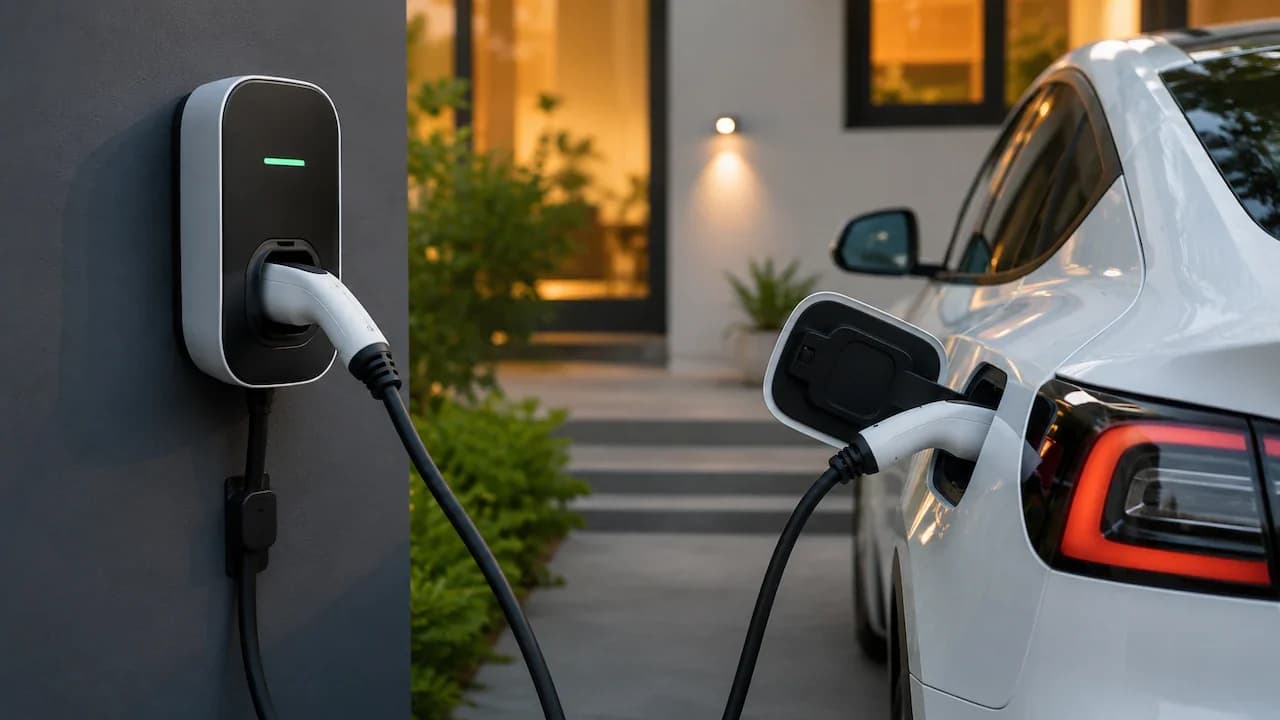
To address infrastructure gaps, the report recommended establishing a 'National Residential EV Readiness Framework' to bring together existing standards, regulations and guidelines into a single implementation roadmap for residential charging. The study called for introducing dedicated indicators such as charger installations, EV sub-meter approvals, load enhancement requests, and electrical readiness assessments to track the country's preparedness alongside EV adoption. The policy also promotes dedicated EV metering and certified charging equipment, integrates EV-ready provisions into building bye-laws, redevelopment projects and affordable housing schemes, and issues standardized guidelines for charger placement across different housing types. It also suggested improving coordination between vehicle purchases, charger installation and utility approvals, while extending targeted financial support for electrical upgrades in older buildings, rental housing and low-income households. The report emphasizes that aggregate demand is crucial, as no single African country is large enough to negotiate competitive terms from global manufacturers on its own, requiring pooling procurement across cities, countries, and regional bodies to reduce unit costs and attract manufacturer commitment.