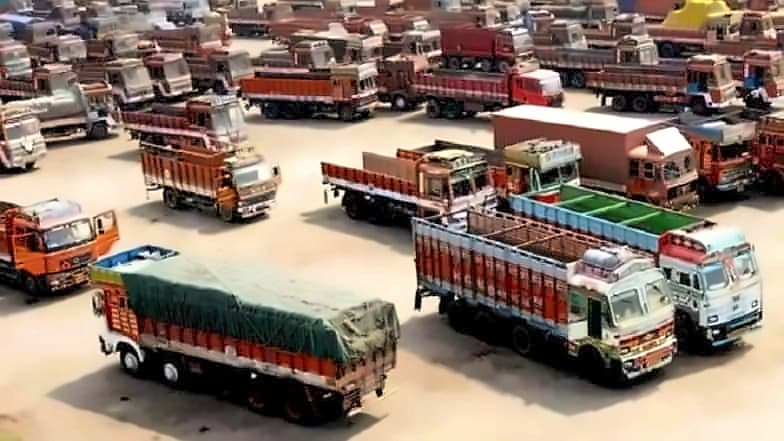
Trucks constitute less than 5% of India's vehicle fleet but account for nearly 40% of on-road fuel consumption, 44% of transport sector greenhouse gas emissions, and almost half of particulate matter and nitrogen oxide emissions from road transport. As reported by Business Standard, this translates into deteriorating air quality, rising public health costs, and growing environmental stress, particularly for communities located near major freight corridors. The recent crisis in West Asia serves as yet another reminder that India's dependence on imported fossil fuels remains a strategic vulnerability, with logistics costs accounting for nearly 8% of GDP, higher than global benchmarks.
The heavy industries ministry is developing a dedicated financing scheme for electric trucks and buses as India accelerates its decarbonisation efforts. According to reports from Mint, this scheme aims to reduce upfront costs of electric vehicles, which currently cost 2-2.5 times the price of diesel alternatives. Heavy commercial EVs remain capital-intensive, with fleet operators and state transport undertakings struggling to secure affordable financing due to concerns over battery life, resale value and vehicle utilization.
Trucks represent a small percentage of India's overall vehicle fleet at about 3%, but contribute approximately one-third of transport sector emissions. As reported by Mint, battery-powered zero-emission buses and trucks could significantly reduce emissions, supporting India's goal of becoming a net-zero emitter by 2070. The PM E-Drive scheme was the first central programme to offer incentives for electric trucks, earmarking ₹500 crore from its ₹10,900-crore outlay to support the deployment of 5,600 e-trucks. A recent study by the International Council on Clean Transportation (ICCT) highlights that electric trucks in India already emit 17-37% fewer greenhouse gases than comparable diesel trucks, with emissions reductions potentially rising to 85-88% as renewable energy share increases.
The scale of deployment gap remains substantial between India and global leaders. In 2025, India registered only around 566 medium- and heavy-duty electric trucks, compared with more than 320,000 conventional trucks. China, by contrast, registered approximately 1.19 million trucks, of which nearly 390,000 were electric — a 33% market share. According to Business Standard, the scale of deployment in China demonstrates that rapid electrification of freight transport is both technologically feasible and commercially viable when supported by the right policy framework. India needs a far more ambitious roadmap, with a dedicated incentive programme of approximately ₹5,000 crore combined with long-term policy certainty to achieve meaningful market scale.
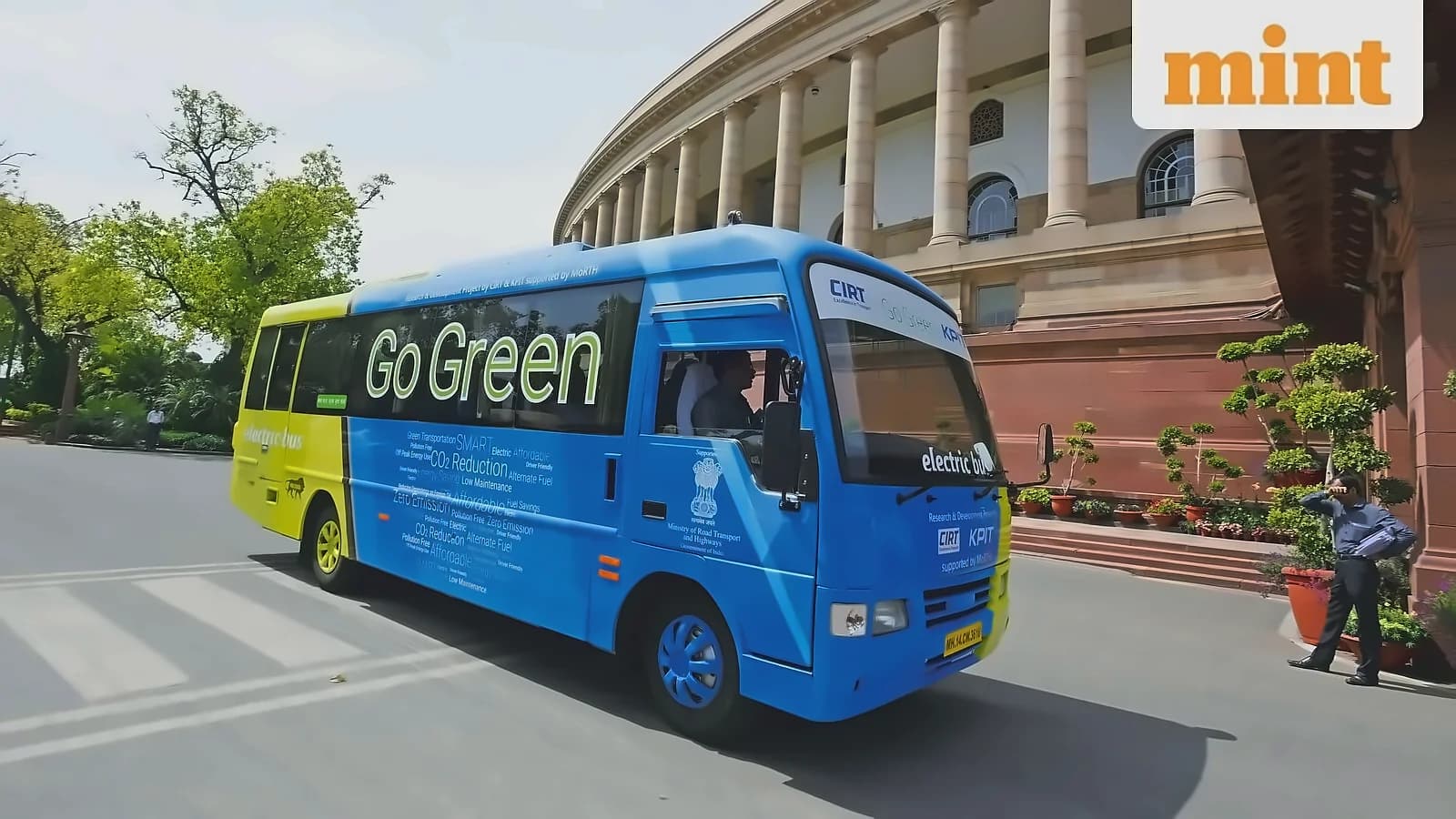
Electric bus demand in India has shown significant growth, with sales rising 37% year-on-year to 5,356 units in FY26, as reported by Mint citing Vahan data. While e-trucks remain a nascent market with sales of medium-and-heavy-duty electric trucks reaching about 840 units in FY26, the scheme addresses critical financing barriers. According to Business Standard, India will need a cumulative installed charging capacity of 9 GW by 2030, increasing 19 times to 171 GW by 2050 for its electric trucks. The initiative gains urgency amid energy security concerns, with India importing nearly 90% of its crude oil requirements.
According to experts cited by Business Standard, accelerating adoption of electric public and freight transport represents the next major phase of India's clean mobility transition. The transition to electric trucks is not merely an environmental imperative but an economic necessity, energy-security strategy, and pathway to making Indian logistics more efficient and globally competitive. Three policy interventions can accelerate this transition: strengthening fuel efficiency standards, phasing out diesel trucks in highly polluted urban regions, and expanding the PM E-DRIVE scheme with a more ambitious roadmap. The solution is clear: India must rapidly electrify its trucking sector to lead the next phase of clean transportation innovation while addressing the urgent pollution crisis affecting its cities and communities.