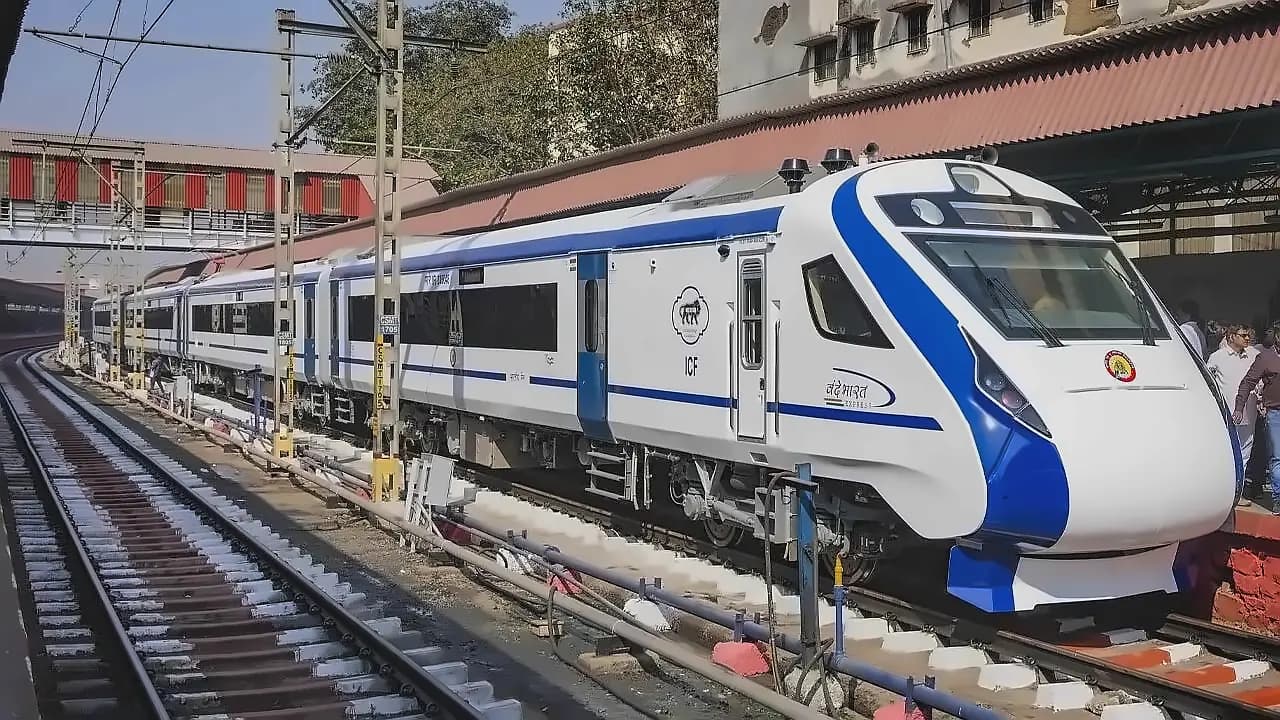
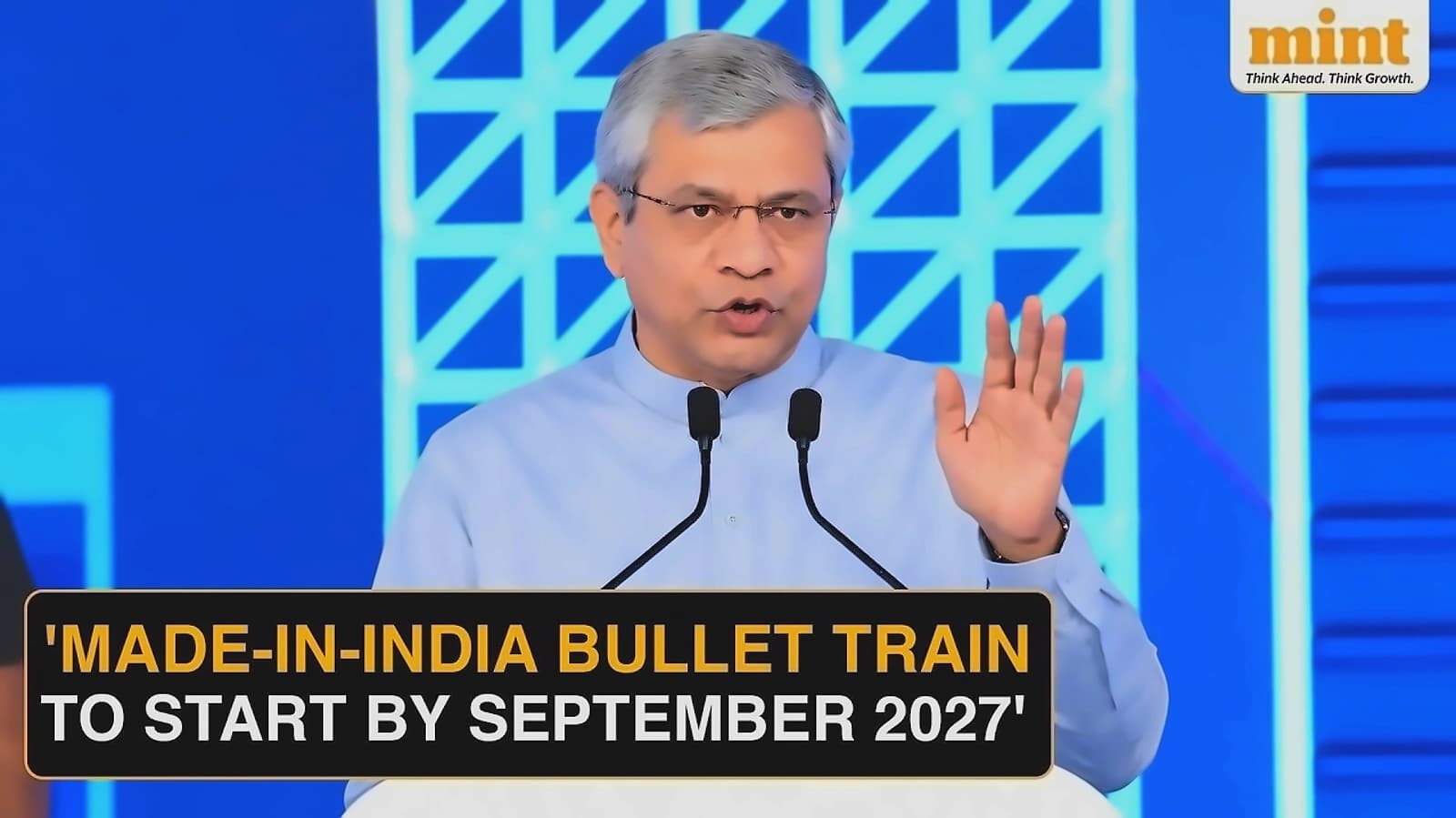
Railway Minister Ashwini Vaishnaw announced that India's next-generation bullet train is being planned with a top speed of 350 kilometres per hour. According to reports from Economic Times, work on the train's design is expected to commence within the next six months. This development follows the current B28 bullet train project, which is being jointly developed by BEML and the Integral Coach Factory (ICF) for speeds of up to 280 kmph. The minister emphasized that the new high-speed trains will feature special features to adapt them for India's diverse climates, with the Railway Board prioritizing safety while integrating new technologies during the current financial year.
The 508-kilometre Mumbai-Ahmedabad High-Speed Rail Corridor, launched in 2016, is currently under construction and is intended to support trains running at speeds of up to 320 kmph. As reported by Economic Times, the first phase of operations is expected to begin in August 2027. India's first bullet train is currently being manufactured by BEML and is likely to be ready by 2027, with the prototype expected to be completed early next year. The prototype will operate on a portion of the Mumbai-Ahmedabad High Speed Rail Corridor come August 2027.
According to Economic Times reports, the upcoming high-speed trains are being equipped with specialized features tailored to India's varied climatic conditions. Minister Vaishnaw stated that the Railway Board will prioritise safety while integrating new technologies during the current financial year. He noted that close to 70,000 kilometres of railway tracks have been laid over the past decade, with more than 80% of the national rail network now capable of supporting train speeds of up to 110 kmph.
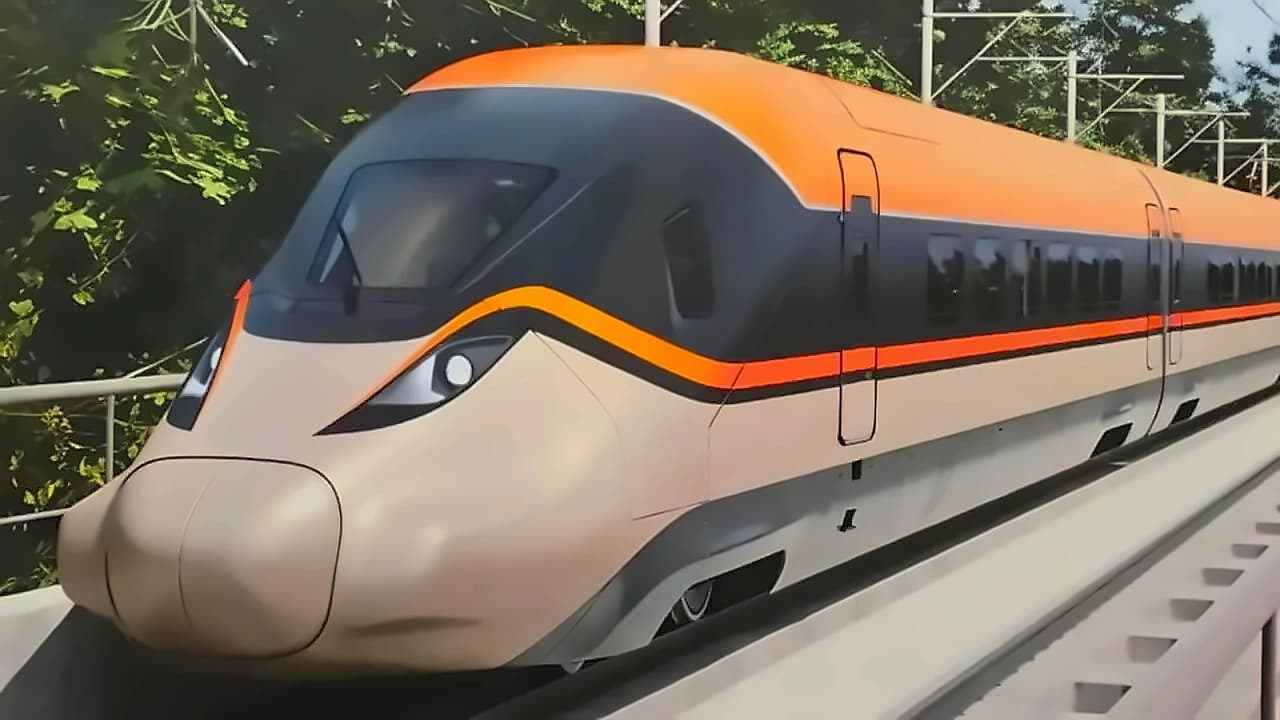
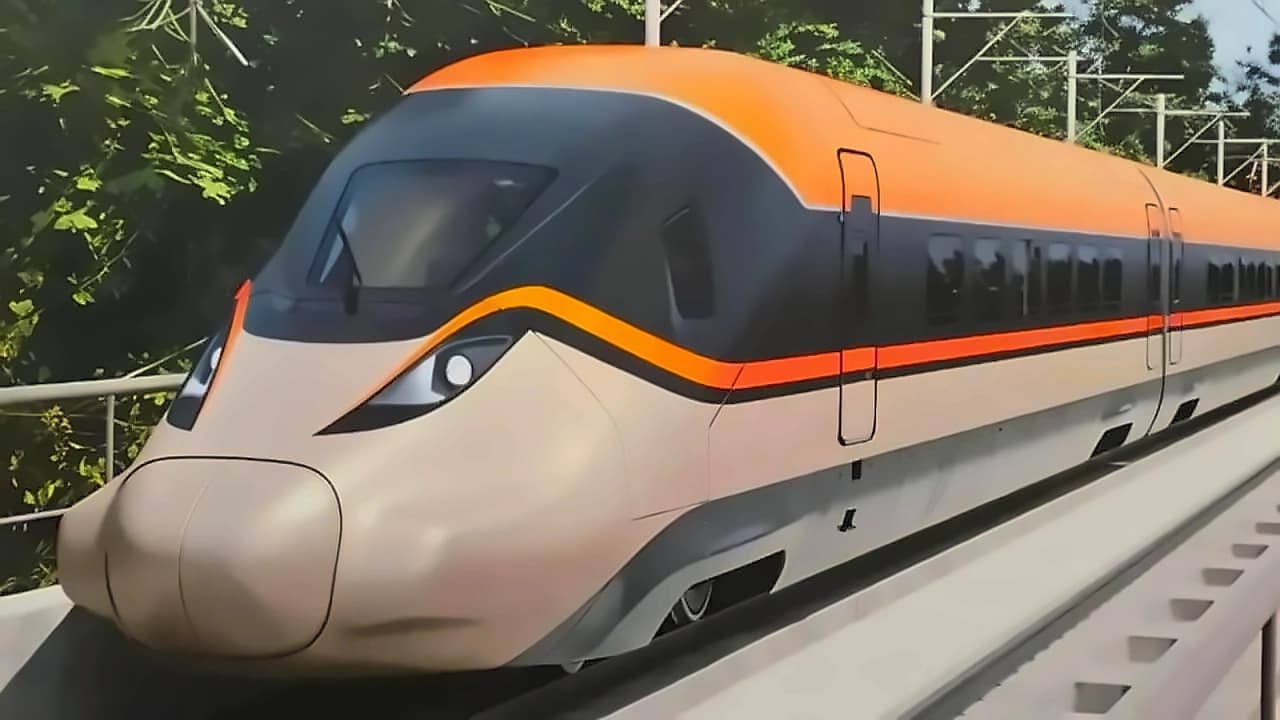
An image of the proposed design of India's first indigenous bullet train was displayed at Rail Bhawan earlier this week. As reported by Economic Times, the Railway Board clarified that the image represents design stage one, symbolic in nature and not the actual design of the train. The visual drew considerable attention from visitors, with many assuming it represented the first official glimpse of India's inaugural bullet train project scheduled for launch in August 2027.
Indian Railways is implementing comprehensive reforms to boost domestic cargo movement by rail, following Prime Minister Narendra Modi's call for lowering fuel consumption on road transit amid rising global crude oil prices triggered by tensions in West Asia. According to Economic Times, the Railway Board will simplify norms for boosting domestic container movement by rail, with extensive deliberations currently underway. The minister held meetings with trade delegations Tuesday to firm up required changes. Cement, automobile, and salt loading have registered significant growth, with reforms for fly ash transit next in line. Budget 2026-27 estimates railway earnings from cement to annually rise by 7% to ₹14,315.52 crore, while income from domestic containers is slated to grow 8% year-on-year to ₹3,800.16 crore.