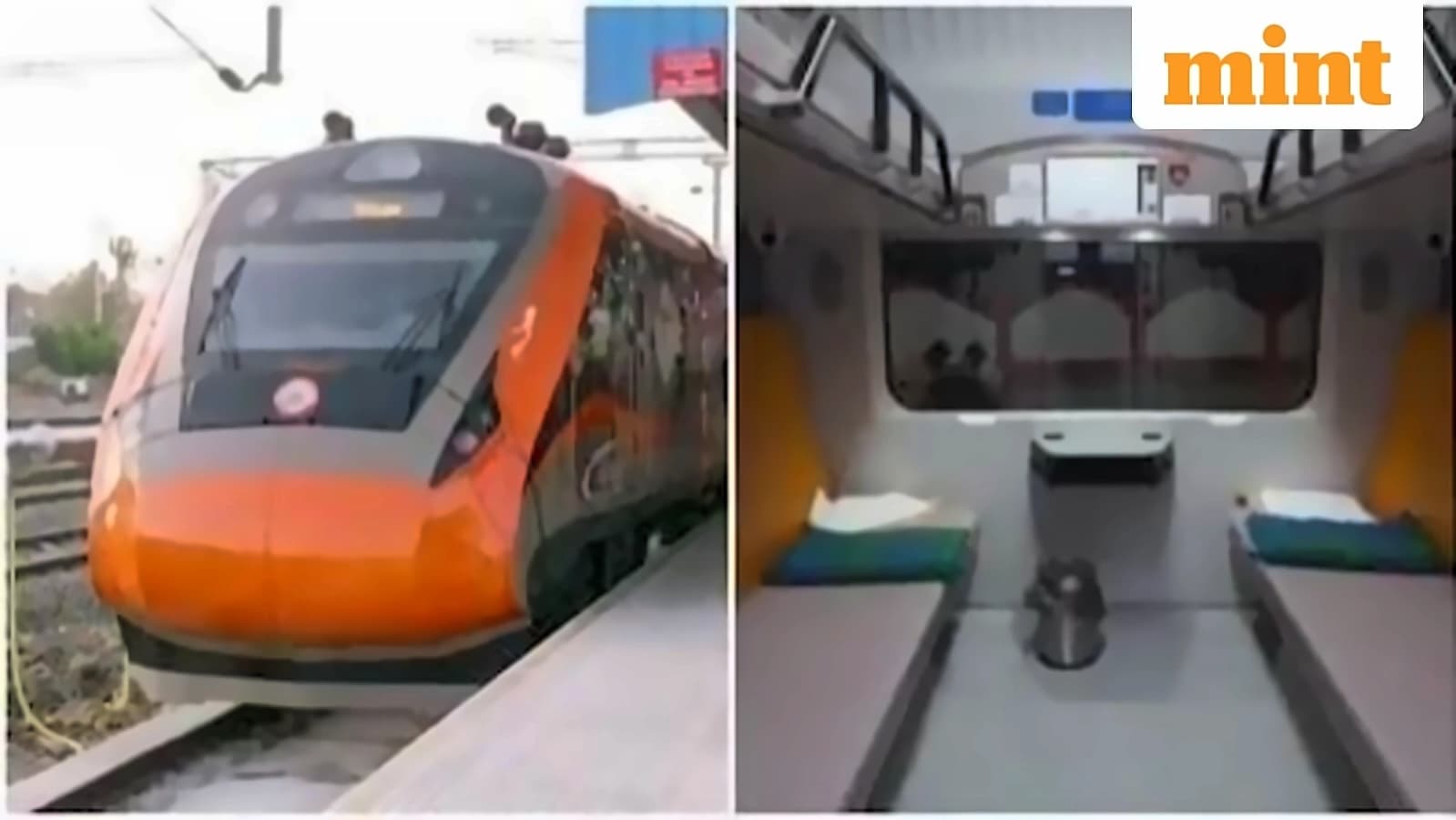
A proposed bullet train corridor would significantly reduce travel times across major Indian cities, according to Railway Minister Ashwini Vaishnaw. The corridor would link Delhi with major cities in Uttar Pradesh and Bihar, including Agra, Kanpur, Lucknow, Prayagraj, Varanasi and Patna. Under the proposal, the 200-kilometre Delhi-Agra journey would be covered in 58 minutes, while the 455-kilometre Delhi-Kanpur route would take 1 hour and 50 minutes. The detailed estimate for Delhi-Lucknow (495 kilometres) is 2 hours and 12 minutes, with Prayagraj reachable in 3 hours covering an estimated 750 kilometres. The 945-kilometre journey to Varanasi would take around 3 hours and 33 minutes, and Patna, located 1,170 kilometres along the proposed journey, would be reachable in 4 hours and 30 minutes. With a design speed of 350 km/h and operational speed of 320 km/h, this corridor will boost tourism, economic growth, and reduce congestion on the existing railway network.
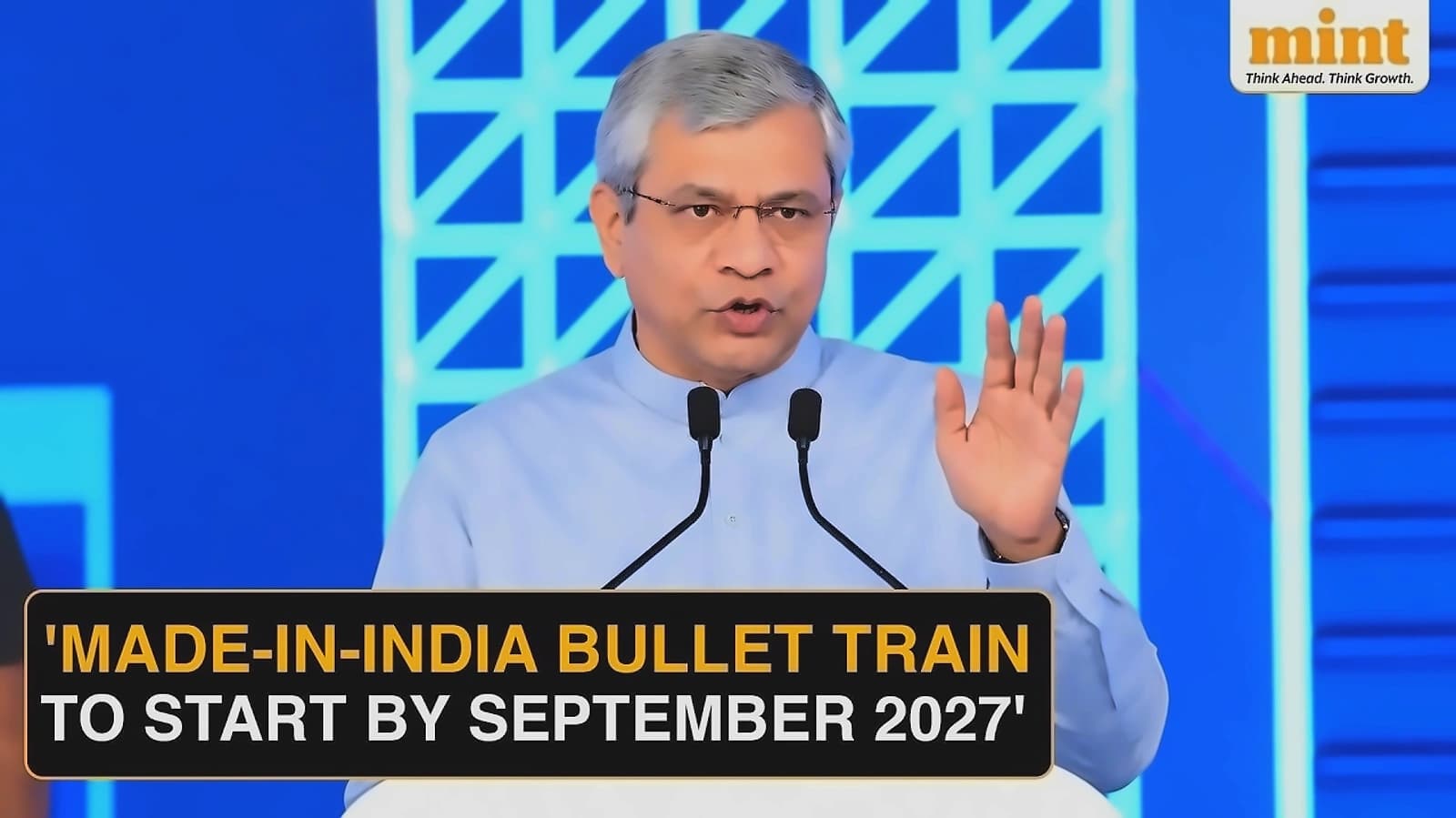
Testing for India's own bullet train is expected to start by May or June 2027, as announced by Minister Vaishnaw. The minister said that testing would continue for 2-4 months before the train's inauguration, with Prime Minister Narendra Modi expected to inaugurate the service after testing. Speaking at the 'NaMo for Viksit Bharat' event, Vaishnaw reported progress on the train's construction, stating that its first body frame was recently completed and sent for a squeeze test. Construction on the Surat-Vapi section is expected to finish by December, with the minister noting that work on the wider bullet train project was moving rapidly.
The proposed bullet train corridor is expected to boost tourism, trade, and economic activity across the Delhi-Uttar Pradesh-Bihar region, according to Minister Vaishnaw. The minister described the proposal as a possible next phase after the Mumbai-Ahmedabad corridor, highlighting that if realised, it would connect the national capital with several cities across both states. Faster journeys could improve access to major destinations and encourage wider economic activity, with the project expected to benefit passengers and encourage tourism across the region. The corridor will connect major pilgrimage sites like Agra, Prayagraj, and Varanasi, enabling tourists to visit multiple sites in one trip. Better connectivity fosters economic activity and labour mobility, with cities along the route benefiting from investment and development. The 1,170-kilometre high-speed rail corridor represents a significant infrastructure development that extends the network in the Indo-Gangetic region, with single-day travel becoming possible for long distances.
Minister Vaishnaw highlighted completed projects and ongoing infrastructure developments during his announcement. He noted that 280 stations had been redeveloped and 36,000 kilometres of new tracks had been built. The minister also outlined changes across railway operations, including new wagon designs with a special design for transporting salt and cargo trains using Vande Bharat technology that were nearing completion. He emphasized that the government was reforming and modernising everything--from operating systems and reservation systems to old construction protocols.
The 1,170-kilometre high-speed rail corridor connecting Delhi, Uttar Pradesh, and Bihar represents a significant infrastructure development that extends the network in the Indo-Gangetic region. The corridor will reduce travel time dramatically between major cities, making single-day travel possible for long distances. Better connectivity enables faster movement of people and goods, with Indian startups in travel, logistics, and tourism benefiting significantly. Agri-tech startups can use faster logistics for perishable goods, with faster transport reducing spoilage of agricultural produce and making export of fresh produce more competitive. E-commerce platforms can expand reach while cold chains become more viable, improving the competitiveness of India's agricultural and export sectors. The corridor addresses the heavily congested Delhi-Uttar Pradesh-Bihar route during festivals like Diwali and Chhath Puja, with a separate fast track reducing this burden.