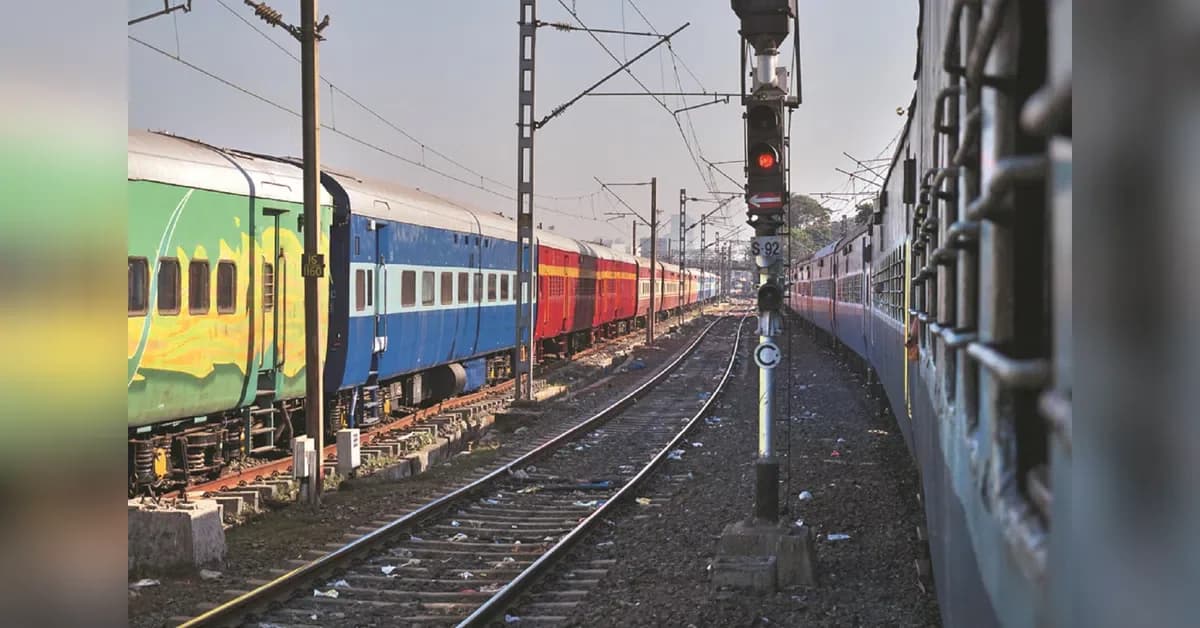
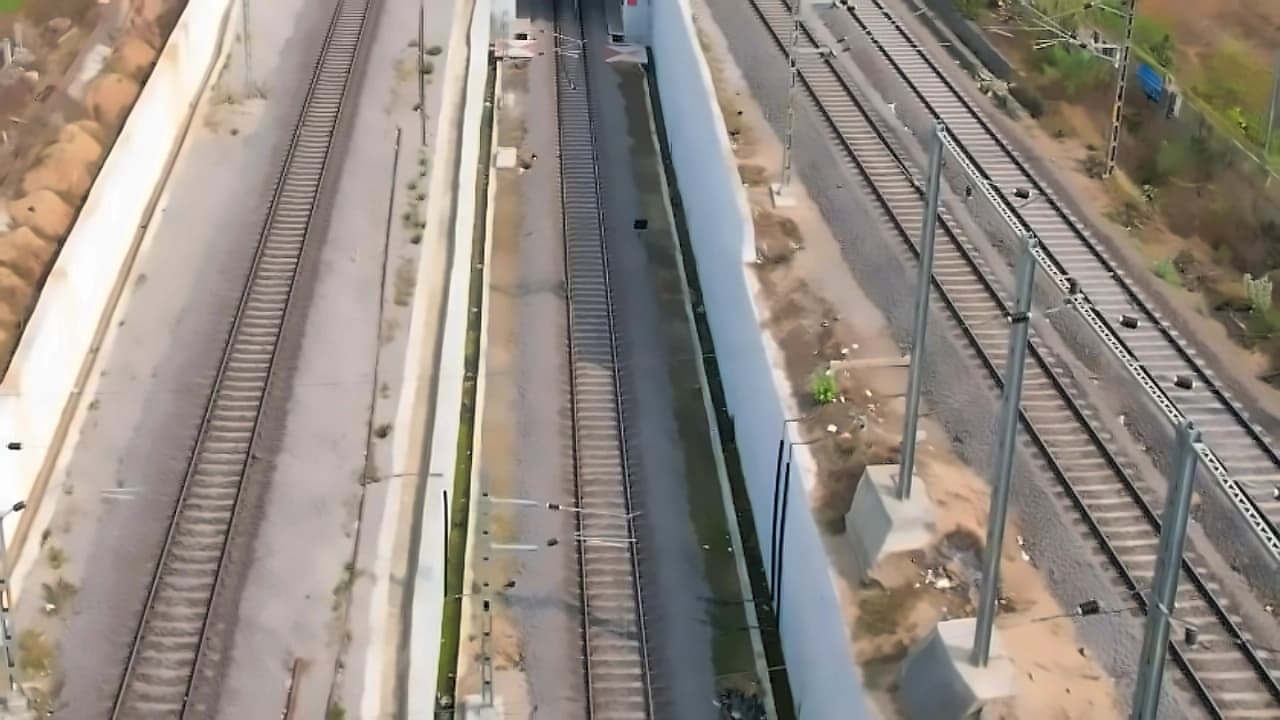
Indian Railways has achieved a remarkable transformation in its high-speed railway infrastructure over the past decade. According to recent Ministry of Railways data, the length of railway tracks capable of speeds of 130 kmph and above increased nearly five-fold from 5,036 track km in 2014 to 24,173 track km by early August 2026. This represents an almost 5 times increase in the share of tracks in the 130 kmph-and-above category, accounting for 22.5% of the network compared to just 6.3% in 2014. The expansion has been complemented by significant improvements in the 110-130 kmph category, which rose from 26,409 km in 2014 to 62,036 km in February 2026, bringing the total network share to more than 80% with sectional speed potential of 110 kmph or above.
The railway network's speed potential improvement has been attributed to comprehensive track and maintenance upgrades. As reported by the Ministry of Railways, about 54,600 km of railway tracks were renewed between 2014 and February 2026, with upgrades based on factors including track age, traffic load and condition. Key improvements include the use of thicker rails and switches, longer welded rail panels, improved welding technology, mechanised track maintenance, rail-grinding machines and advanced monitoring systems. The Track Management System has been integrated to improve maintenance planning through web-enabled track inspection and maintenance data integration.
Despite infrastructure improvements, railway punctuality remains a concern with overall punctuality at 77.24% in 2025-26 up to February 2026, as reported by the Ministry of Railways. Only 3 zones recorded punctuality above 90%, while 24 railway divisions achieved punctuality between 80% and 90%. The punctuality rate has shown gradual improvement from 73.62% in 2023-24 to 77.12% in 2024-25. Railways attributes the improvement to real-time monitoring, timetable rationalisation, scientific analysis of train schedules, integrated maintenance blocks, high-capacity locomotives and advanced IT systems. To address fog-related delays, 29,848 GPS-based Fog Safe Devices have been provided to locomotive pilots as of January 31, 2026.
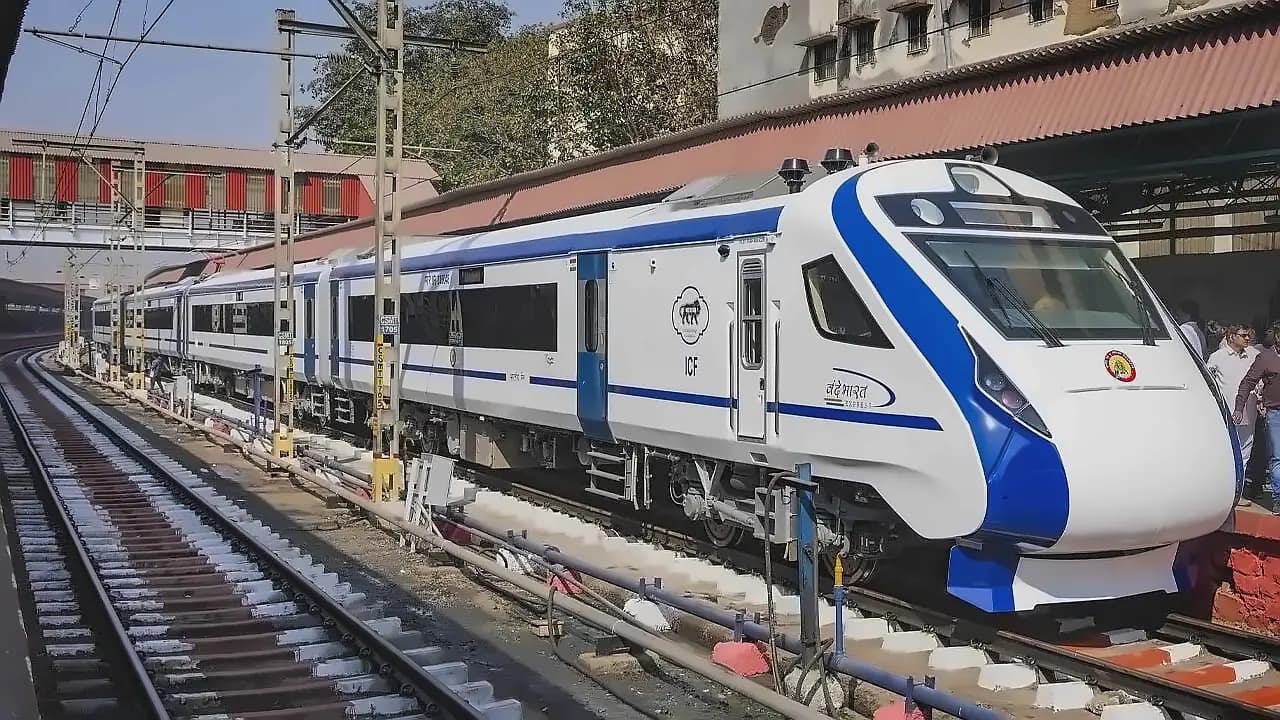
India's first bullet train is taking shape with the Mumbai-Ahmedabad corridor introducing several technologies that are new to the country's railway network. The 508-km corridor from Bandra-Kurla Complex (BKC) in Mumbai to Sabarmati in Ahmedabad is expected to be completed by December 2029. The train will be capable of speeds of up to 320 kmph, making routine operations such as changing tracks a complex engineering challenge. The National High-Speed Rail Corporation Ltd (NHSRCL) is using canted turnouts to allow trains to switch tracks smoothly while maintaining the track's banking, designed to reduce sudden forces, vibration and discomfort when the train changes tracks at high speed. This technology represents a significant advancement in India's railway infrastructure capabilities.