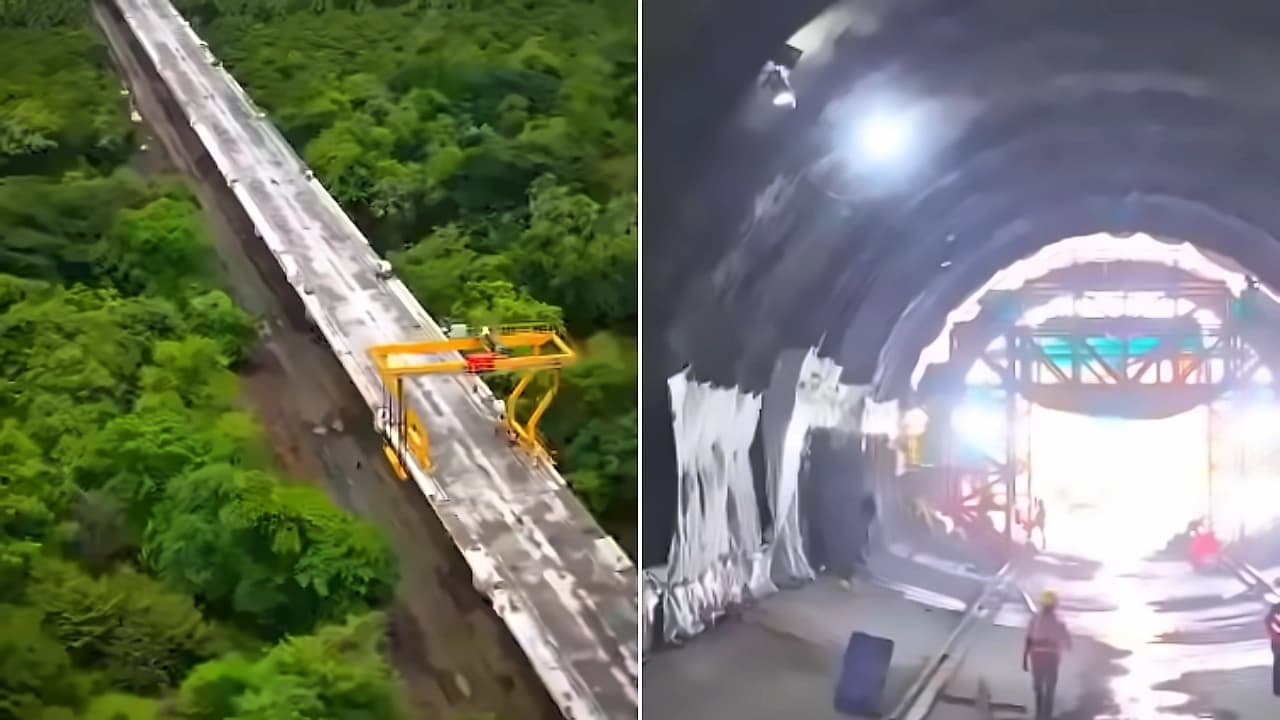
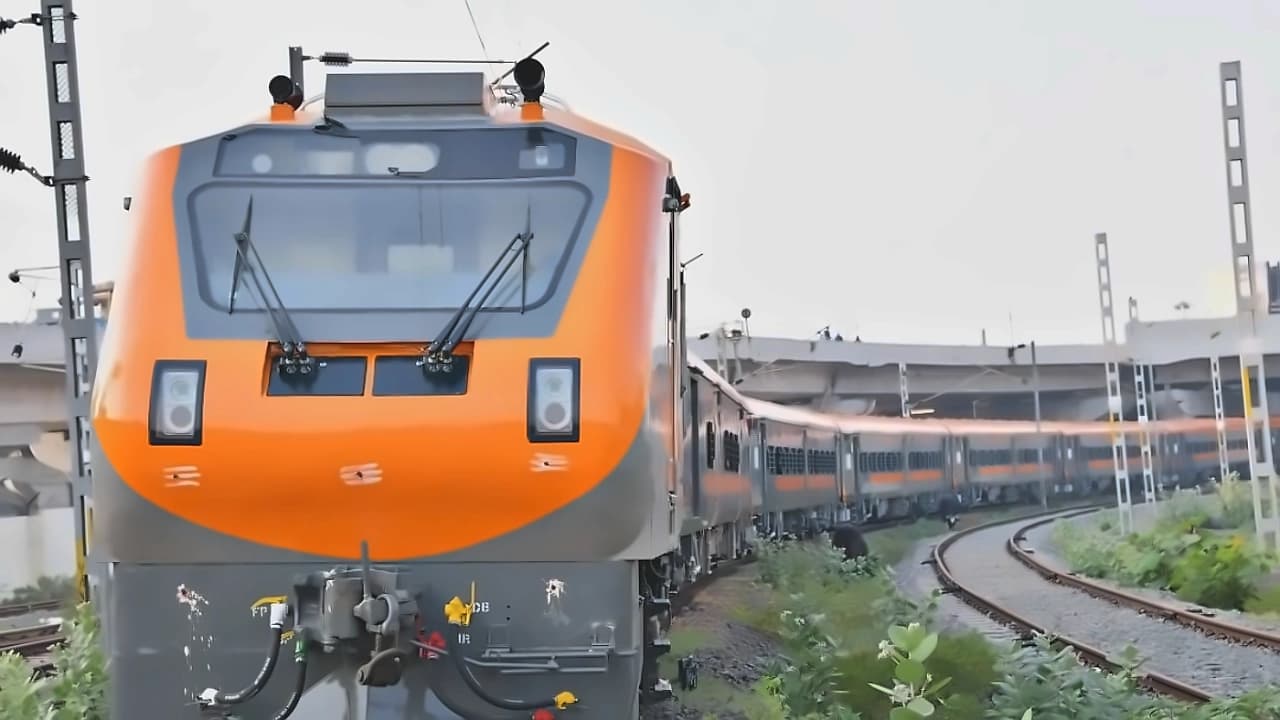
Indian Railways is set to launch its ₹866.87 crore high-speed bullet train project by early 2027, marking a significant milestone after the initiative was first launched in 2017. According to reports from The Times of India, the project has nearly doubled in cost over the decade-long development period, with the first prototype rollout scheduled for March 2027 for extensive testing by RDSO. The Mumbai-Ahmedabad corridor will become India's first high-speed rail corridor, with the Surat–Bilimora section expected to become operational by August 2027.
Integral Coach Factory (ICF), Chennai, has awarded BEML Limited a contract worth ₹866.87 crore to design, manufacture and commission two prototype bullet train sets. As reported by The Times of India, each trainset will comprise eight coaches with a design speed of 280 kmph, capable of crossing speeds of 250 kmph. The trains are codenamed B-28 train sets and will be built using advanced precision-driven technologies, featuring fully air-conditioned chair-car coaches with world-class passenger amenities, advanced onboard infotainment systems, and reclining rotatable seats. Manufacturing has already commenced at BEML's dedicated 'Aditya' High-Speed Rail Complex in Bengaluru.
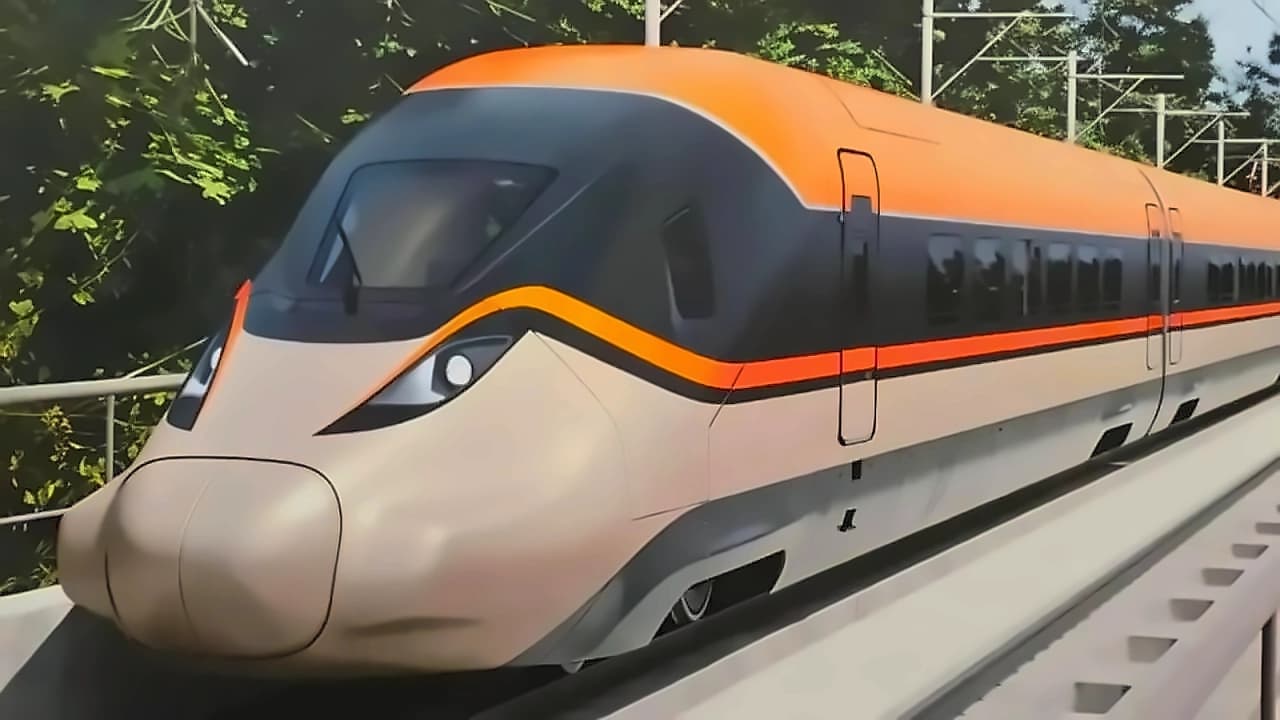
The bullet train programme represents an engineering leap for India as building high-speed trains requires capabilities substantially different from traditional LHB coaches. According to The Times of India, the trains must be engineered to maintain smooth ride quality while traveling at very high speeds, with bodies combining strength with low weight while wheels and suspension systems provide stability. The control systems need to operate at significantly higher levels for safety and passenger comfort, including during sudden air pressure changes. Indian Railways plans to manufacture the bullet trains using stainless steel, with Railway Minister Ashwini Vaishnaw indicating that next-generation bullet trains will operate at speeds of 350 kmph.
The Mumbai-Ahmedabad bullet train project is part of Indian Railways' broader high-speed rail expansion plans, with the Union Budget announcing seven additional high-speed rail corridors. As reported by The Times of India, the proposed routes include Mumbai-Pune (48 minutes), Pune-Hyderabad (1 hour 55 minutes), Hyderabad-Bengaluru (2 hours), Hyderabad-Chennai (2 hours 55 minutes), Chennai-Bengaluru (1 hour 13 minutes), Delhi-Varanasi (3 hours 50 minutes), and Varanasi–Siliguri via Patna (2 hours 55 minutes). Developing domestic bullet train manufacturing capabilities will help meet the rolling stock requirements of these proposed corridors in a cost-effective manner.