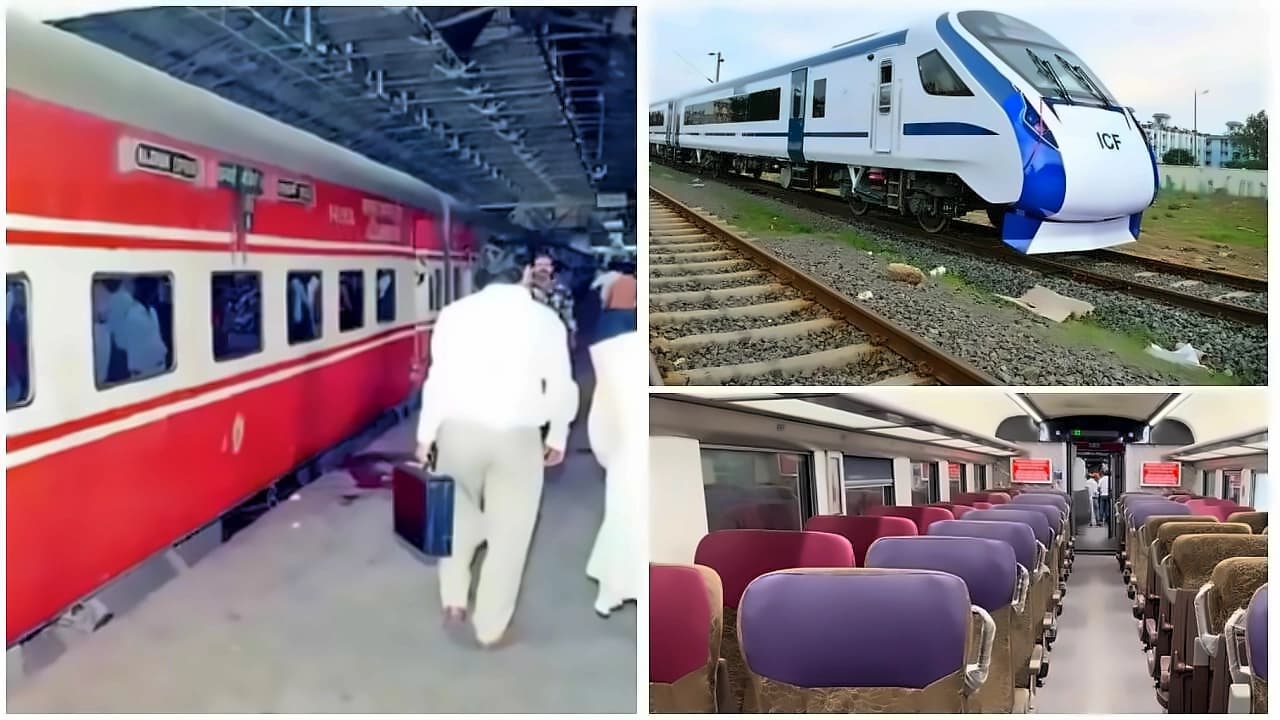
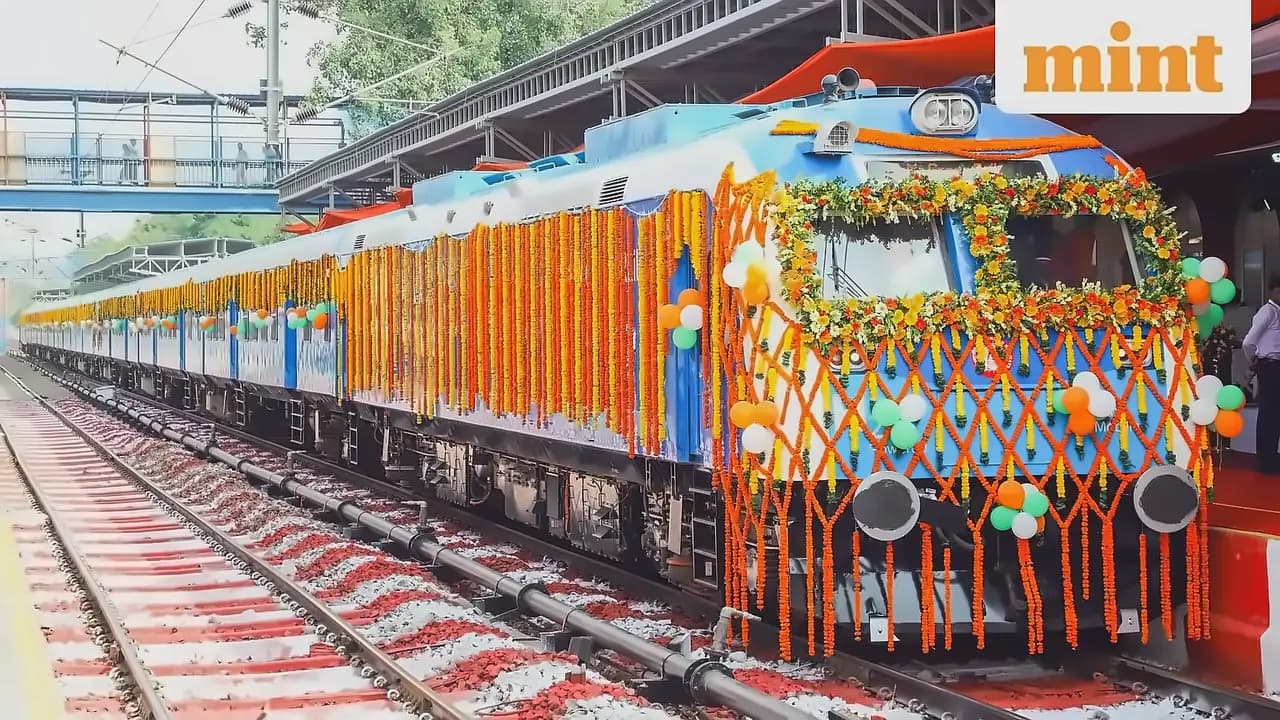
Indian Railways is advancing its hydrogen train technology with plans to operate the country's first hydrogen-powered train at 110 kmph after successfully completing trials at 120 kmph, according to Railway Board Chairman and CEO Satish Kumar. As reported by PTI, Kumar told reporters in Indore that "the operational speed of the hydrogen train has so far been kept at 75 kmph. However, trials have been completed for a speed of 120 kmph. After that, efforts are now underway to operate it at a maximum speed of 110 kmph." The hydrogen fuel cell trainset generates electricity on board through a chemical reaction between hydrogen and oxygen, producing only water vapour and heat as by-products without combustion, smoke, or tailpipe carbon emissions. India's first hydrogen train has already clocked more than 2,500 km of commercial operations since its flagging off in July this year on the 89-km Jind-Sonipat route in Haryana. The current 10-coach train can carry around 2,600 passengers and operates from key stations including Jind Junction, Gohana Junction and Sonipat, with intermediate halts at Pandu Pindara, Jind City, Butana, Bhambhewa, Khandari, Lath and Mohana.
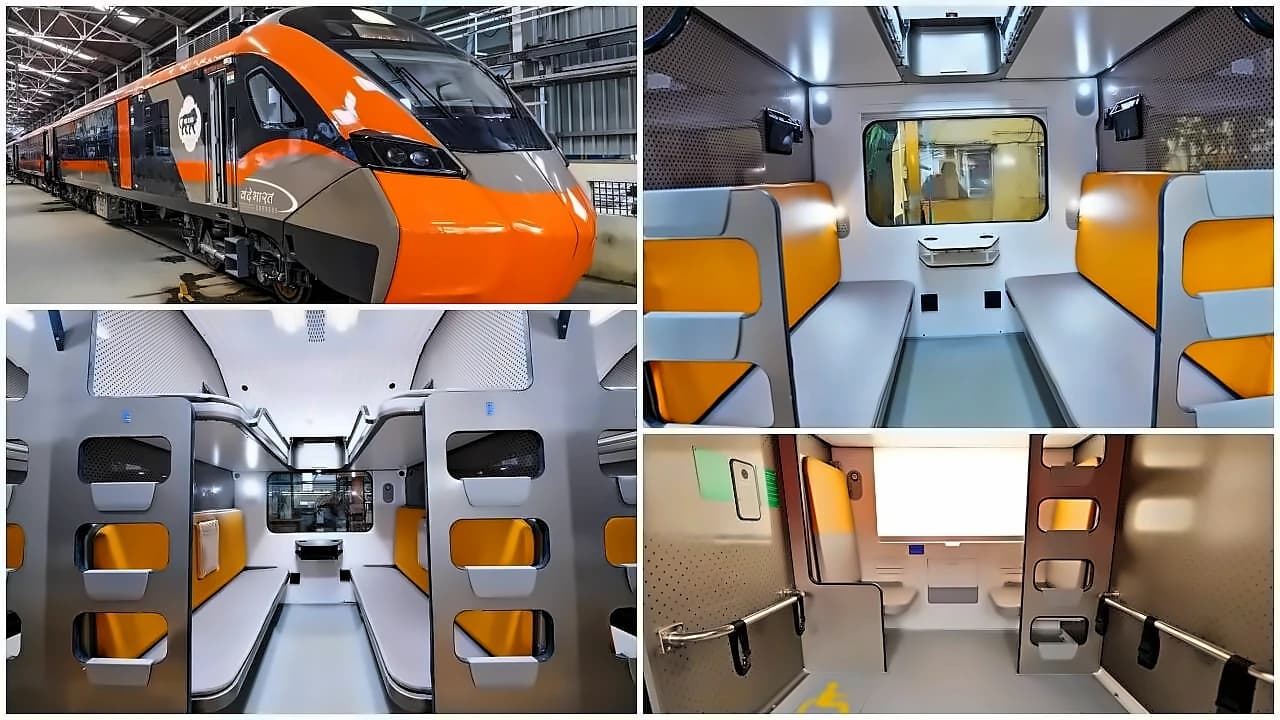
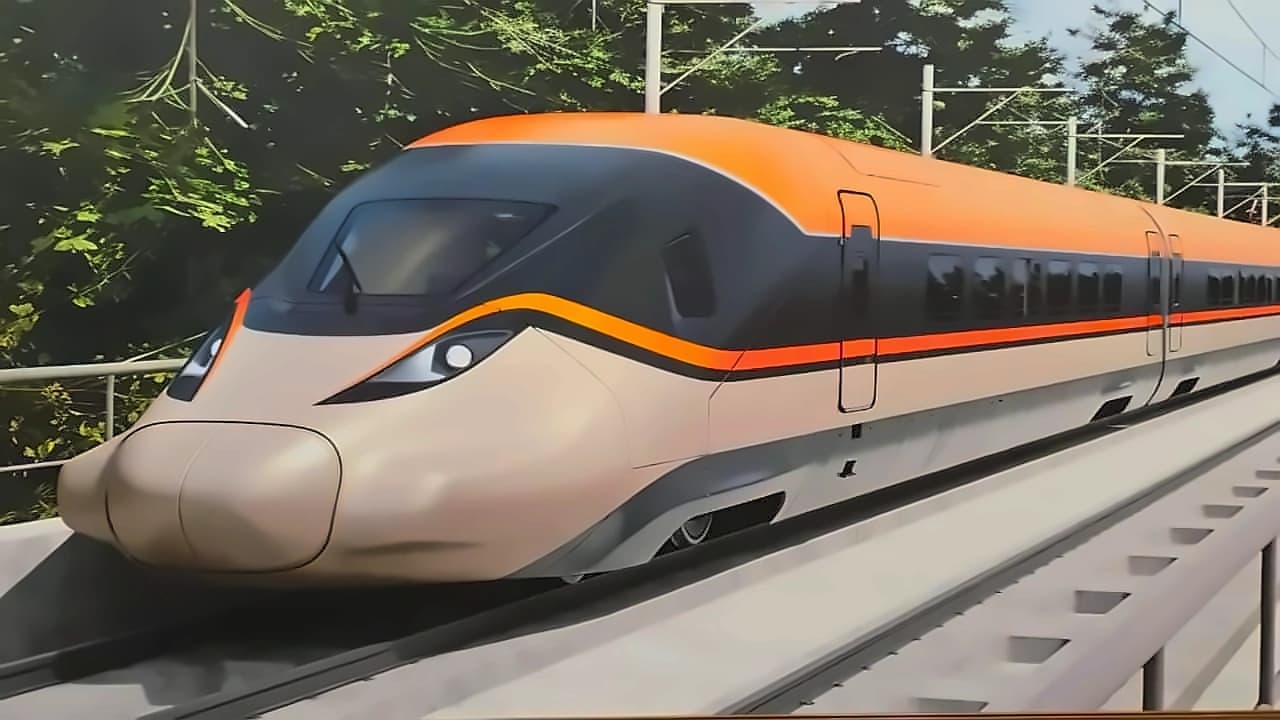
The Railways is significantly expanding its Vande Bharat sleeper services with four additional trains currently undergoing formal inauguration, bringing the total to five operational trains. According to PTI, Kumar confirmed that "four more such trains had been completed and would be formally inaugurated in the coming days." The country's first Vande Bharat sleeper express is currently operating between Howrah and Kamakhya (Guwahati), while the Railways expects to receive 11 more Vande Bharat sleeper trains this year. As many as 200 Vande Bharat sleeper trains are being manufactured under the public-private partnership (PPP) model, with each train requiring one to one-and-a-half years for completion. The Railway Board has provided updated timelines, confirming that each train requires approximately 12 to 18 months for complete assembly, with the broader plan underway to build 200 Vande Bharat sleeper trains through the PPP model.
Railway officials are implementing several technological improvements including artificial intelligence integration with CCTV cameras to enhance security at railway stations and on trains. As reported by PTI, Kumar confirmed that "artificial intelligence (AI) was being integrated with CCTV cameras to enhance security at railway stations and on trains." The ₹18,500-crore Indore-Manmad railway line, approved in the 2024-25 financial year, is progressing rapidly with land acquisition for the project expected to be completed in four to five years. Kumar, along with senior officials, reviewed several railway projects in and around Indore, including construction of various rail lines, redevelopment of Indore railway station and other infrastructure works. Railways officials are in talks with stakeholders to shortlist routes suitable for hydrogen operations, while simultaneously working out the technical framework and logistics needed to guarantee a reliable hydrogen fuel supply, the board chief said.
According to Railway Board Chairman Satish Kumar, the Railways is planning to operate 100 to 125 special trains for the Simhastha festival to be held in Ujjain in 2028, with infrastructure strengthening currently underway for the large religious gathering. As reported by PTI, Kumar said steps were being taken to address the problem of rats in trains, along with strengthening existing systems. The country targets to deploy 35 hydrogen trains on heritage routes that do not support railway electrification, with consultations ongoing to determine optimal deployment locations. Prime Minister Narendra Modi had previously flagged off India's first hydrogen-powered train on July 17, which operates on the 89-km Jind-Sonipat route in Haryana. The hydrogen train operates differently from conventional electric trains by generating electricity on board through chemical reactions rather than drawing power from overhead lines, representing a shift toward sustainable rail travel.