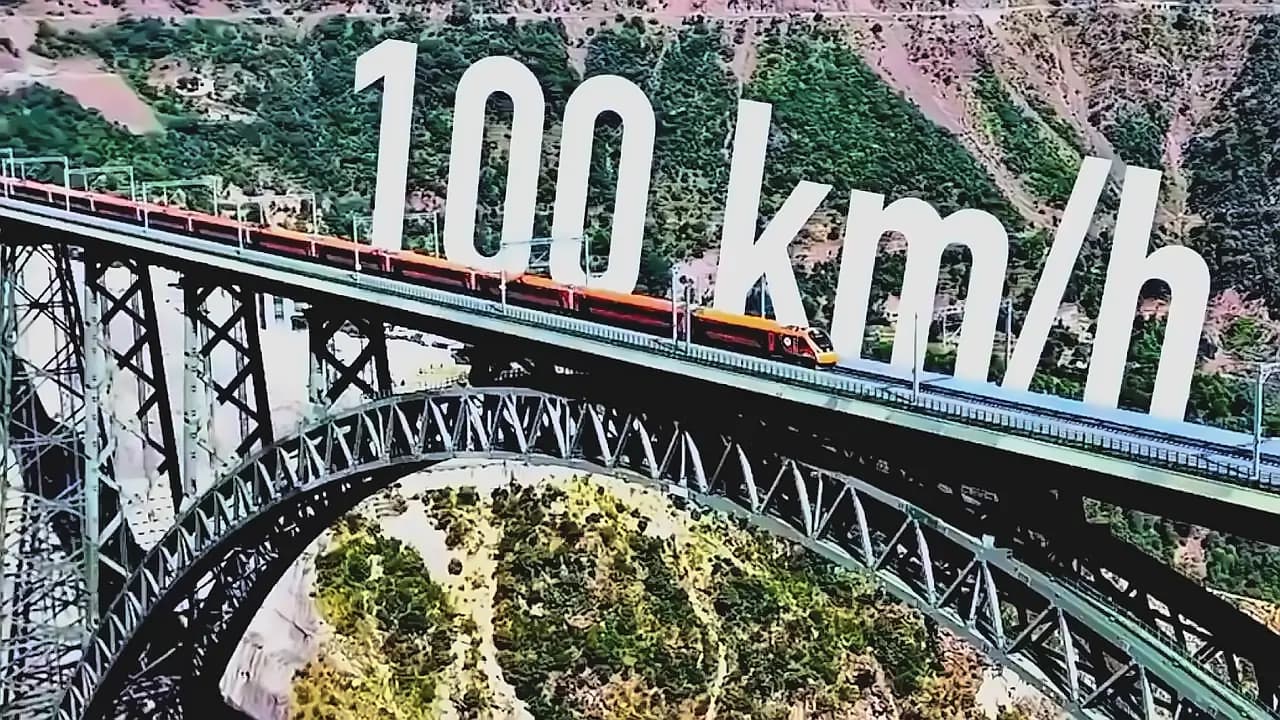
India's infrastructure expansion has delivered dramatic travel time reductions across multiple modes, with bridges, tunnels, expressways and railways replacing long detours and slower routes with more direct connections. According to the latest government factsheet, bridges have made the biggest differences where rivers once added hours to journeys. The Bhupen Hazarika Setu reduced travel time between Rupai in Assam and Meka/Roing in Arunachal Pradesh from six hours to one hour, while the Bogibeel Bridge cut the Dhemaji-Dibrugarh journey from almost an entire day to around one to two hours. The Atal Setu has reduced the Mumbai-Navi Mumbai journey from about two hours to around 20 minutes, demonstrating how infrastructure investments are transforming connectivity nationwide.
As reported by The Times of India, Vande Bharat Express introduced several technological firsts for Indian Railways. The 16-coach all air-conditioned train set can accelerate from 0 to 100 kmph in 52 seconds, reducing journey times by up to 45% on several corridors. Key features include European-style seats, automatic doors, GPS-based passenger information systems, onboard infotainment, and 90% localization in manufacturing. The train incorporates KAVACH, India's indigenously developed Automatic Train Protection system, and operates with linear induction motors for jerk-free acceleration and deceleration. According to Sudhanshu Mani, retired ICF GM and architect of Vande Bharat Express trains, "Vande Bharat is a train set and it matches a trend world over where trains are mostly run without a locomotive. Vande Bharat brought in a new technology for Indian Railways - a train that could run at 180 kmph, upgradable to 200 kmph."
Vande Bharat services have delivered unprecedented time savings across key routes. The New Delhi-Varanasi service is around 40-50% faster than earlier services, while the Katra-Srinagar service saves two to three hours. The Banaras-Khajuraho train saves around two hours and 40 minutes, and the Ernakulam-Bengaluru service saves more than two hours. The Vande Bharat Sleeper between Howrah and Guwahati has reduced the journey from around 17 hours to about 14 hours with 16 air-conditioned coaches carrying around 823 passengers. These improvements complement the 2026 railway timetable that has speeded up 549 trains across the network, with 20 trains gaining at least 60 minutes, 48 gaining 31-59 minutes, 105 gaining 16-30 minutes and another 376 made five to 15 minutes faster.
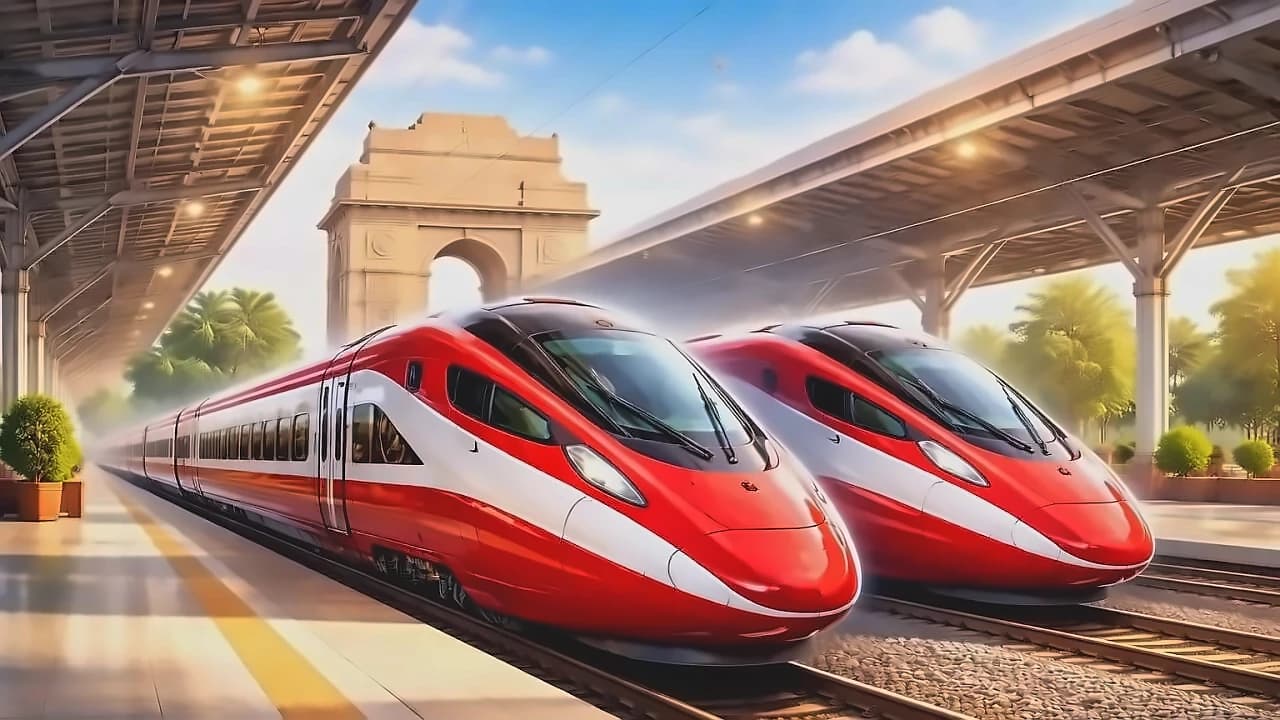
As reported by The Times of India, India is now developing its own high-speed train set capable of 280 kmph speeds. The indigenously designed bullet train is currently being manufactured by BEML and is expected to be rolled out for trials in early 2027. The ₹866.87 crore contract covers making two prototype bullet trains for the Mumbai-Ahmedabad high-speed rail corridor, with the first part scheduled to open in August 2027. The 508-km Mumbai-Ahmedabad High-Speed Rail Corridor is designed for an operational speed of 320 kmph and is expected to bring the journey down to around one hour and 58 minutes, featuring 12 stations and including India's first undersea rail tunnel, around 7 km beneath Thane Creek. The government has announced seven high-speed rail corridors covering nearly 4,000 km, with estimated investment of ₹16 lakh crore, including routes from Delhi-Varanasi, Varanasi-Patna-Siliguri, Chennai-Bengaluru, Bengaluru-Hyderabad, Chennai-Hyderabad, Mumbai-Pune and Pune-Hyderabad.
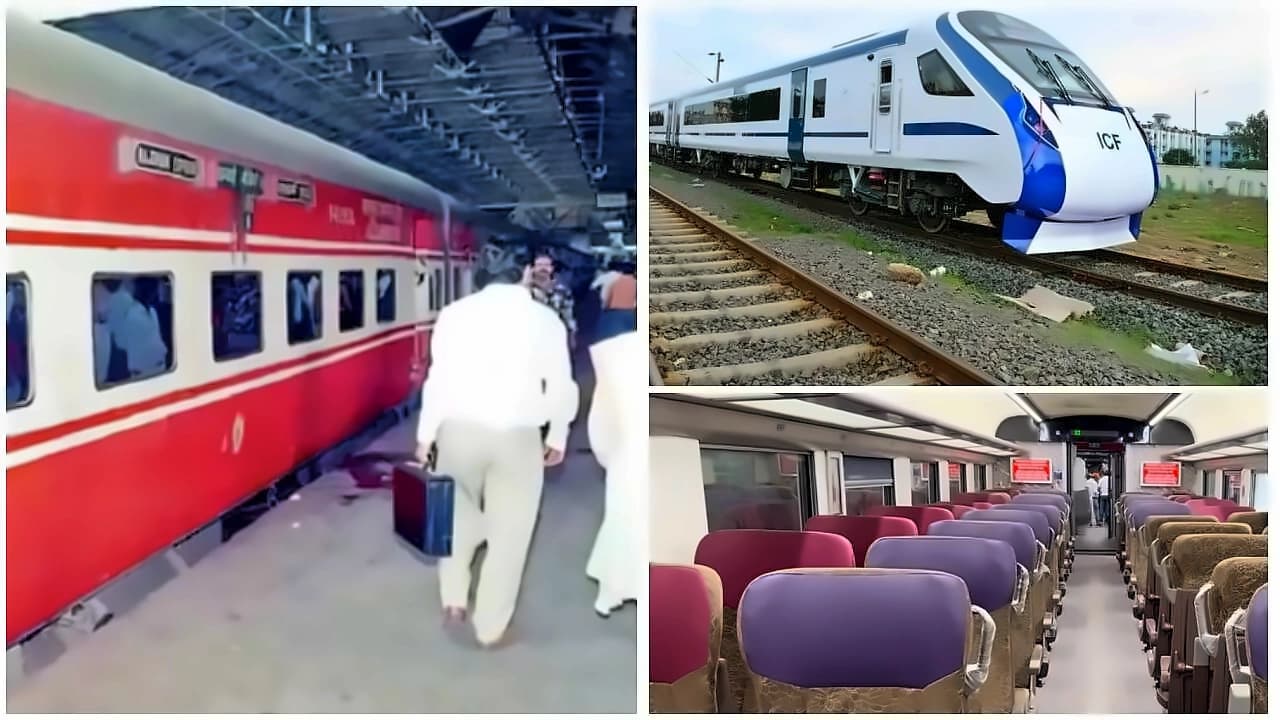
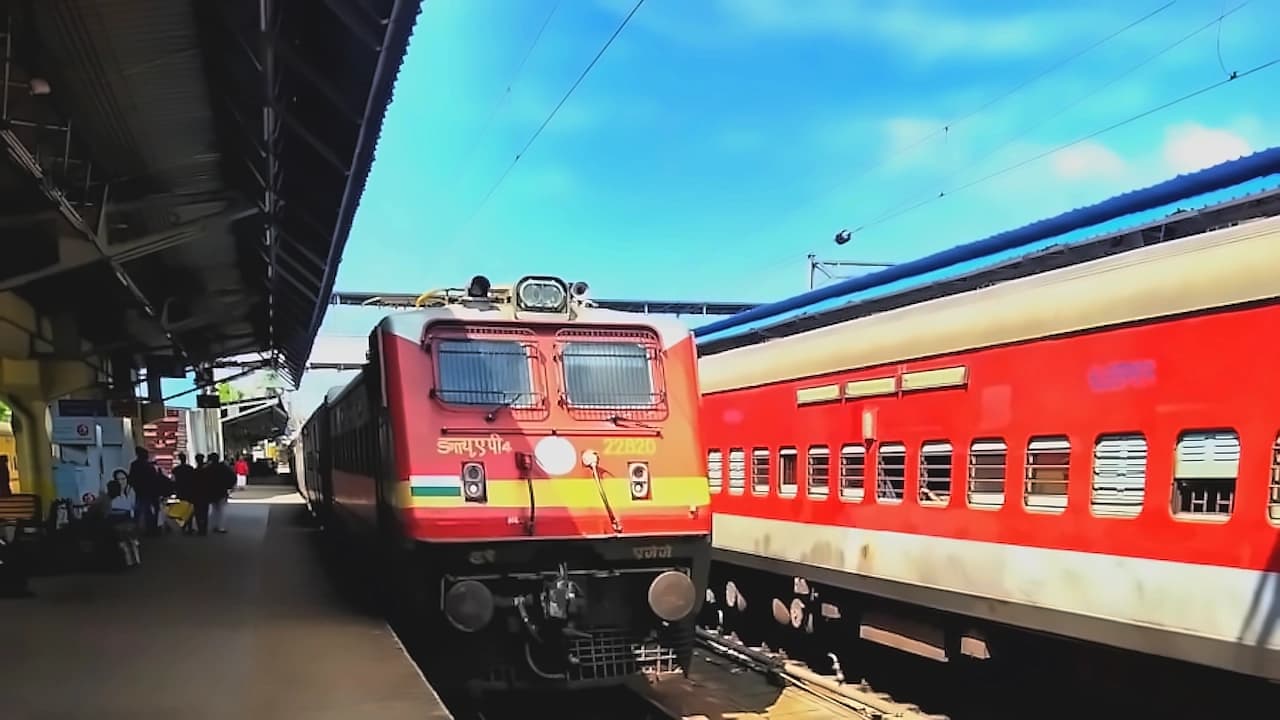
According to The Times of India, the journey from ICF design coaches to LHB technology and now Vande Bharat Express represents a progression toward global standards. G Raghuram, Advisor at The Infravision Foundation, describes Vande Bharat Express as the third big leap post independence in passenger train operations, following ICF design coaches to LHB coaches, and now distributed power self-propelled train sets. The train's mechanical design focuses on improving ride quality through semi-permanent jerk-free couplers, improved suspension systems, centrally controlled automatic plug doors, and fully sealed wider gangways that integrate coaches into a single trainset. The biggest technological advancement lies in the linear induction motors, which distribute power for quicker acceleration and deceleration, eliminating the transmission lag found in locomotive-powered trains. As Sudhanshu Mani explains, "The power is distributed which makes acceleration and deceleration quicker. This enhances the average speed of the train. Additionally, the distributed power makes the ride jerk-free."