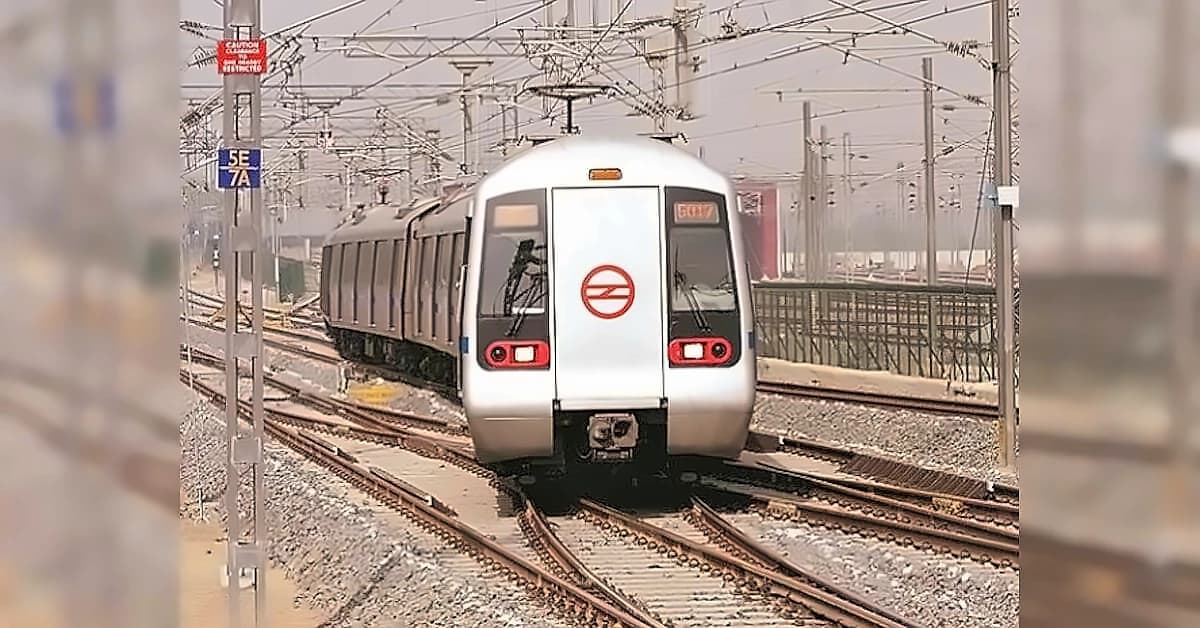
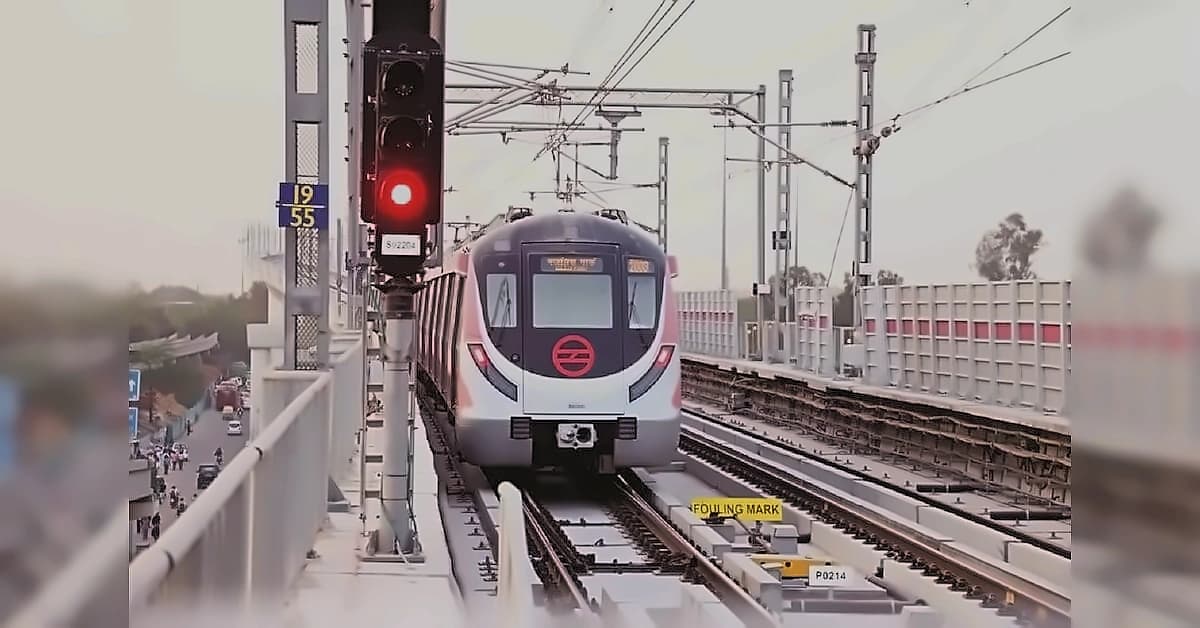
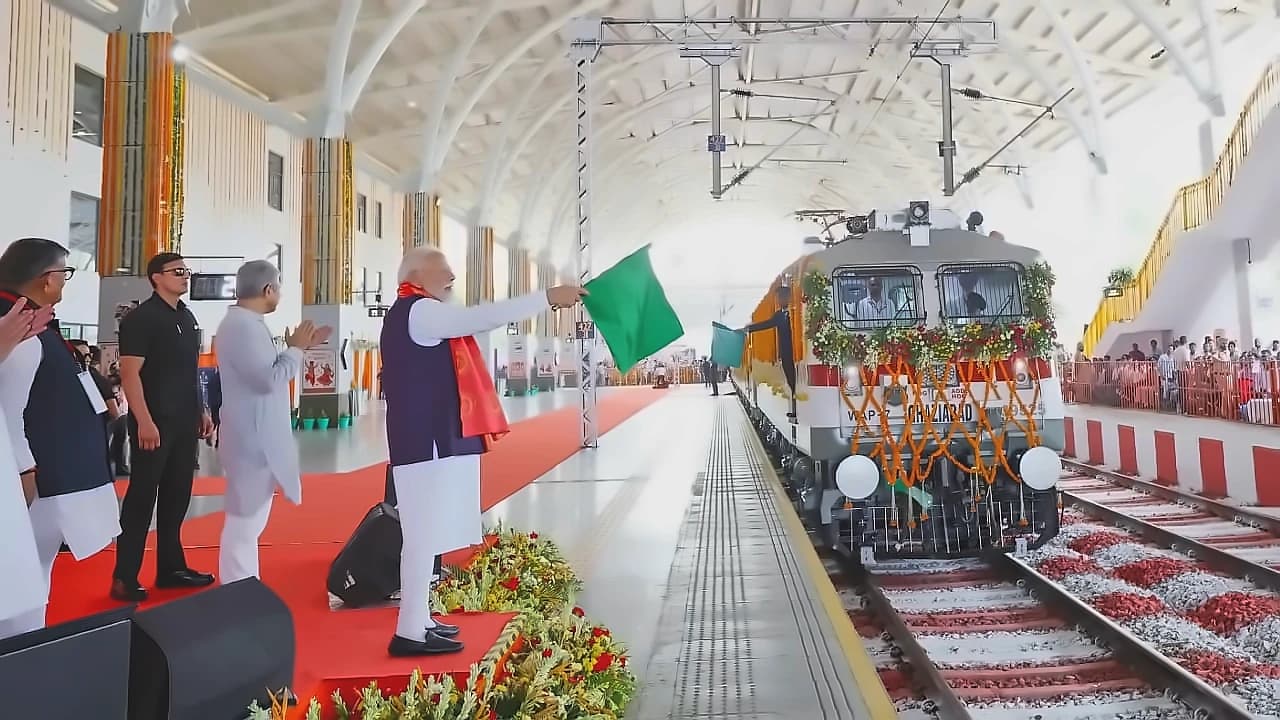
India is positioned to overtake the United States in metro rail network length within the next two years, according to Union Housing and Urban Affairs Minister Manohar Lal. Speaking after inaugurating the extended Indore metro rail service, Lal announced that India's metro rail network has reached 1,170 km across 26 cities, just 216 kilometres less than the US network of 1,386 km. The minister made this announcement while highlighting that China currently operates around 8,000 km of metro rail lines globally. "I think in the next two years, we will overtake the US and become the world's second-largest country in terms of metro rail network after China," Lal stated during the inauguration ceremony. This milestone represents a dramatic transformation from India's humble beginnings when the first metro service began in 1984 with just 25 km across two cities.
The dramatic expansion of India's metro rail network represents significant growth since Prime Minister Narendra Modi assumed office in 2014. According to Lal's statement, metro rail services were operational on 245 km route across five cities at that time, which has now expanded to the current 1,170 km network. The minister emphasized that this expansion aligns with the goal of building 'Viksit Bharat' by 2047, positioning metro rail as a means of improving people's ease of living. "Metro rail is not merely a mode of transport but also a means of improving people's ease of living," Lal asserted, linking the expansion to India's broader development objectives. The government has attributed this rapid growth to the Metro Rail Policy introduced in 2017, which created an enabling framework for further expansion.
The extended Indore metro rail service, built at a cost of ₹2,850 crore, represents a significant infrastructure development in Madhya Pradesh. As reported by officials, the service has expanded from a 6-km commercial route between Gandhi Nagar and Super Corridor-3 stations to a 17-km route between Gandhi Nagar and Malviya Nagar Chauraha. The extended service covers 16 stations and will operate with more than 80 trips scheduled daily, with trains running every 15 minutes from 9 am to 7 pm. The first trains on the extended route will depart from both ends at 9 am daily, while the last service will run at 7 pm, providing improved connectivity between major commercial and residential areas of the city. This expansion has been a key driver of India's metro network growth, which has grown more than fourfold in just over a decade.
Madhya Pradesh Chief Minister Mohan Yadav highlighted the metro rail service's role in Indore's development during the inauguration ceremony. According to Yadav's statement, the metro rail service is writing a new chapter in Indore's development and will eventually be extended to Ujjain and other nearby areas. The CM also thanked Prime Minister Modi for approving the ₹18,500-crore Indore-Manmad railway line, which will significantly improve rail connectivity between Madhya Pradesh, Maharashtra and Gujarat. This railway line approval complements the metro rail expansion as part of India's comprehensive urban mobility infrastructure development. The scale of India's metro construction has increased sharply, with 38 metro rail projects covering 1,051 km sanctioned since 2014 at an estimated cost of ₹3.44 lakh crore.
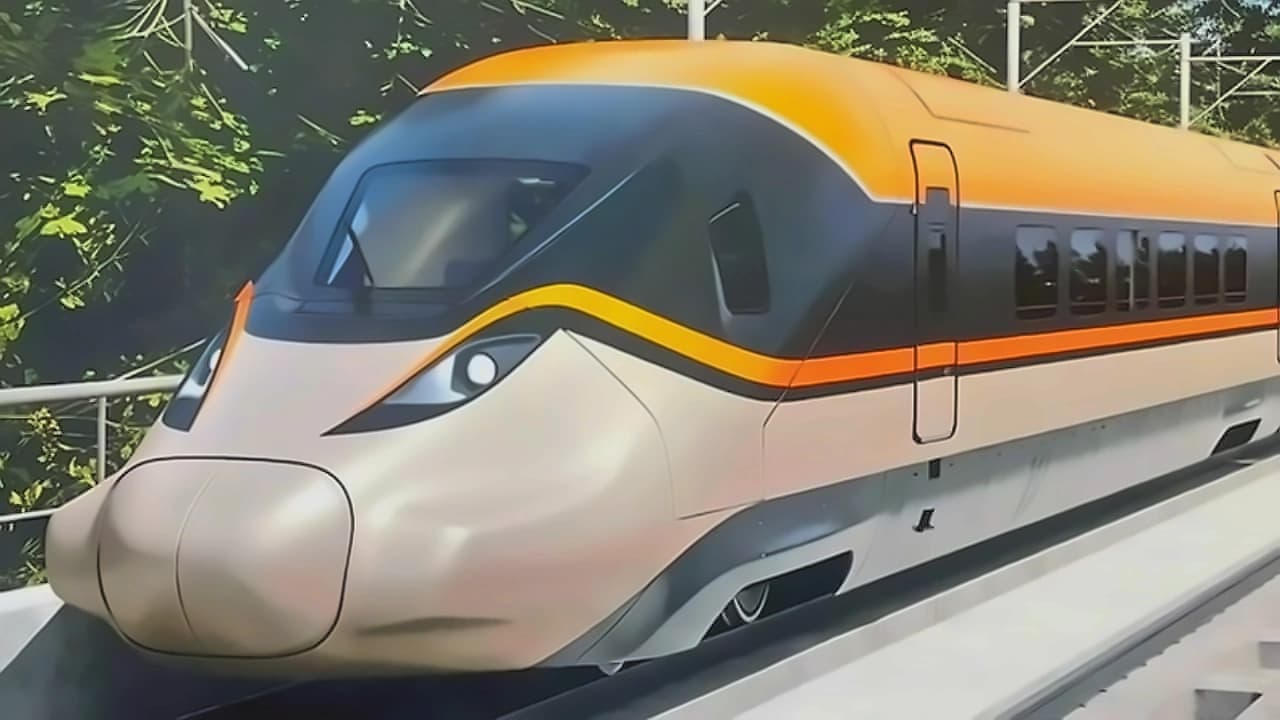
India's metro network has grown from just 248 km across five cities in 2014 to the current 1,170 km network, positioning it as the third-largest operational metro network globally. According to Lal's statement, the network has expanded from 248 km across five cities in 2014 to the current operational network of 1,095 km across 26 cities in 2025, including 55 km of the Delhi-Meerut RRTS. Government spending has risen alongside this expansion, with the annual metro budget increasing from ₹5,798 crore in 2013-14 to ₹29,550 crore in 2025-26. The expansion has not been limited to traditional metro systems, with India introducing innovative transport solutions including the Namo Bharat regional train operationalised on the Delhi-Meerut corridor in October 2023 with 160 kmph operating speed, and Kochi becoming the first Indian city to launch a Water Metro in April 2023, connecting 10 islands with electric-hybrid boats.