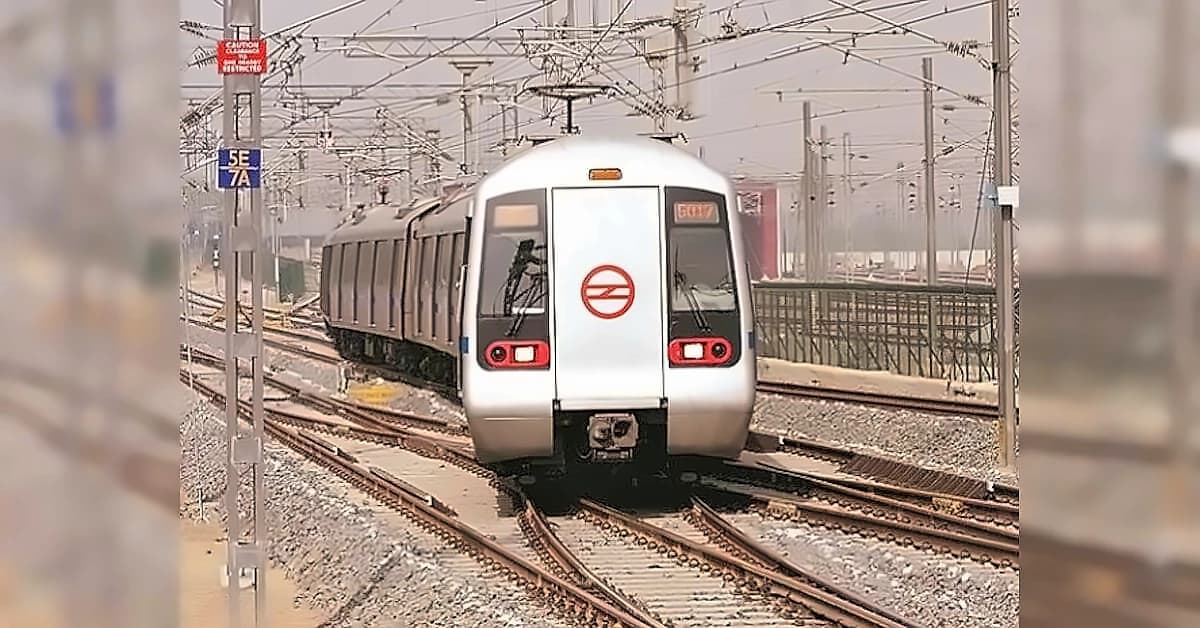
India has emerged as the global leader in railway electrification with 99.6% of its broad gauge track network now electrified, according to Union Railway Minister Ashwini Vaishnaw's statement to the Lok Sabha. This achievement places India second only to Switzerland, which has achieved 100% railway electrification but maintains a much smaller network. The minister highlighted that India's electrification rate significantly outpaces major economies including China (82%), Spain (67%), Japan (64%), France (60%), and the United Kingdom (39%). As per the June 2025 report of the International Union of Railways, Switzerland leads major railway systems with 100% electrification, followed by India at 99.6%. By network coverage, Indian Railways is now among the most extensively electrified large railway systems in the world.
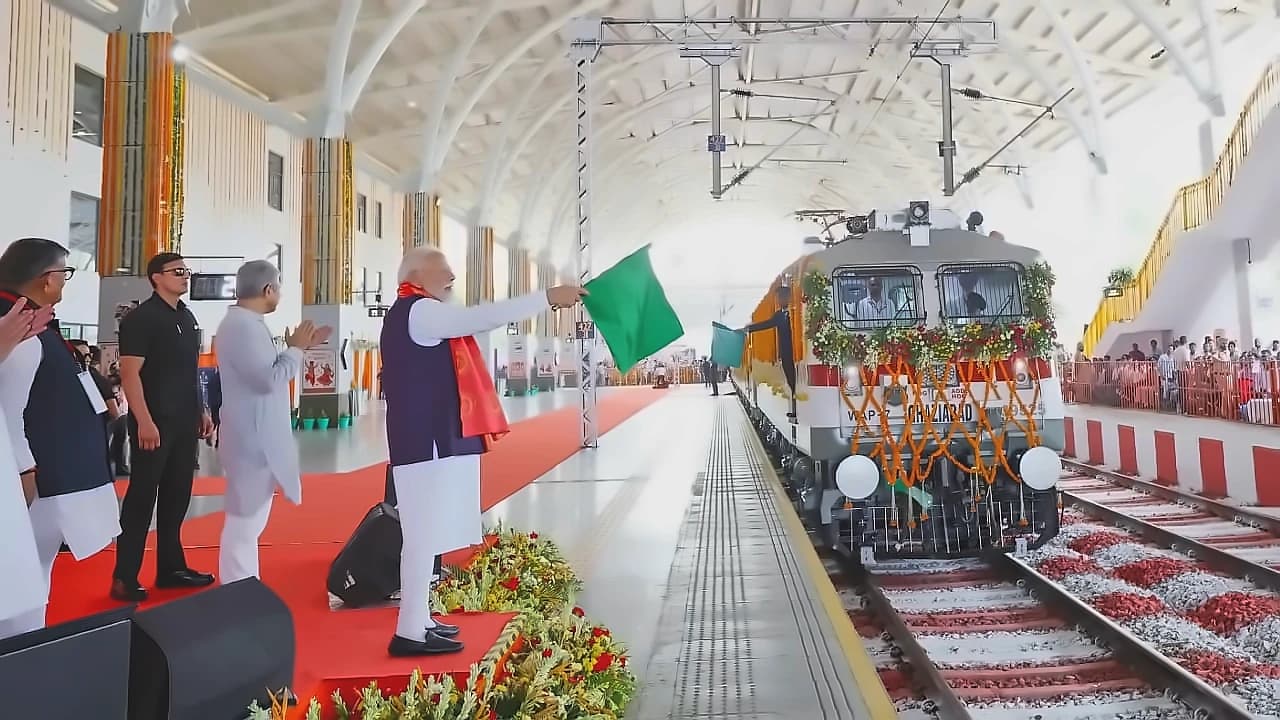
Indian Railways has undertaken one of the world's fastest railway electrification programmes, achieving 48,072 route km of electrification between 2014-2026. As reported by the minister, this represents a dramatic acceleration compared to the 21,801 route km electrified over the previous 60 years. The programme's scope includes electrifying the entire broad gauge network, unlike many countries that prioritise only their busiest passenger and freight corridors. This mission-mode approach has transformed India's railway infrastructure significantly, with all newly sanctioned railway lines and multi-tracking projects being constructed with electrification from the outset. The electrification in remaining network has been taken up with mission mode approach.
The electrification programme has shown remarkable progress across different railway zones. North Western Railway has reached 99.8% electrification, while Northeast Frontier Railway and Southern Railway have each achieved 98.7%. South Western Railway has electrified 96.1% of its network. Several states and Union Territories have also achieved complete railway electrification, including Andhra Pradesh, Arunachal Pradesh, Bihar, Chandigarh, Chhattisgarh, Delhi, Gujarat, Haryana, Himachal Pradesh, Jammu and Kashmir, Jharkhand, Kerala, Madhya Pradesh, Maharashtra, Meghalaya, Mizoram, Nagaland, Odisha, Puducherry, Punjab, Telangana, Tripura, Uttar Pradesh, Uttarakhand and West Bengal. Fifteen railway zones have already achieved complete electrification, including Central Railway, East Coast Railway, East Central Railway, Eastern Railway, Konkan Railway, Kolkata Metro, North Central Railway, North Eastern Railway, Northern Railway, South Central Railway, South Coast Railway, South East Central Railway, South Eastern Railway, West Central Railway and Western Railway.
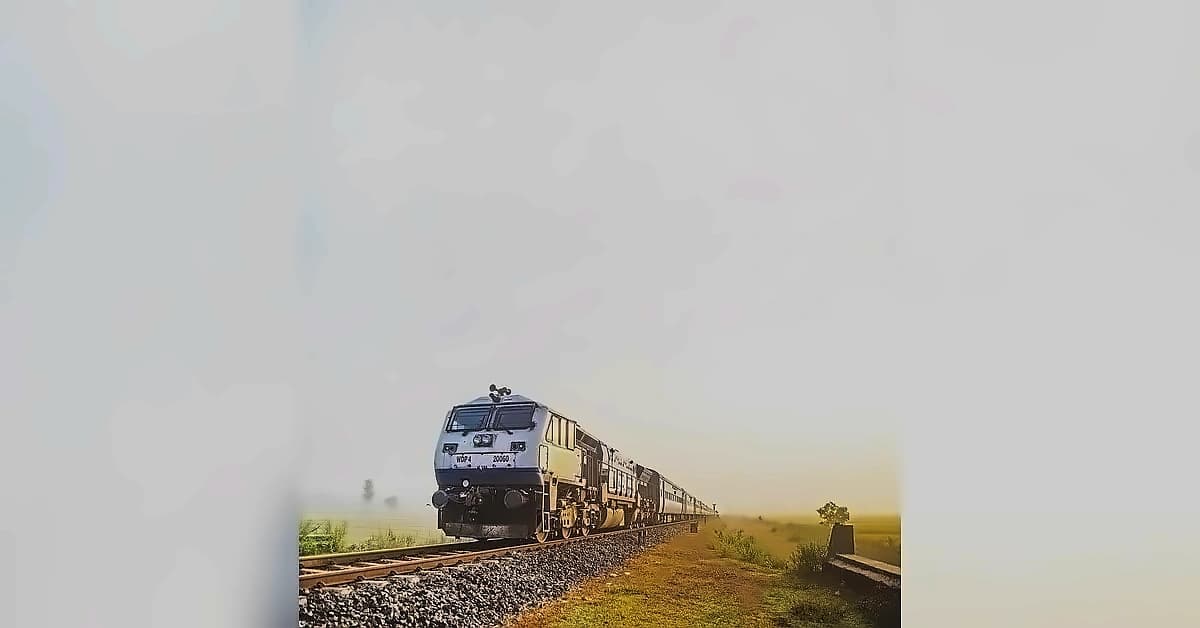
The electrification programme has resulted in substantial savings in diesel consumption for railway traction purposes. According to the minister's statement, India's diesel consumption for railway traction fell from 293 crore litres in 2015-16 to 108 crore litres in 2024-25. This reduction of 185 crore litres has generated significant foreign exchange savings that would have been required for fuel imports. The minister noted that electrification also enables better haulage capacity and higher train speeds, leading to reduced travel time and enhanced operational efficiency. Electric traction is not only environmental friendly but energy efficient also, reducing CO2 emissions in transportation by railways as compared to transportation by road. The reduction in IR's diesel consumption for traction purpose by 185 crore litres with about 108 crore litres consumption in 2024-25 as compared to 293 crore litres in 2015-16.
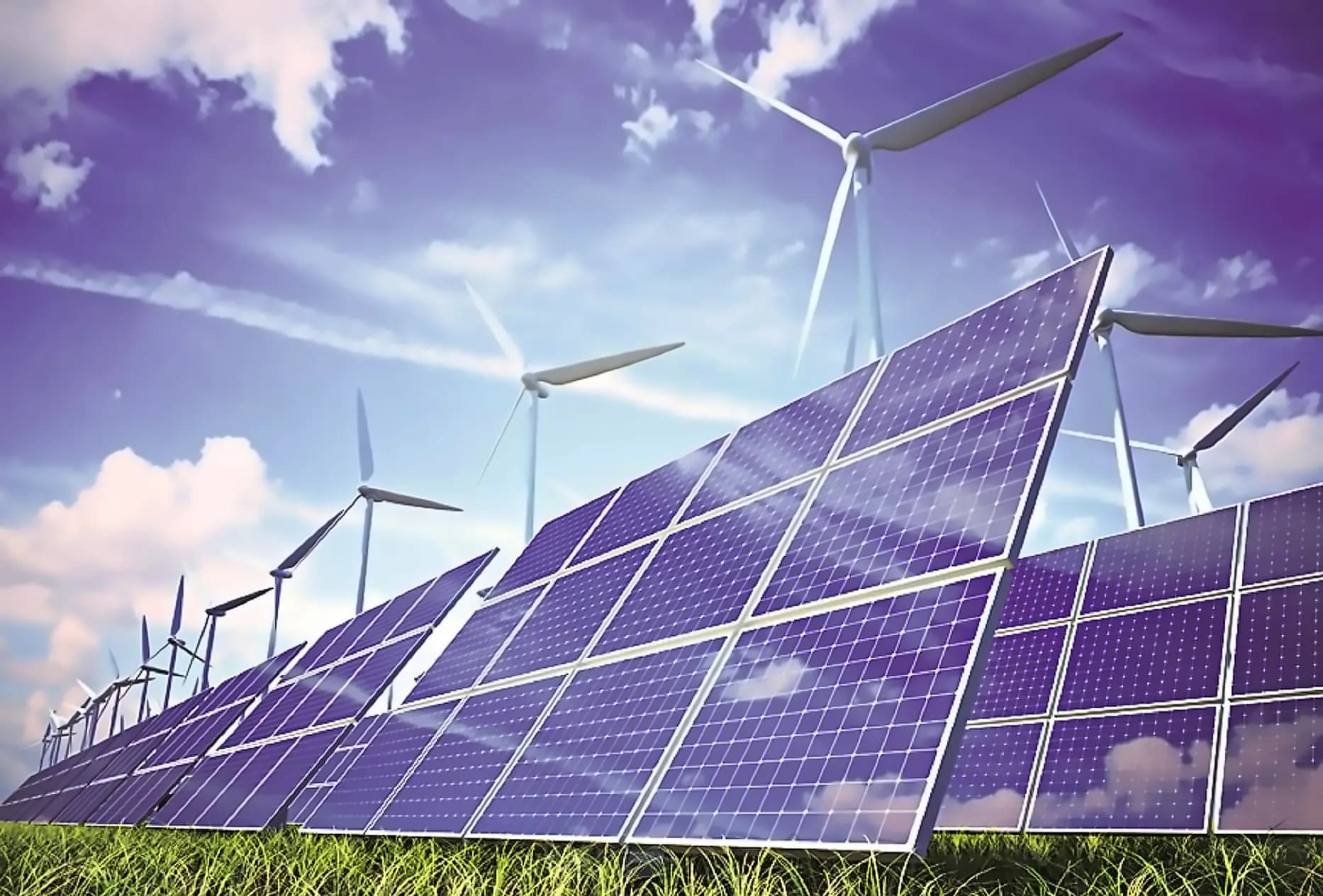
Indian Railways has commissioned over 1,264 MW of solar and wind power capacity to support low-carbon operations, as reported by the minister. As of June 2026, around 1,161 megawatts of solar power capacity had been commissioned on railway land and rooftops, with an additional 103 megawatts of wind power capacity also operational. The expansion of the railway network promotes cleaner mobility, as rail transport emits about 89% less carbon dioxide than road transport. Electrified railways are particularly well-suited for integrating solar, wind and other renewable energy into traction power systems, making them the most effective transport systems for utilizing renewable electricity. Indian Railways aims to progressively meet its electric traction power requirements through renewable energy sources including solar, wind and hybrid systems, thereby reducing carbon footprints of IR. Mission 100% Electrification is a highly challenging project, as it involves electrifying railway lines that are already in operation and encountering unforeseen various challenges during execution.