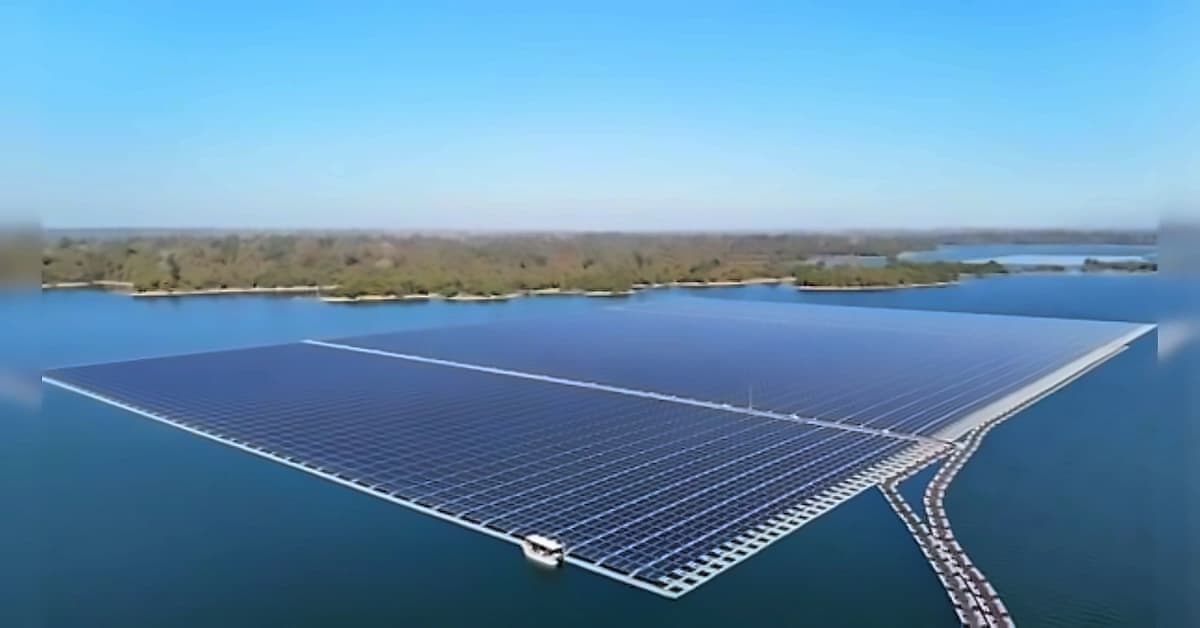
The Prime Minister Narendra Modi-led cabinet on Friday approved the Pradhan Mantri Surya Sarovar Yojana (PM-SSY) scheme to boost solar energy generation capacity. According to the latest official release, the scheme has been approved for a five-year period with a total outlay of ₹5,070 crore. Under the scheme, eligible projects will receive Central Financial Assistance (CFA) of ₹1 crore per MW after successful commissioning, with additional support of up to ₹50 lakh per project for preliminary studies including bathymetry surveys, environmental assessments, and technical studies to reduce project risks. As per Union Information and Broadcasting Minister Ashwini Vaishnaw, the scheme seeks to add 5,000 MW of Floating Solar Photovoltaic (FSPV) capacity on reservoirs and other suitable inland water bodies, significantly enhancing India's renewable energy infrastructure.
The PM-SSY scheme targets establishing 5,000 MW of Floating Solar PV (FSPV) capacity in the country, as reported by the latest official release. This represents a more than seven-fold increase over the nearly 700 MW installed today. Projects will be sanctioned between FY2026-27 and FY2030-31, with financial assistance continuing until FY2032-33. The decision follows an assessment by the National Institute of Solar Energy (NISE), which estimated that India's reservoirs and other inland water bodies have a floating solar potential of around 102.18 gigawatt-peak (GWp). According to the government, the scheme will increase India's floating solar capacity from the current 700 MW to 5,000 MW, benefiting all States and Union Territories. The initiative will strengthen domestic manufacturing of floating platforms, solar photovoltaic modules, energy storage systems and related equipment, supporting the Aatmanirbhar Bharat initiative.
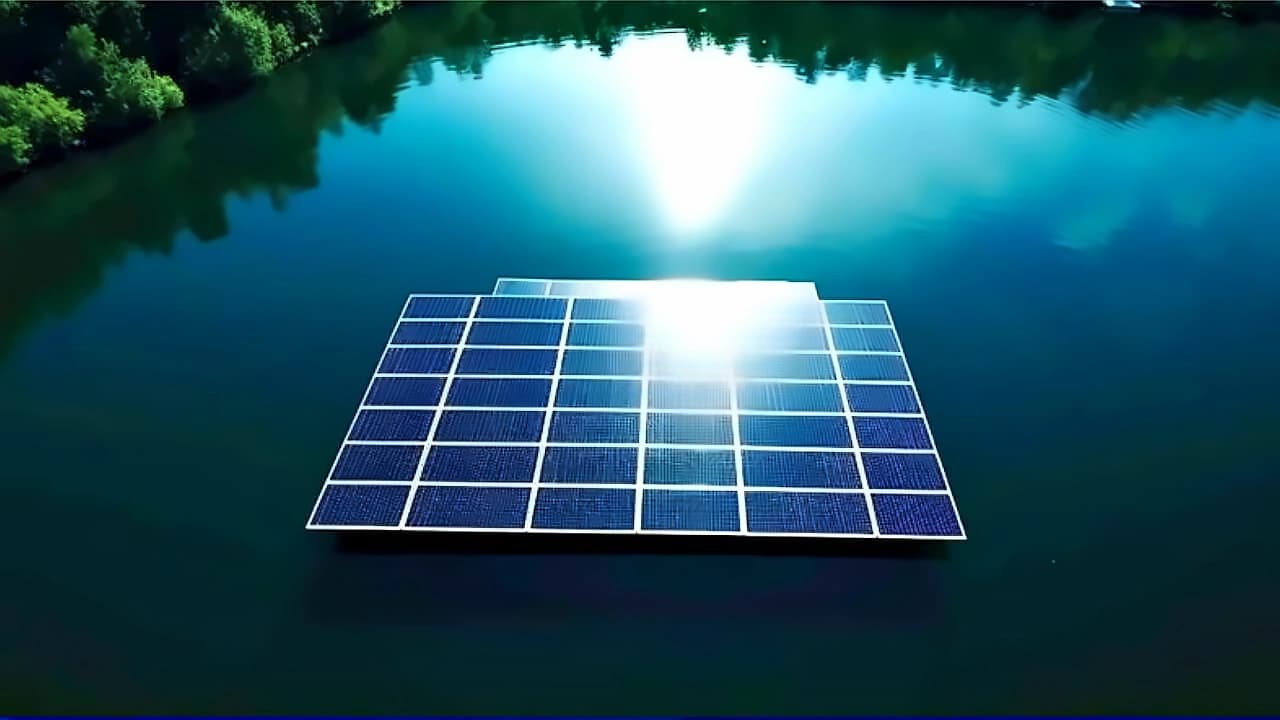
According to the latest official release, FSPV projects under the scheme will include co-located energy storage systems capable of storing electricity for at least two hours, totalling 10,000 MWh. The minister explained that these storage systems will help states manage peak demand effectively and improve grid reliability. The projects will be selected through tariff-based competitive bidding, ensuring transparent and efficient allocation of resources. All States and Union Territories will benefit from the scheme, which aims to promote the use of existing reservoirs and industrial ponds for renewable energy generation while integrating energy storage systems to improve grid reliability and ensure efficient management of intermittent solar power.
At present, floating solar power capacity in the country stands at around 700 MW, with the Omkareshwar Floating Solar Park in Khandwa district of Madhya Pradesh having a capacity of 600 MW. Built with an estimated Phase-I core cost of ₹330 crore and supported by CFA of ₹49.85 crore, around 278 MW of the project is operational. As reported by the government, these projects would provide an opportunity to gainfully utilise existing reservoirs and industrial ponds, and eliminate competition for scarce land resources. The integration of an energy storage system will help strengthen grid reliability, supporting the country's energy transition and climate commitments.
As reported by the latest official release, floating solar projects offer several advantages including no additional land acquisition required. The technology will create opportunities for productive use of existing reservoirs, canals and industrial ponds for solar power generation. The system will lower dust levels on solar panels, meaning fewer soiling losses, reduced cleaning costs and higher sustained generation efficiency. Additionally, floating solar installations will significantly reduce evaporation from host water bodies, conserving water for irrigation, industry and drinking supply. According to the government, the scheme is expected to reduce around 10 million tonnes of carbon dioxide emissions annually and contribute to renewable energy capacity addition while supporting national energy and climate objectives. The programme is expected to optimise the use of reservoirs, dams and industrial ponds for renewable energy production, reducing the need for land acquisition while improving grid stability through battery storage.
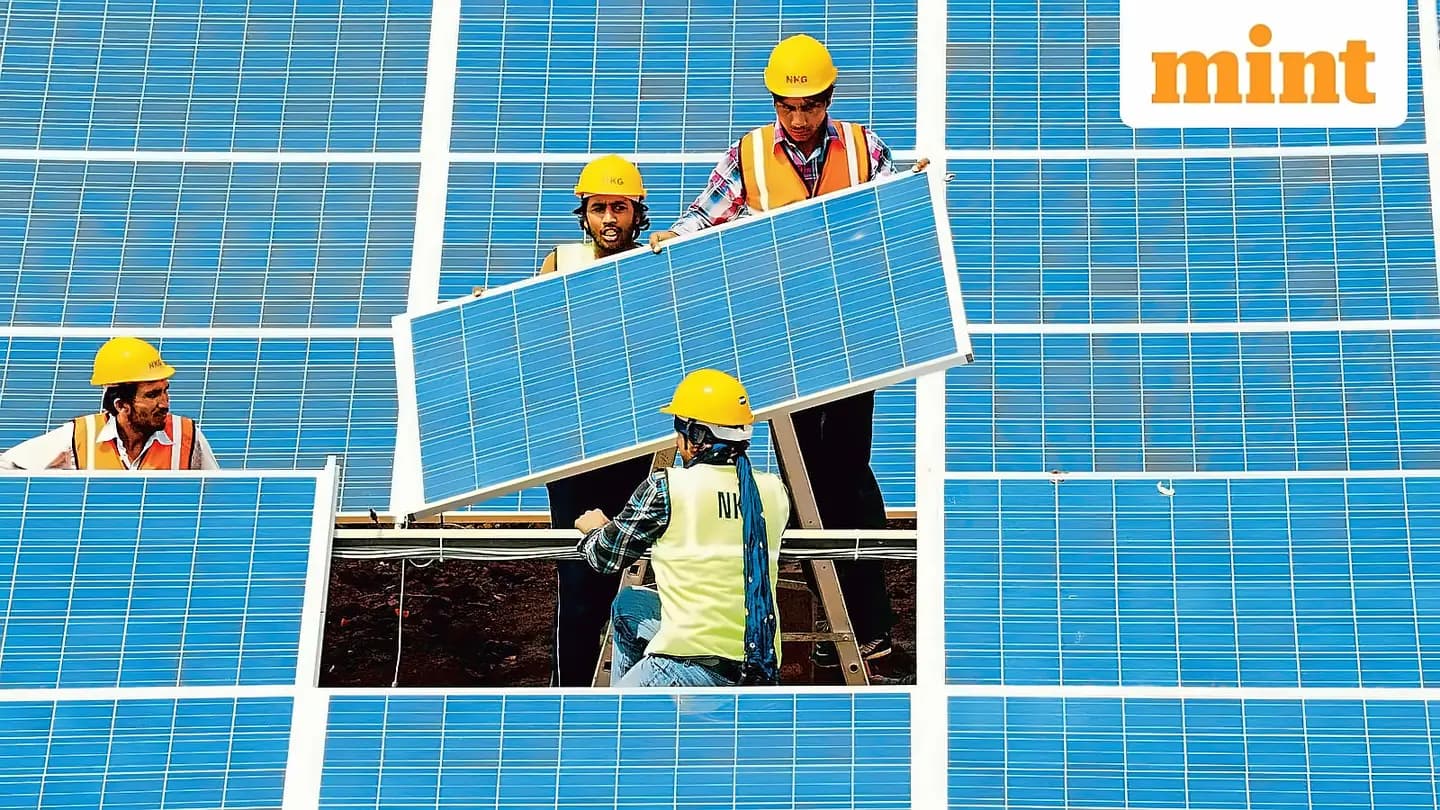
According to the latest official release, the scheme will open up solar capacity in states that are constrained on land but have large reservoirs and water bodies available. This strategic approach addresses geographical limitations while maximizing renewable energy potential across different regions of the country. The initiative represents a comprehensive approach to expanding India's renewable energy infrastructure through innovative floating solar technology. The scheme is expected to create 16,000-17,000 full-time equivalent jobs across the project value chain and boost domestic manufacturing of floating platforms, solar cells, modules and battery storage systems, supporting the government's Aatmanirbhar Bharat initiative. The government said the PM Surya Sarovar Yojana will play a key role in expanding India's renewable energy capacity, supporting the country's energy transition and climate commitments, and advancing the vision of Viksit Bharat.