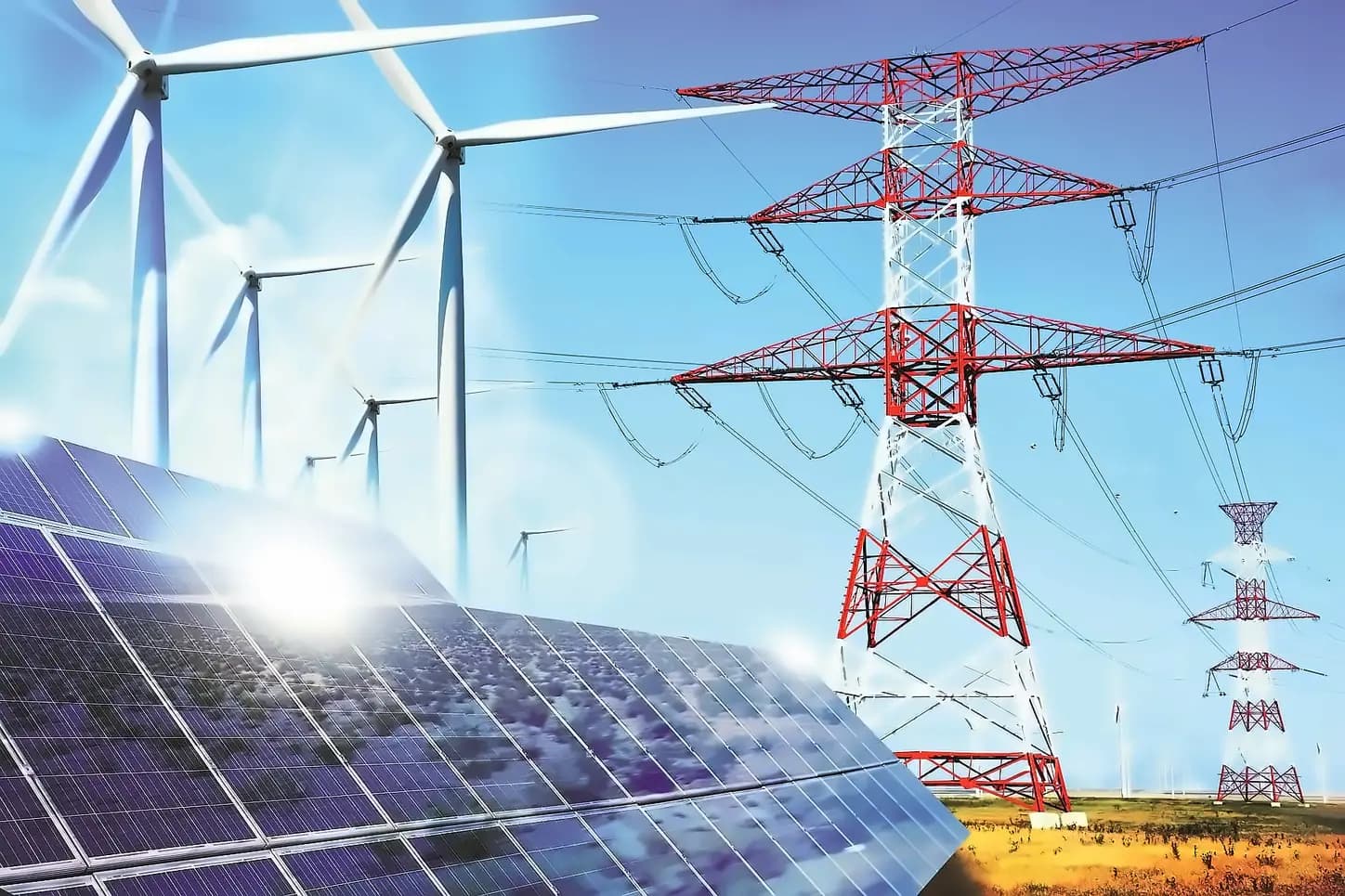
India's ₹50,000 crore third phase of the Green Energy Corridor (GEC) is in its final planning stages and has been sent to the Union Cabinet for final approval, according to senior government officials speaking to The Hindu. The proposal has already received approval from the finance ministry's expenditure finance committee (EFC) and cleared other requirements ahead of cabinet consideration. As per Newsbowl, the scheme would carry an outlay of more than ₹50,000 crore and is expected to complete in the next two years.
The new phase will strengthen intra-state transmission networks in renewable energy-rich states, including Gujarat, Rajasthan, Karnataka, Maharashtra and Andhra Pradesh. According to The Hindu, the scheme is expected to include intra-state systems to support renewable energy-rich states and states with emerging RE markets, with the parent ministry for support to offset high costs, reduce tariffs, and eventually attract private investment. The Union Renewables Ministry aims to evacuate about 135 gigawatts of renewable energy in the third phase, as stated in a submission to the parliamentary standing committee on Energy.
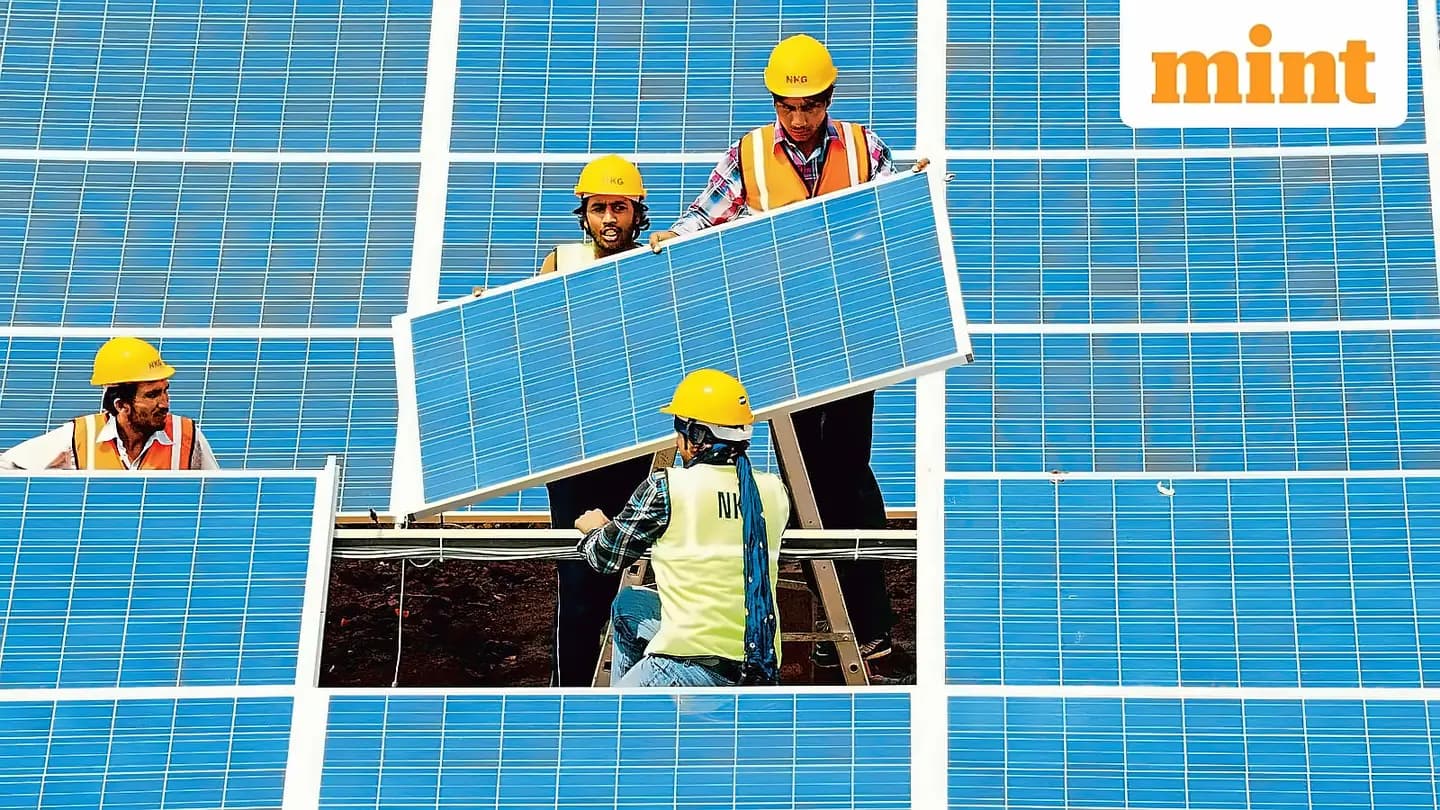
The push comes as India's rapid addition of solar and wind capacities outpace the grid's ability to evacuate the power, forcing generation curtailment. According to Mint, India has recorded an electricity curtailment equivalent to 18% of the average monthly solar generation of 13 terawatt hours (TWh), which is resulting in compensation payouts. Industry participants say transmission, not generation, is the binding constraint on India's energy transition, with one in four inter-state schemes running a year or more behind schedule.
The parliamentary standing committee on Energy has flagged significant implementation challenges that have led to delays in previous phases. According to the committee's August 6 submission, issues in Phase-I included right of way (RoW), delay in award, forest clearances and Great Indian Bustard (GIB)-related clearances. In Phase-II, non-participation of states during tending process, consultation of tender and regulatory issues have been observed. As per The Hindu, seven out of eight states have completed their work under the first phase, with states in the second phase having sought extensions, while the ministry actively monitors completion through dedicated review mechanisms.
India has recorded non-fossil power generation capacity reaching 300GW, led by solar power, which has reached about 54% of the targeted 500GW by 2030. According to Mint, the ministry announced this milestone on Sunday. Under the first phase, the intra-state transmission system for evacuation of 24GW RE has been commissioned, while the transmission system under the second phase for evacuation of around 20 GW RE is under implementation and is likely to be completed by end FY27. The two phases involve an investment of around ₹10,000 crore and ₹12,000 crore respectively.