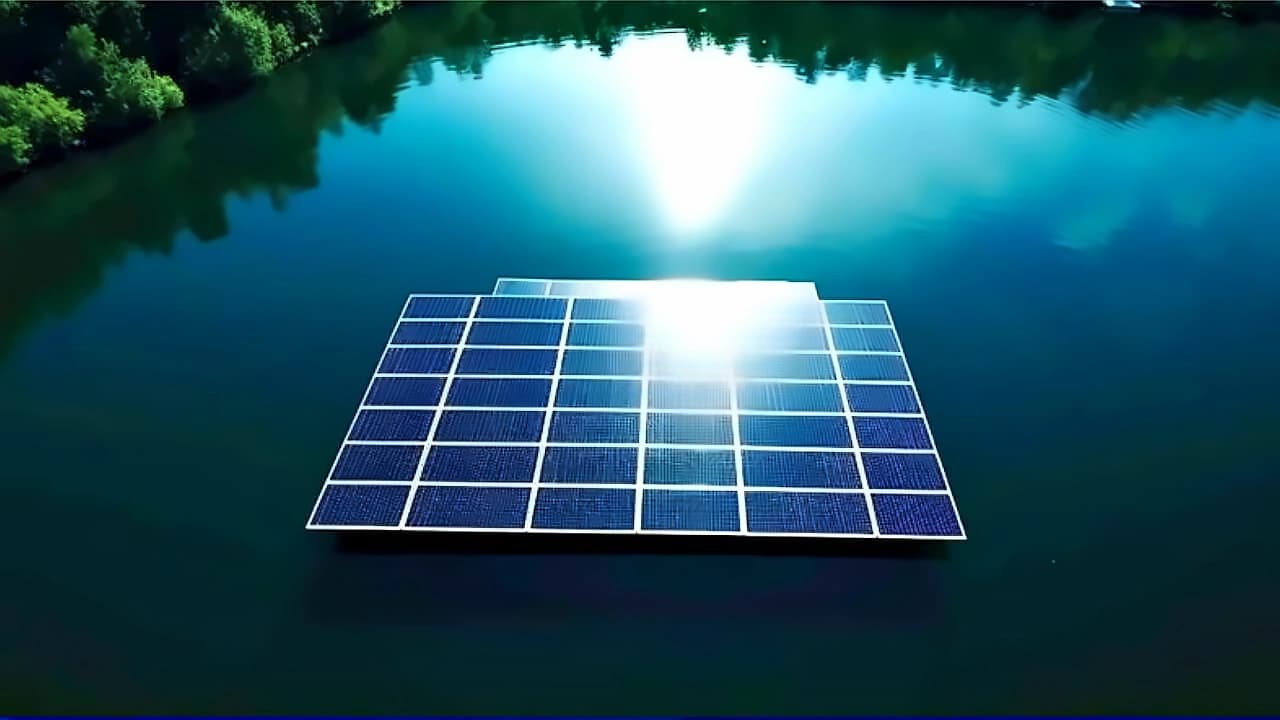
The Union Cabinet approved the Pradhan Mantri Surya Sarovar Yojana (PM-SSY) in July 2026, marking a significant step in India's renewable energy expansion. The scheme aims to develop 5,000 megawatts (MW) of floating solar PV projects with co-located energy storage systems having a minimum storage capacity of two hours, or 10,000 megawatt-hours (MWh). The scheme promises central financial assistance (CFA) of ₹1 crore per MW and an additional CFA of ₹50 lakh per MW for de-risking projects. With the current capacity at only 700 MW, the scheme targets an expected investment of around ₹28,500 crore in projects that will be implemented under a tariff-based competitive bidding model.
Despite the government backing, floatovoltaic technology faces significant commercial viability challenges in India. As reported by Business Standard, Anujesh Dwivedi, partner at Deloitte India, noted that "commercial feasibility is a challenge, as most procurers do not want to buy the costly power from Floating Solar PV projects when compared with ground-mounted ones." The technology requires 15-25% higher capital expenditure per MW compared to ground-mounted solar projects, with the additional cost of energy storage systems. However, Dwivedi added that the overall CFA of ₹1 crore per MW can effectively reduce the FPV+2-hour BESS cost by about 15-20%, making it more competitive.
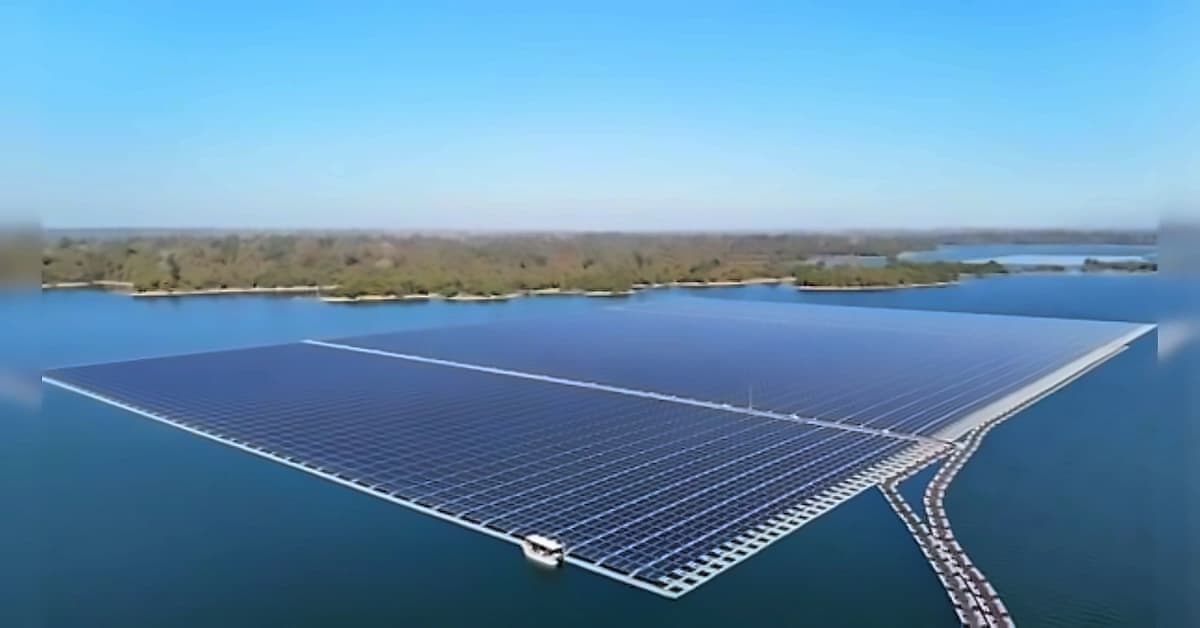
The scheme has generated optimism among domestic solar manufacturers about potential market growth. According to Business Standard, Amit Manohar, secretary general of Indian Solar Manufacturers Association (ISMA), stated that "Floating solar holds massive potential to become a cornerstone of India's future energy basket." The 102 gigawatts (GW) floating solar potential assessed by the National Institute of Solar Energy (NISE) provides a substantial foundation for future expansion. Manohar emphasized that the scheme offers domestic manufacturers long-term, predictable demand signal alongside physical installation goals, potentially establishing a complete manufacturing segment within India's solar ecosystem.
With solar capacity surpassing 160 GW, land acquisition bottlenecks threaten India's 500 GW non-fossil target by 2030. The PM-SSY represents a strategic shift toward land-neutral, water-based clean energy that addresses these constraints. As reported by ForumIAS, the scheme "balances land preservation with clean energy expansion, establishing a resilient model for Viksit Bharat@2047." This approach unlocks India's 102 GW floating solar potential while maintaining environmental sustainability, positioning floating solar as a critical component of India's renewable energy landscape.