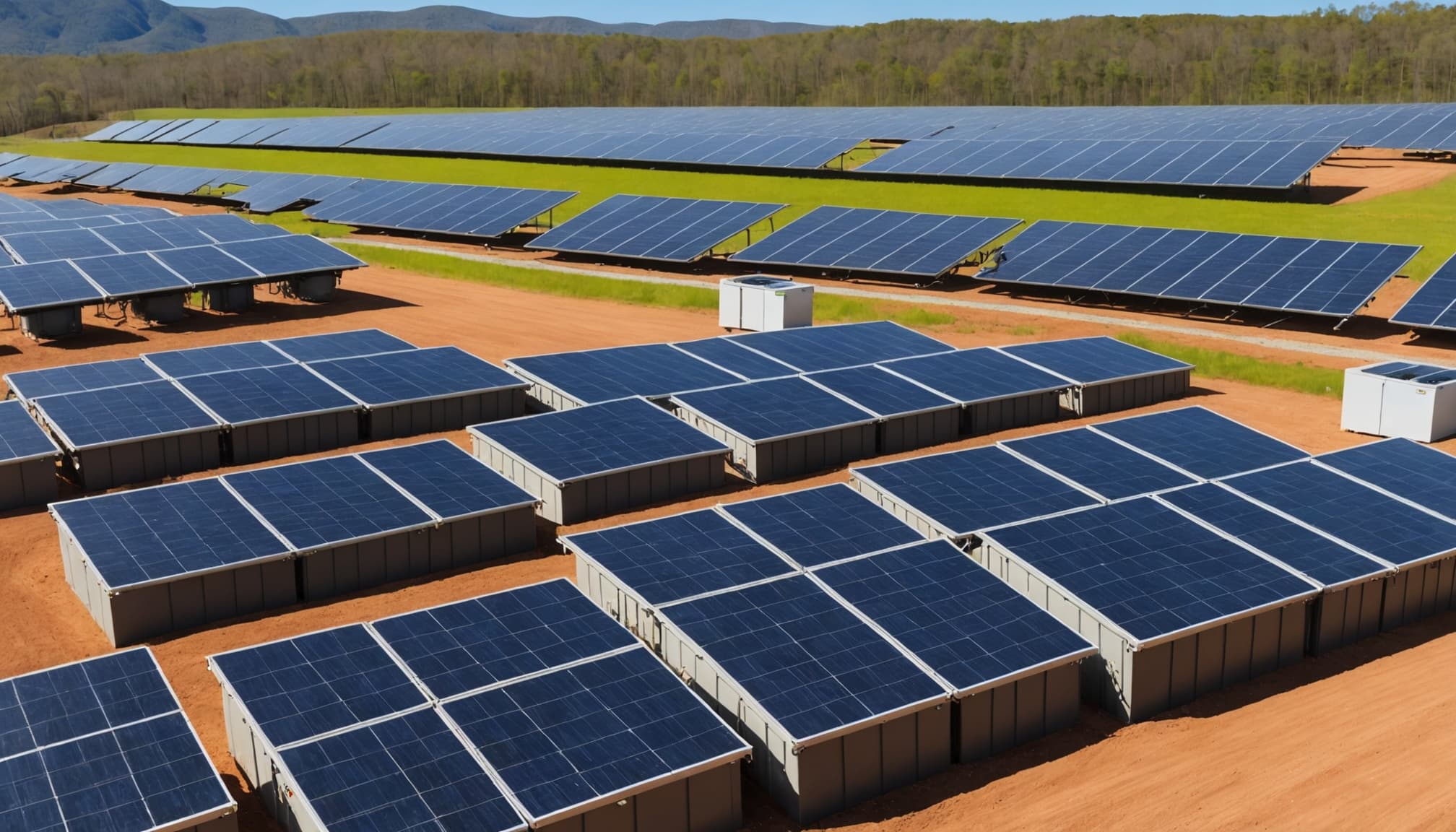
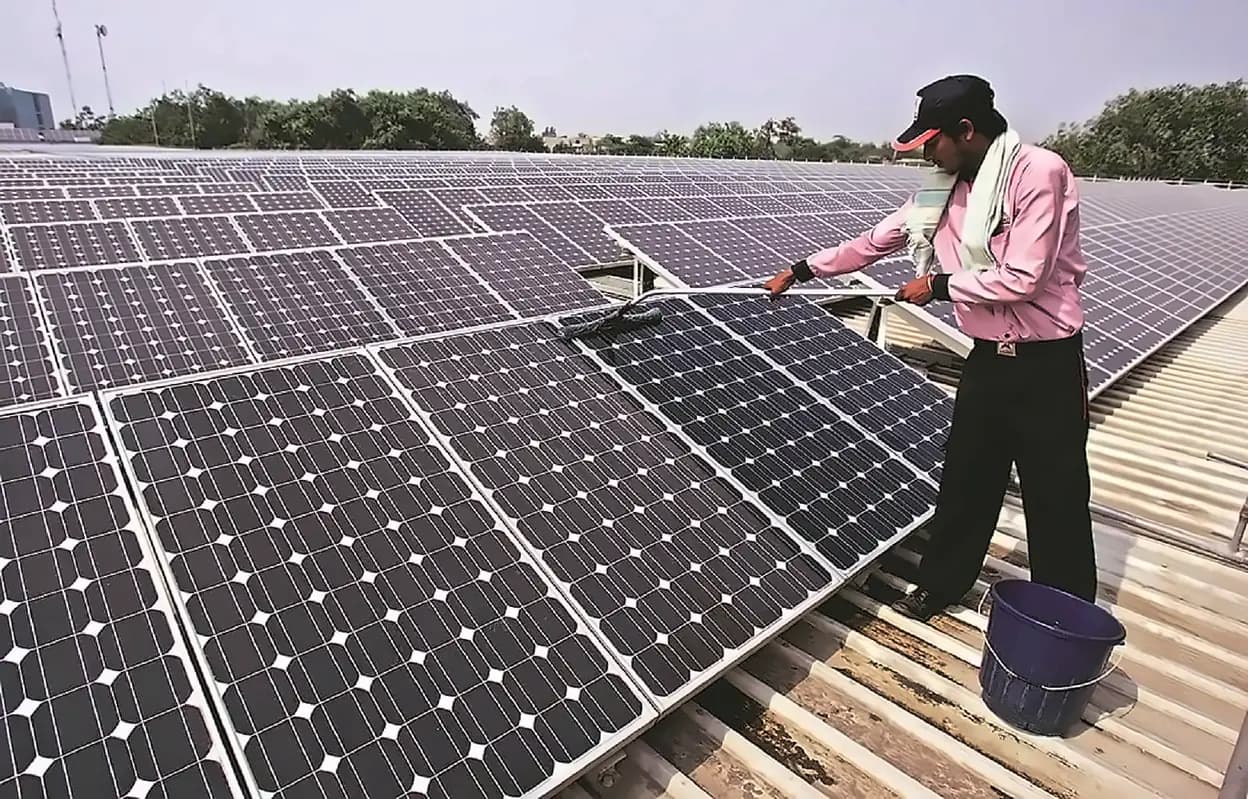
The government is planning to make energy storage capacity mandatory for electricity distributors as part of their renewable energy purchases, as reported by Business Standard. Power Secretary Pankaj Agarwal announced at the Bharat RE Summit in New Delhi that the government plans to finalize these rules by March 2026. The mandate aims to boost investment in batteries that can store surplus electricity and release it when supplies tighten, addressing the critical challenge of grid curtailment during peak renewable generation periods. Currently, about 11% of solar power generated in India during the hottest months this year was lost to grid curtailments, even as demand hit record levels. The move follows the government's decision on Wednesday to offer capital subsidies for energy storage projects, including batteries, pumped hydropower and emerging technologies.
The Union Cabinet on Wednesday approved a ₹14,500-crore viability gap funding (VGF) scheme to add 92 gigawatt-hours (GWh) of grid-scale energy storage capacity, marking a significant boost to India's energy infrastructure. According to reports from Business Standard, the scheme will be implemented from FY27-FY31, with the programme aimed at supporting the expansion of energy storage systems across the country. The initiative aims to strengthen the power network and support the country's expanding renewable energy capacity, with the scheme providing financial support during FY27 to FY31. As per the latest reports, the Cabinet aims to accelerate renewable energy integration, strengthen grid stability and ensure a reliable and affordable round-the-clock power supply.
Under the approved plan, 30 GWh of capacity will come from battery-based storage systems, 60 GWh from pumped hydro projects, and the remaining 2 GWh from emerging energy storage technologies. As reported by Business Standard, this comprehensive approach ensures diversified storage solutions to meet various grid requirements and renewable energy integration needs. The initiative also envisages a significant expansion of existing transmission capacity to support the integration and distribution of electricity across the country. The projects are expected to entail a total investment of around ₹97,600 crore, with the scheme helping India meet its estimated grid-scale energy storage requirement of 411 GWh by 2031-32. The proposed capacity addition will be equivalent to around 170 per cent of India's existing grid-scale energy storage capacity.
According to Nomura, the new scheme marks a significant increase over earlier VGF programmes for battery storage, which together covered around 43.8GWh of capacity with a VGF outlay of ₹91.6 billion. The latest programme has a substantially larger capacity and funding allocation, with 60GWh from pumped storage projects compared to the earlier focus on battery energy storage systems. Nomura noted that the scheme is expected to benefit pumped storage project developers, particularly those with projects already under construction. The brokerage identified 11 PSP projects under construction with a combined capacity of 15,870MW, including Karnataka Power Corporation's 2,000MW Sharavathy project, Greenko's 1,920MW MP30 Gandhisagar project, Tata Power's 1,000MW Bhivpuri project, JSW Energy's 1,500MW Bhavali project and Adani Green's 1,500MW Tarali project. Other projects include Upper Sileru, Kundah, Chitravathi, Gandikota, Saundatti and Karjat (Saidongar-1), with expected commissioning dates ranging from December 2026 to May 2032.
The scheme comes amid India's accelerating clean energy transition, with non-fossil fuel sources now accounting for nearly 52% of the country's installed power capacity. According to reports from Business Standard, the increasing contribution of renewable energy has heightened the need for storage solutions to ensure a reliable and uninterrupted electricity supply, particularly when solar and wind generation fluctuates. Energy storage systems are considered critical to balancing electricity demand and supply, allowing surplus power generated during periods of high renewable output to be stored and released when generation falls or demand rises. This development is particularly significant given India's ambitious target of 500 GWh of renewable energy by 2030. The government stated that the initiative would help address the variability of renewable energy generation by enabling better storage and utilisation of electricity generated from renewable sources. By accelerating the deployment of grid-scale energy storage, it will facilitate greater utilisation of renewable energy, address the variability of renewable energy generation and reduce dependence on conventional generation to balance the grid and ensure round-the-clock power supply.