India’s power sector is at a crossroads. The country has successfully built massive solar and wind capacity, but the grid is struggling to absorb it all.
This isn’t just a technical glitch; it’s a financial bleed. To fix this, the government is pushing hard on energy storage, armed with a new ₹14,500 crore Viability Gap Funding (VGF) scheme and draft regulations that would mandate on-site batteries for new solar and wind projects. But who pays, and how does this change the game for state utilities versus private developers?
The Curtailed Reality: Why Storage is No Longer Optional
The numbers paint a stark picture. Between January and March 2026, renewable curtailment in Rajasthan hit a staggering 11.5 GW cumulatively, with some projects facing near-total shutdowns during peak solar hours. Nationally, curtailment soared nearly fourfold between May and August 2026 compared to the previous year. The primary culprit? A timing mismatch. Solar panels flood the grid with power when demand is moderate, but when evening peak demand hits, the sun sets and the grid scrambles for flexible power.
Transmission constraints play a role, but building more wires isn’t a complete solution. Transmission moves energy across space, not time. Even with expanded corridors, the midday surplus persists without storage. This is where Battery Energy Storage Systems (BESS) and pumped hydro projects come in. They act as giant sponges, soaking up excess power during the day and squeezing it back out during the evening peak. Currently, storage contributes only about 1-2% of national peak demand, a figure that needs to rise dramatically to support India’s renewable ambitions.
The ₹14,500 Crore Bet: VGF Scheme Breakdown
The scheme targets 92 GWh of fresh grid-scale storage capacity by FY31, split into 60 GWh of pumped storage, 30 GWh of battery storage, and 2 GWh of emerging technologies. This represents a total estimated investment of ₹97,600 crore, with the government covering roughly 15% of the cost to improve project viability.
This allocation isn’t random. The Central Electricity Authority (CEA) projects India will need 411 GWh of storage by 2031-32. Previous VGF rounds had already supported roughly 43.8 GWh of battery capacity, leaving pumped storage and newer technologies underfunded. Pumped hydro offers long-duration storage and acts as a strategic reserve, but it has long gestation periods and heavy civil costs. Batteries are faster to deploy but face volatile input costs and technology risks. The 2 GWh for emerging tech is essentially a pilot fund for chemistries like sodium-ion and flow batteries, which promise lower costs and longer durations but need demonstration projects to prove their bankability.
State Utilities: Flexibility Gains vs. Capex Pain
For state-owned utilities, often burdened with debt and delayed subsidies, this mandate is a double-edged sword. On one hand, storage dramatically improves operational flexibility. It allows utilities to shift midday solar to evening peaks, reducing reliance on expensive thermal power and costly peak purchases. It also helps meet the CEA’s Resource Adequacy Plans, which now treat storage as a critical resource for grid reliability.
On the other hand, the capital expenditure profile is daunting. While VGF lowers the tariff burden, utilities still need to sign long-term capacity contracts. The financial health of many distribution companies (discoms) is already precarious, with high debt and tariff-revenue mismatches. Adding storage costs to their balance sheets requires careful financial planning and, crucially, timely tariff revisions to pass costs to consumers. Without these, storage could become another line item stressing their already strained finances.
Private Developers: New Mandates, New Economics
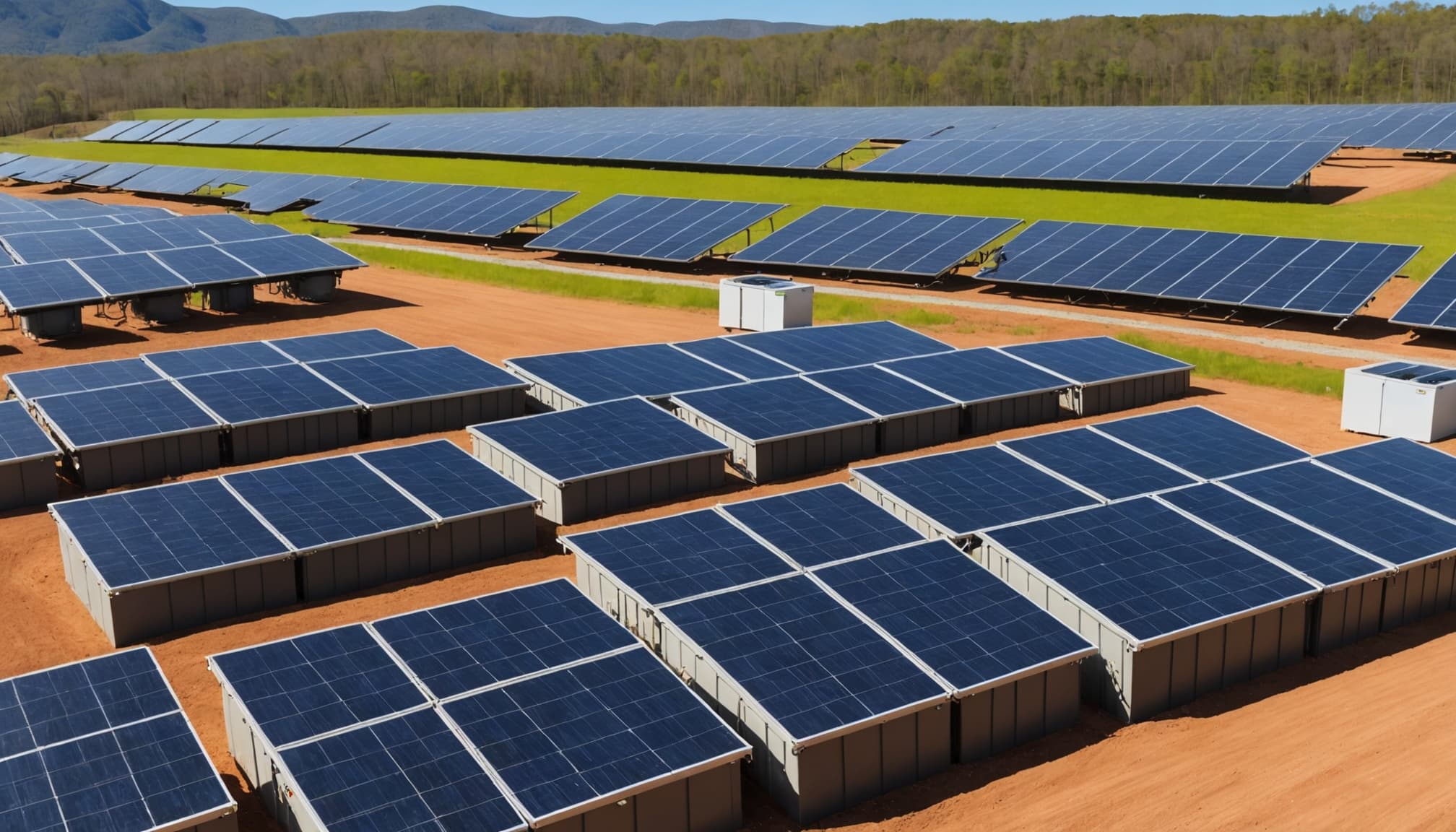
The draft CEA regulations proposing mandatory co-located storage for projects commissioned after July 2027 fundamentally alter project economics.
For a 100 MW solar plant, this means adding 10 MW of storage initially, scaling up to 40 MWh of capacity later.
This shifts the cost burden onto developers. They must now finance storage infrastructure, which increases upfront capital costs. However, it also changes the revenue profile. Instead of selling power only when the sun shines, developers can dispatch stored power during high-price evening windows, potentially improving realizations. Co-location also offers cost savings—sharing inverters and grid connections can reduce capital costs by 15-20%. The key risk is underbidding.
Developers with strong balance sheets and access to cheap capital will have a distinct advantage.
The Transmission Connection and Grid Stability
Integrating on-site storage isn’t just about shifting energy; it’s about optimizing the grid itself. By spreading output across more hours, storage increases the utilization of existing transmission lines from roughly 8 hours to 16 hours. This can defer expensive transmission upgrades. One developer, ACME, claimed battery storage reduced transmission capex by ₹20 lakh per MW.
Furthermore, the draft regulations mandate grid-forming inverters for new renewable and storage projects. Unlike traditional inverters that follow the grid, grid-forming inverters can establish voltage and frequency, providing essential stability services as the share of inverter-based renewable generation grows. This reduces the grid’s dependence on thermal plants for stability, potentially lowering the need for synchronous condensers or other expensive support infrastructure.
The Long Road Ahead: Curtailment and Competition
Despite these aggressive moves, challenges remain. The 92 GWh supported by the VGF scheme covers only about 22% of the projected 411 GWh need by 2031-32. The 2 GWh allocated to emerging technologies is a drop in the ocean but serves as a crucial catalyst for long-term solutions. If sodium-ion or flow batteries can scale successfully, they could offer cheaper, longer-duration storage that significantly reduces curtailment over the next decade.
Competitively, the landscape is shifting. State utilities, armed with VGF-backed storage tenders, have a path to build their own flexibility assets rather than relying entirely on independent power producers (IPPs). However, their financial constraints may slow execution. IPPs, meanwhile, face higher execution risks but stand to benefit if they can navigate the complex economics of storage-backed projects. The winners will likely be those who can combine low-cost capital, efficient execution, and smart technology choices.
Ultimately, India’s storage mandate is a necessary evolution. The days of simply adding more solar panels are over. The future belongs to those who can deliver reliable, dispatchable clean power—whether that’s a state utility leveraging pumped hydro or a private developer mastering the economics of solar-plus-batteries. The grid is waiting, and the clock is ticking.