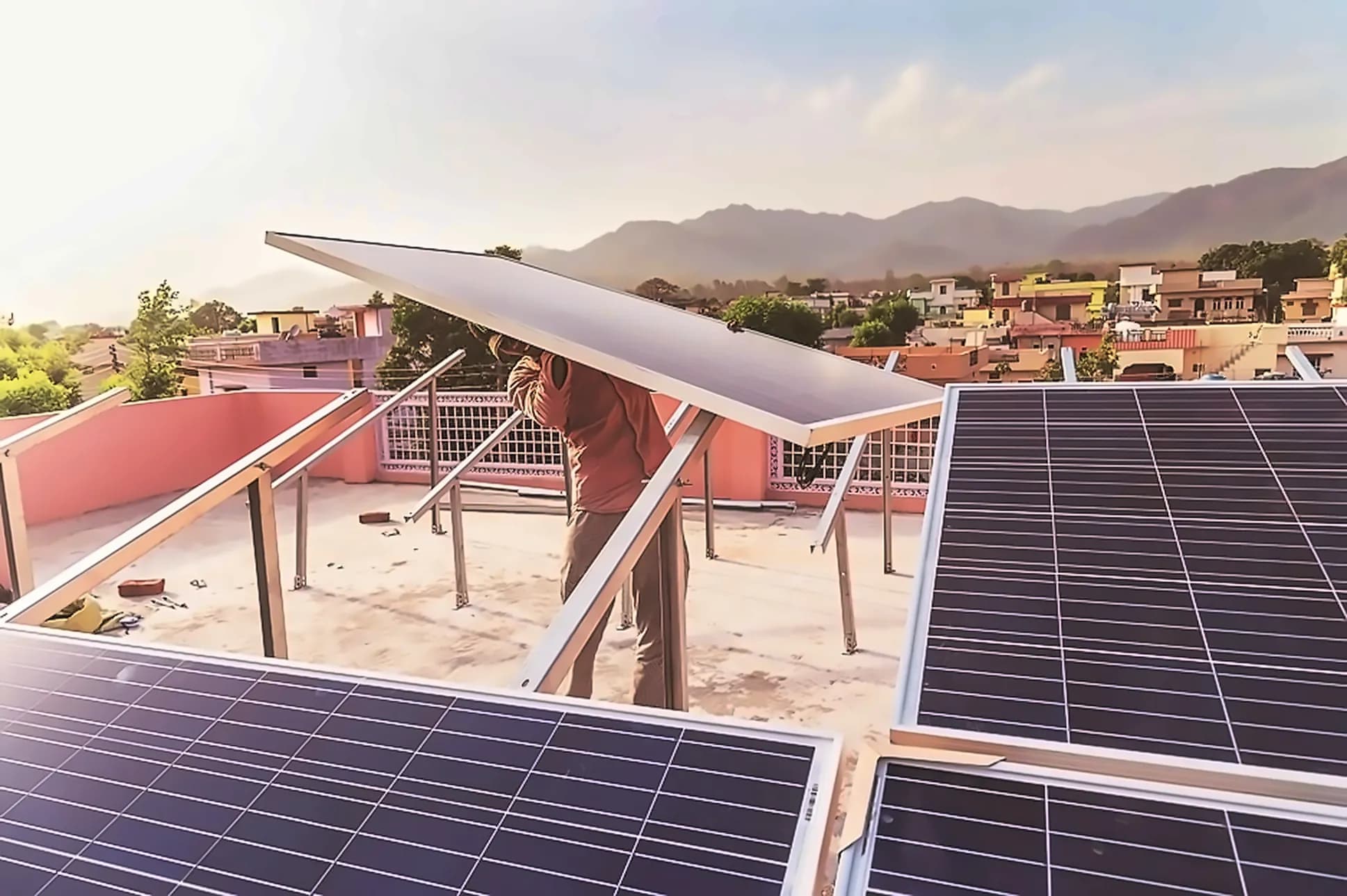
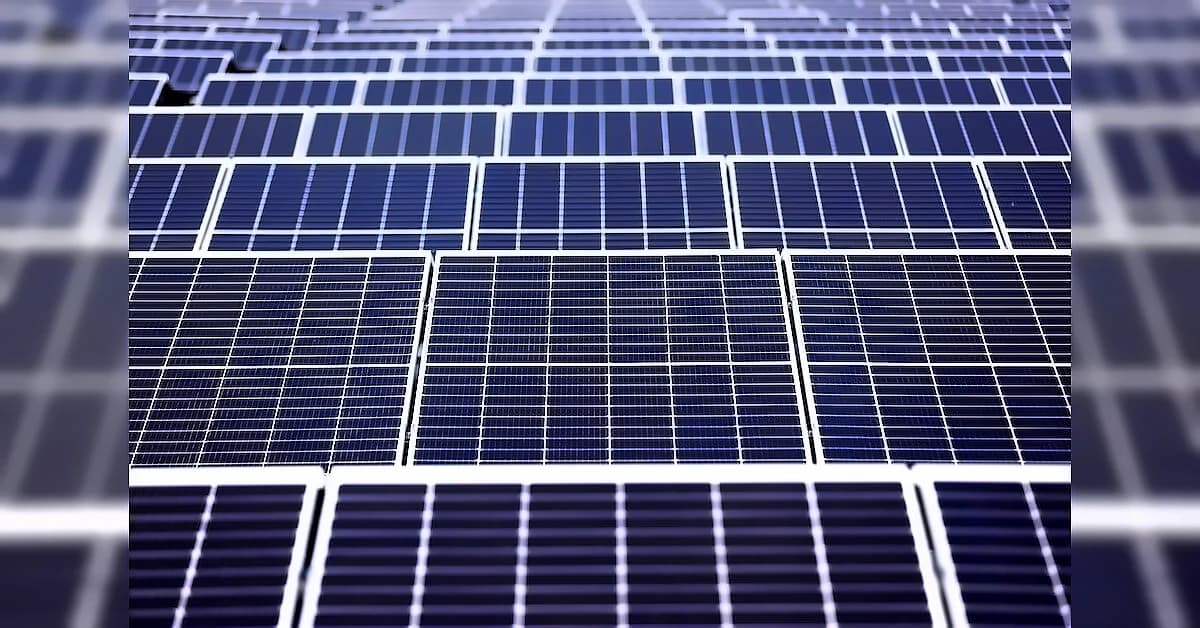
India requires $220 billion in investment by 2030 across various renewable energy sectors, according to Santosh Kumar Sarangi, Secretary, Ministry of New and Renewable Energy (MNRE) at a media briefing ahead of the Bharat Renewable Energy Summit 2026. As reported by Business Standard, the comprehensive investment roadmap covers solar, wind, energy storage, manufacturing, green hydrogen and transmission, with the government seeking to mobilise funds over the next four to four-and-a-half years. The roadmap comprises $70 billion for solar power, $20 billion for energy storage, $25-30 billion for wind, $15-20 billion for manufacturing, $20-25 billion for green hydrogen, $40-45 billion for transmission, $3-5 billion for bioenergy and $12-15 billion for hydropower.
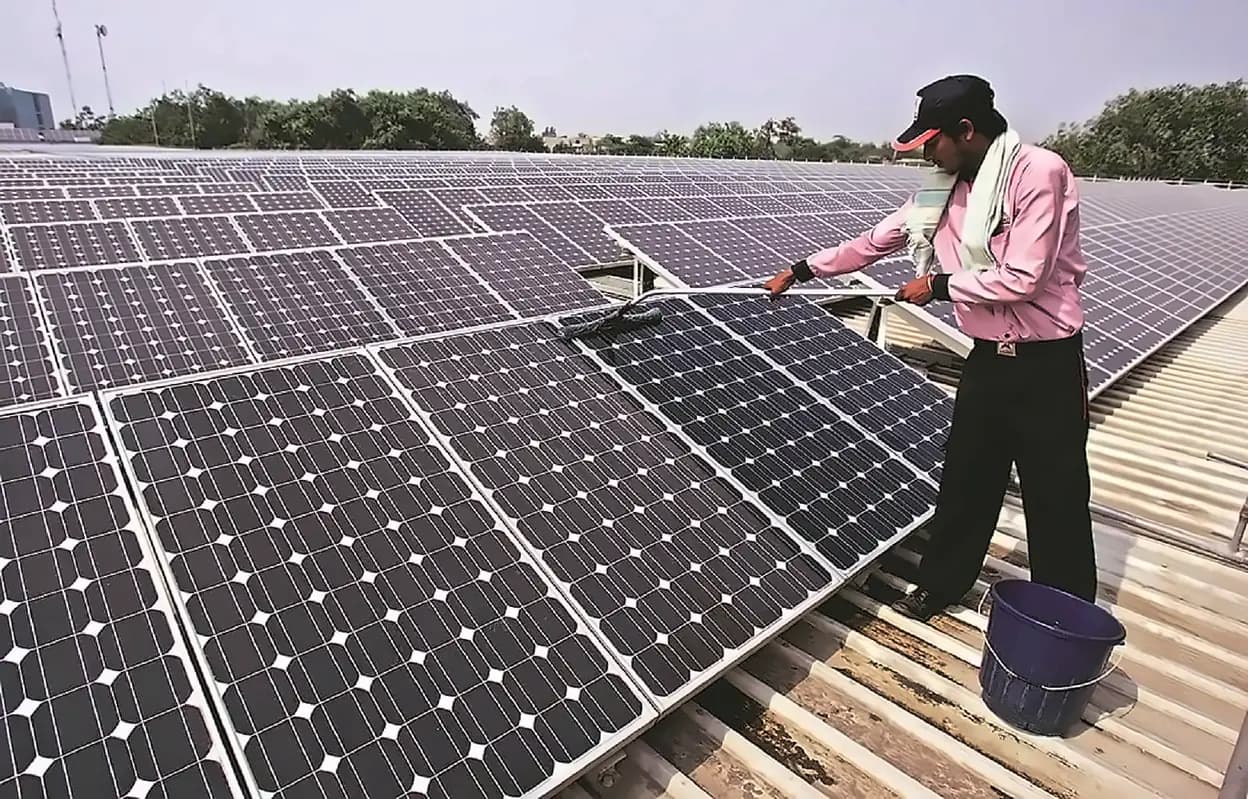
China controls an estimated 75-90 per cent of the global solar supply chain, according to Chetan Shah, Chairman and Managing Director of Solex Energy. As reported by PTI, China has proposed restricting exports of 12 key technologies used in solar equipment manufacturing, citing the need for close monitoring as these technologies are also used in aerospace, defence and other sensitive sectors. Shah warned that if domestic cell capacity does not come up on time, the result could be a supply crunch for solar modules, project delays and pressure on tariffs. The industry faces a challenging scenario where domestic players are preparing to establish cell manufacturing lines while China's proposal creates additional pressure on the sector.
According to Shah's comments at the Renewable Energy India (REI) Expo 2026 in Greater Noida, as of June 2026, India had about 262 GW of module manufacturing capacity and only about 37 GW of cell capacity. As reported by PTI, the country's ingot-wafer capacity was estimated at 2 GW and polysilicon capacity was nil. Shah noted that there is a huge gap between module and cell capacity in India, with most of the installed capacities being of old MONO PERC technology and several capacities being non-operational. This capacity imbalance creates significant vulnerability in the domestic solar supply chain.
Citing a recent study, Sarangi revealed that $64 billion had come into the renewable energy sector between July 2024 and June 2026, with $6.2 billion as foreign direct investment (FDI) and the rest from the domestic market. As reported by Business Standard, during the same period, about $6 billion of government expenditure has been incurred in promoting renewable energy. The ministry is also working on developing a framework for assigning exploration rights for geothermal energy, similar to petroleum exploration, with the framework expected to be ready within a month or two.
India has secured 5.5 lakh MTPA orders for green hydrogen and its derivatives, with 4.5 lakh MTPA orders secured in 2026 itself, according to Sarangi. The secretary highlighted the application potential in DRI steel plants using green ammonia, with pilots already underway, and in the transportation sector. India is currently undertaking an experiment in 10,000 acres of land across 6 states and 10 different crops to inject ammonia directly into soil instead of spraying urea, which will increase efficiency and reduce costs. The European Union, Japan and Korea are emerging as key markets looking at greater sourcing of green ammonia and green methanol, providing significant export opportunities for Indian developers.