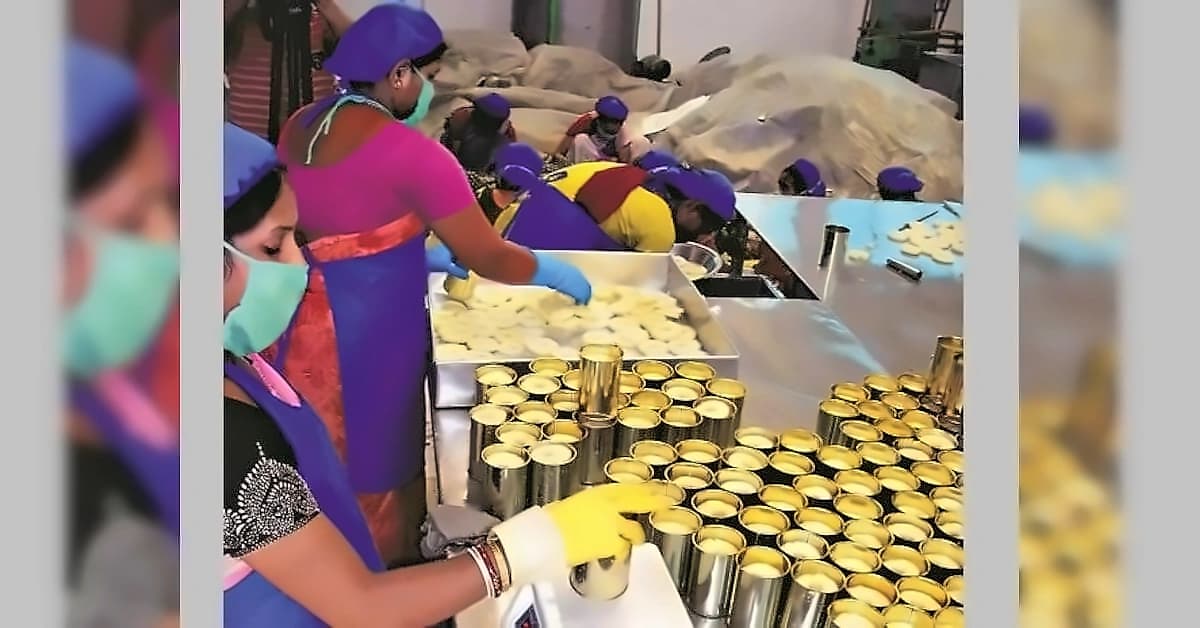
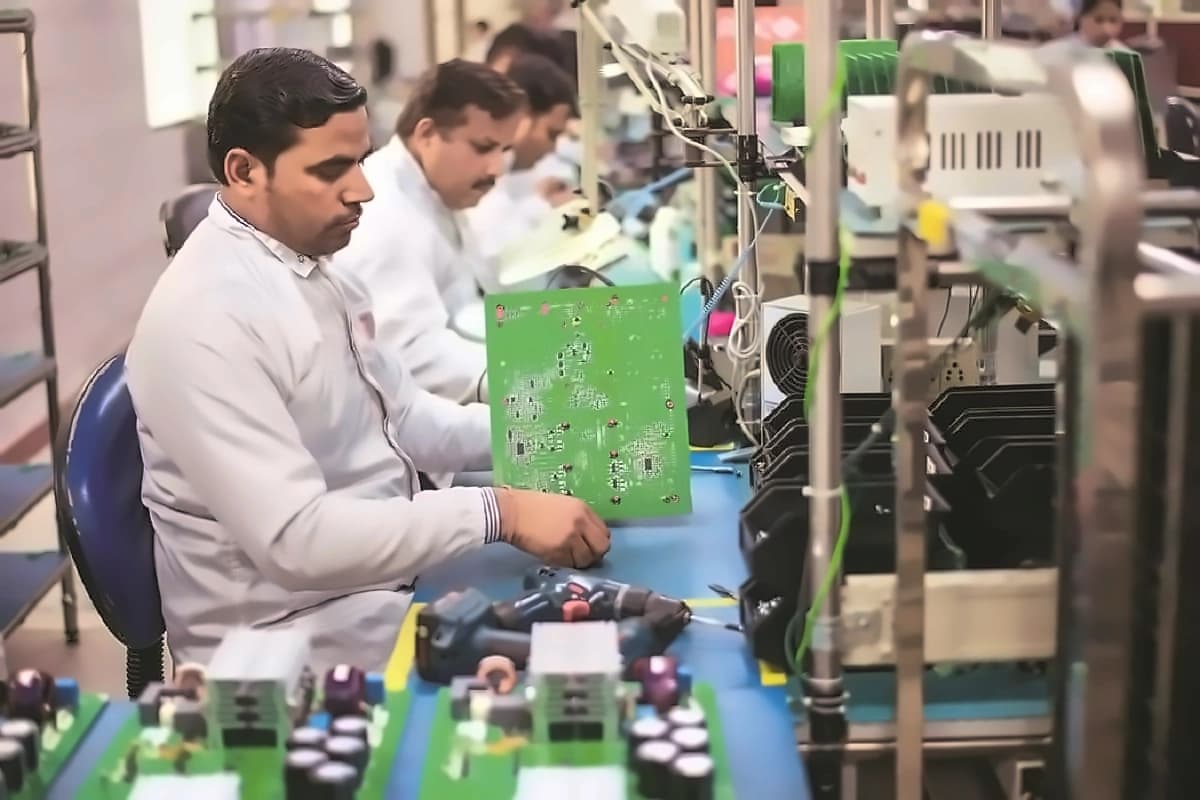
The Uttar Pradesh Food Processing Industry Policy 2023 was officially notified on February 2, 2023, establishing a comprehensive framework for encouraging enterprises to convert agricultural and horticultural produce into food products with longer shelf life or higher commercial value. According to the policy document from the Horticulture and Food Processing Department, the main objective is to increase the share of processed agricultural output in the state while promoting food-processing investment across districts. The policy aims to raise farmers' income, reduce post-harvest losses, create employment, ensure year-round availability of products, and expand export opportunities through various incentive mechanisms.
The policy offers substantial financial support to eligible food-processing units and infrastructure projects. New food-processing units receive a capital subsidy of 35% of eligible expenditure, capped at ₹5 crore for each unit. Additionally, interest subsidy is available for expansion and modernisation projects, with 50% of installation cost for eligible units and 90% for food-processing plants owned and operated entirely by women. For infrastructure development, cold-chain and value-chain projects receive 35% of eligible project cost for facilities like pack houses and pre-cooling units, with 50% for frozen storage and deep freezers, and a maximum grant of ₹10 crore for qualifying projects.
The policy provides significant relief on land-use and transaction costs for approved projects. Eligible units receive relief of 50% in specified land-use conversion charges and 75% in external development charges. Exemption from mandi fee and cess is available for specified transactions involving agricultural produce supplied directly for processing, as well as exemption from mandi fee and cess on eligible produce brought from outside Uttar Pradesh for processing within the state. These benefits are designed to reduce operational costs and facilitate smooth project implementation.
The policy covers multiple categories of eligible entities including new food-processing units established in Uttar Pradesh, existing units undertaking qualifying expansion, and existing units modernising or upgrading technology. Cold-chain and value-chain infrastructure developers, farmer producer organisations, and eligible start-ups using modern technology in agricultural value chains are also included. According to the implementation guidelines, applicants must apply through departmental invitation or designated portal, submit detailed project reports, undergo technical and financial appraisal, obtain approval and Letter of Comfort, complete approved investment and construction, and begin commercial production to access the benefits. The policy remains valid for five years or until a new policy takes effect, whichever is later.
As reported by the Horticulture and Food Processing Department, the policy and implementation directions have been issued, with applications received, projects approved, capital subsidy sanctioned, interest subsidy disbursed, and cold-chain projects completed. However, consolidated official data on sanctions, disbursements and operating units remain limited, indicating that comprehensive implementation metrics are not yet available. Key challenges include reimbursement structure where many applicants must incur expenditure before receiving assistance, documentation burden requiring separate evidence for capital, interest, transport and infrastructure claims, and infrastructure dependence on reliable electricity, cold storage, roads and refrigerated transport. The policy also addresses small-unit access challenges and overlapping schemes with Union government programmes that may require coordination to avoid duplicate claims.