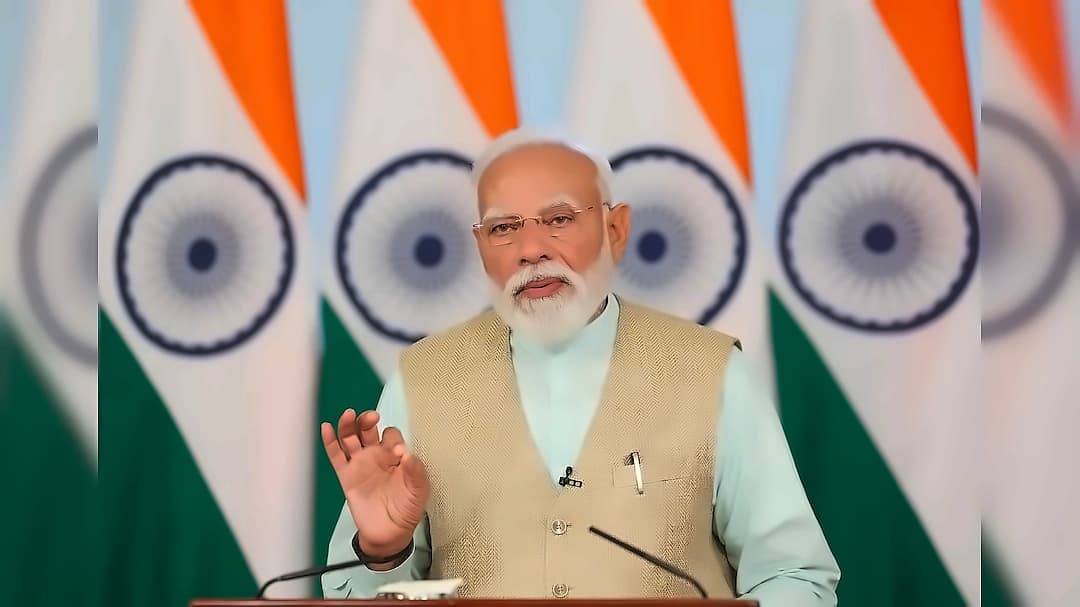
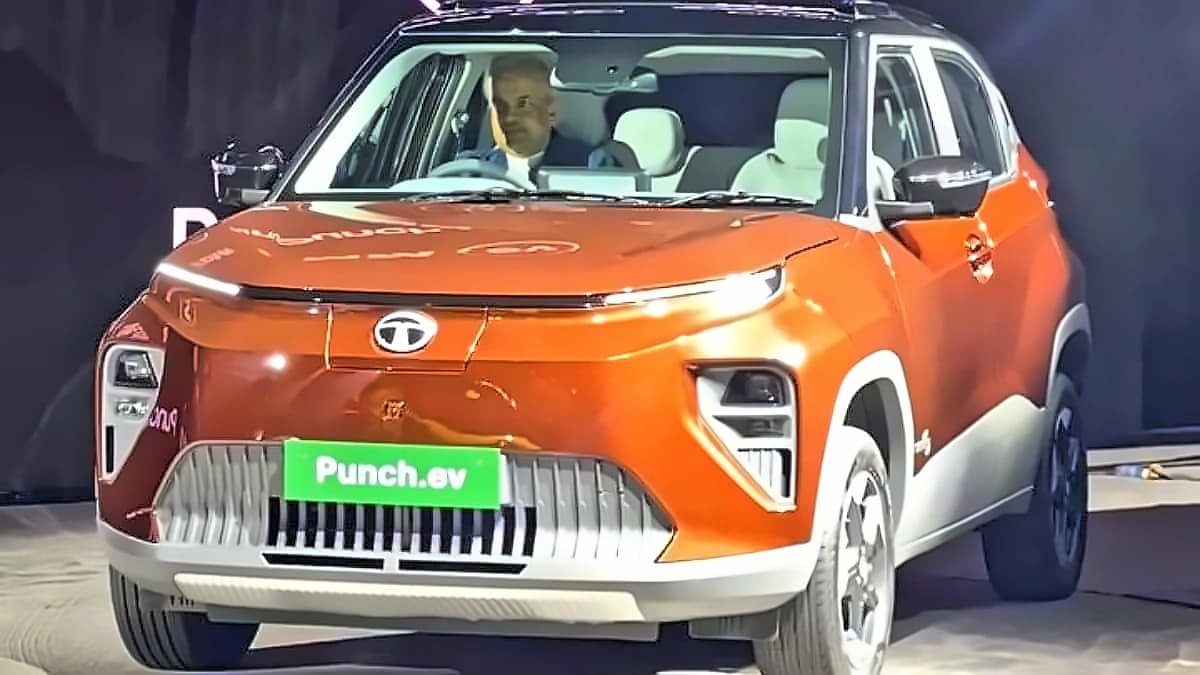
Prime Minister Narendra Modi has significantly reduced the size of his official convoy by approximately 50% during recent domestic visits to Gujarat and Assam, while retaining all essential security components under Special Protection Group (SPG) protocols. According to multiple reports, this downsizing was implemented following PM Modi's appeal for citizens to reduce fuel consumption amid the West Asia crisis. The Prime Minister has emphasized the inclusion of electric vehicles in his convoy, though no new electric vehicles will be purchased for this purpose. The impact of PM Modi's appeal became visible during his visits to Vadodara and Guwahati, where the number of vehicles in his convoy was significantly lower compared to previous occasions.
Uttar Pradesh Chief Minister Yogi Adityanath has implemented immediate measures to reduce government vehicle usage amid rising fuel costs. The Chief Minister directed that unnecessary vehicles be removed from government convoys and ordered a 50% reduction in the fleets used by ministers, including his own, with immediate effect. This directive was announced on May 12, 2026, during a high-level meeting in Lucknow, as part of a broader austerity measure aimed at cutting fuel consumption amid global energy price volatility. The 50% reduction applies to the Chief Minister, ministers, and other high-ranking state officials, following the Prime Minister's lead in implementing fuel-saving measures. The advisory comes after Prime Minister Modi recently urged people to reduce fuel consumption and defer gold purchase and foreign travel, in order to conserve national resources amid the West Asia crisis.
The state governments are implementing comprehensive work-from-home arrangements and conservation measures. The state government is considering issuing an advisory for offices with large workforces to adopt work-from-home arrangements for two days a week. Official meetings, seminars and workshops, particularly in the Education Department and state secretariat, have been advised to shift to virtual mode wherever possible. Uttar Pradesh CM Yogi Adityanath has called for work-from-home twice a week and promoted public transport, cycling, and electric vehicles. The Chief Minister has proposed observing a weekly 'No Vehicle Day,' urging ministers, MPs, MLAs, government employees, students and citizens to participate in the campaign by using public transport at least once a week. Madhya Pradesh CM Mohan Yadav has reduced his cavalcade from 13 to 8 vehicles until further orders, with all ministers using a minimum number of vehicles during travels.

The Chief Ministers have advised citizens to avoid non-essential foreign travel for the next six months and encouraged organising weddings and events within the country. Bihar CM Samrat Choudhary has issued directives to conduct government meetings via video conferencing and has appealed to observe one day a week as a 'No Vehicle Day.' Rajasthan CM Bhajanlal Sharma has instructed that no vehicle rallies will be organised during his visits, with all ministers using a minimum number of vehicles. These directives were issued days after PM Modi urged citizens to adopt fuel-saving and austerity measures, with the Prime Minister himself making seven appeals to citizens to contribute towards economic resilience by reducing dependence on imported fuel and adopting environmentally sustainable alternatives amid the West Asia conflict.
CM Yogi Adityanath has expanded his conservation measures to include comprehensive energy and agricultural initiatives. The Chief Minister has directed the health department to launch nutrition awareness campaigns across schools, colleges, hospitals, jails, hostels and government canteens. He has called for reducing edible oil consumption and directed the Agriculture Department to promote natural farming. Gaushalas house around 1.4 to 1.5 million cattle in the state, and their cow dung should also be utilised effectively. The CM has also appealed to reduce goods purchases and directed the administration to hold meetings with local jewellers' associations and traders to address their concerns. These measures represent a comprehensive approach to energy conservation and sustainable development amid the ongoing fuel crisis.