India's electric vehicle market demonstrated robust growth during the January-April period, with EV sales jumping nearly 70% year-on-year. According to reports, this strong performance was sustained even in April, when 23,506 EVs were sold. The sustained demand throughout the quarter indicates growing market acceptance and consumer confidence in electric mobility solutions, supported by the Prime Minister's recent appeal to reduce petrol and diesel dependence amid the current fuel crisis. The momentum has been further boosted by Chief Ministers of all BJP-ruled states voluntarily downsizing their convoys and inducing EVs into their fleets following PM Modi's fuel conservation initiative. As the Prime Minister continues to call out petrol dependency in front of the entire nation, the message is resonating with consumers who are making the switch to electric vehicles.
The electric vehicle segment's market penetration has shown significant improvement, with EVs achieving a 5.8% share of total passenger vehicle sales during the January-April period. As reported, this growth in market share signals increased acceptance among consumers and validates the strategic focus on electric mobility adoption in India. The momentum has been further boosted by Prime Minister Modi's directive to reduce vehicle numbers in his convoy by 50% and include EVs as part of his appeal to citizens to adopt electric vehicles, with the initiative now extending to state governments and party functionaries across BJP-ruled states. The current fuel crisis is expected to accelerate this trend as cities rethink their transportation infrastructure, with the Prime Minister's call to action making it clear that the switch is not tomorrow - the switch is NOW.
The electric vehicle market continues to be dominated by established players, with Tata Motors, JSW MG, and Mahindra maintaining their positions as the top three EV sellers. According to reports, these manufacturers have further strengthened their market positions during the January-April period. Additionally, Vinfast has shown consistent sales growth and Maruti Suzuki has entered the EV segment with its eVitara, contributing to the overall market expansion. The market has also seen the entry of MG Comet EV, which is positioned as India's cheapest EV with a starting price of ₹4.99 lakh (rental) or ₹7.59 lakh (ex-showroom), offering a range of 230 km. The Vinfast VF7 is gaining even more momentum while the eVitara from Maruti Suzuki has entered the market with strong initial performance. With Made in India EVs existing, they're affordable, reliable, and ready, smart Indians are already making the switch as diplomatic talks are underway to secure raw lithium from global partners directly.
The sustained growth in EV adoption is attributed to several compelling factors, including rising fuel costs, lower maintenance requirements, cheaper charging costs, and smoother performance due to instant torque delivery. As reported, an important development is the decreasing price differences between EVs and petrol cars, which has significantly improved demand and accessibility for electric vehicles. The Prime Minister's appeal to reduce fuel dependency and save foreign exchange has provided additional momentum to the EV adoption drive, with the current fuel crisis further highlighting the strategic importance of electric mobility. However, the transition faces significant challenges including charging infrastructure gaps, battery cost concerns, and limited charging station availability across the country. Recent social media discussions highlight that while the EV revolution is fast, the transition is not yet complete, with users questioning whether the current reality still depends on petrol cars despite the growing EV momentum.
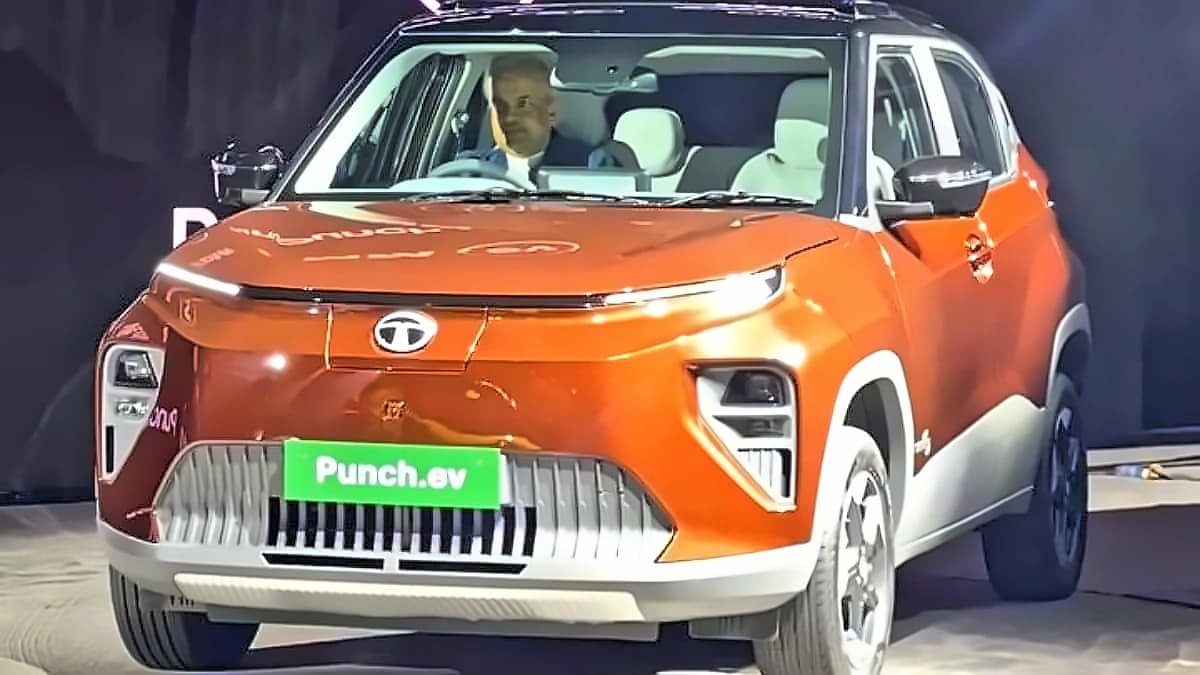
The most popular EV models include the new Punch, Nexon EVs, Harrier EV from Tata Motors, XEV 9e and XEV 9s from Mahindra, MG Windsor, and the Vinfast VF7. According to reports, the Vinfast VF7 is gaining even more momentum while the eVitara from Maruti Suzuki has entered the market with strong initial performance. With more EV launches planned, the market share is expected to increase further, supported by continued government efforts to conserve fuel and promote sustainable mobility solutions. The market now offers Tata Tiago EV starting at ₹7.99 lakh with a range of up to 315 km, Tata Punch EV at ₹6.49 lakh (BaaS) with 468 km range and fast charging capability, and MG Windsor EV priced at ₹9.99 lakh as premium options under ₹15 lakh. Critics note that stable electricity is still not available for charging in villages, raising questions about the practicality of the initiative for rural populations, while the Prime Minister's call to action emphasizes that India has lithium reserves sitting in Jammu & Kashmir, Odisha and we're still importing.