Gig workers across India are staging a five-hour shutdown from 12 pm to 5 pm in protest against the recent fuel price hike that has severely impacted their earnings. The Gig and Platform Service Workers Union (GIPSWU) has demanded an immediate increase in per kilometre service rates from both the government and major digital platforms after petrol and diesel prices were raised by ₹3 per litre across the country. According to NDTV reports, petrol in Delhi is now priced at around ₹97.77 per litre, while diesel costs about ₹90.67 per litre, marking the first major nationwide fuel price hike in nearly four years. GIPSWU President Seema Singh described the latest hike as a 'direct blow' to workers already struggling with rising expenses and severe heatwave conditions. The union has submitted memorandums to the government and major platforms seeking revised delivery charges, fuel compensation and urgent intervention.
Former R&AW Chief Samant Goel has raised serious concerns about Prime Minister Narendra Modi's decision to reduce his official convoy size as part of the fuel conservation drive amid the West Asia crisis. Goel, who served as Chief of India's foreign intelligence agency from June 2019 to June 2023, warned that 'the international security situation is highly volatile' and that 'India faces active threats, especially from a neighbouring state sponsoring terror'. According to Goel, 'Modern threats now include drones and sniper guns' and that 'security must be reviewed and strengthened, not downsized.' He emphasized that 'for over 25 years, since his time as Gujarat CM, Modi has faced serious threats due to his strong national security stance' and that 'Jihadi elements domestic, neighbouring, and international continue to target him.' Goel stressed that 'a drastically reduced convoy of just 2 vehicles makes it far simpler for adversaries or attackers to identify and target the PM's vehicle.' Top intelligence sources told News18 that 'in the current environment, the nation's interest demands reviewing and strengthening PM security not downsizing it.'
Chhattisgarh Chief Minister Vishnu Deo Sai on Saturday cut down his convoy size as Prime Minister Narendra Modi pushed for the austerity drive following the impact on fuel prices amid the West Asia crisis. Sai urged the people to minimise fuel consumption, underlining that he has reduced the number of vehicles in his official convoys. 'Responding to the call of our Prime Minister, we have voluntarily reduced the number of vehicles in our official convoys, and our Ministers have also reduced the number of vehicles they use,' he said. 'We appeal to everyone to make adjustments according to their own circumstances to minimise the consumption of diesel and petrol, which is the most practical approach right now,' Sai added, praising PM Modi's leadership during the COVID-19 pandemic. This follows similar actions by Union Ministers Amit Shah, Rajnath Singh and JP Nadda, who have also reduced the size of their convoys. Chief Ministers of several states, including Rekha Gupta, Yogi Adityanath, Mohan Yadav, Bhajanlal Sharma, Devendra Fadnavis and Sukhvinder Singh Sukhu, have also downsized their convoys in response to Modi's appeal.
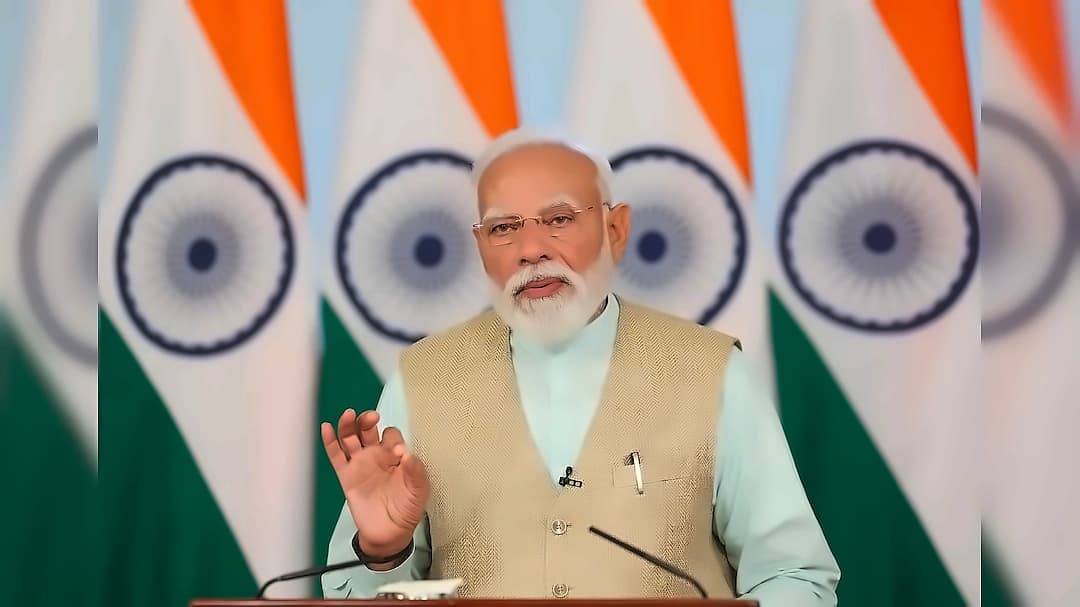
According to Google Trends data, work-from-home and fuel conservation appeals by Prime Minister Narendra Modi dominated search trends in India this week. Modi's appeal on Monday encouraged citizens to prioritise work-from-home where possible, reduce fuel consumption, and avoid non-essential foreign travel for a year. The message came amid disruptions linked to the ongoing United States-Iran conflict that has hurt global fuel supplies. Indians subsequently turned to Google to search queries related to fuel prices, Swadeshi products, and travel restrictions, as well as whether work-from-home policies will become permanent like during the Covid-19 pandemic. On Sunday, PM Modi made seven appeals to citizens to contribute towards economic resilience by reducing dependence on imported fuel and adopting environmentally sustainable alternatives amid the West Asia conflict. He urged citizens to prioritise work from home, cut fuel consumption, avoid foreign travel for a year, adopt Swadeshi products, reduce cooking oil use, shift to natural farming and curb gold purchases.
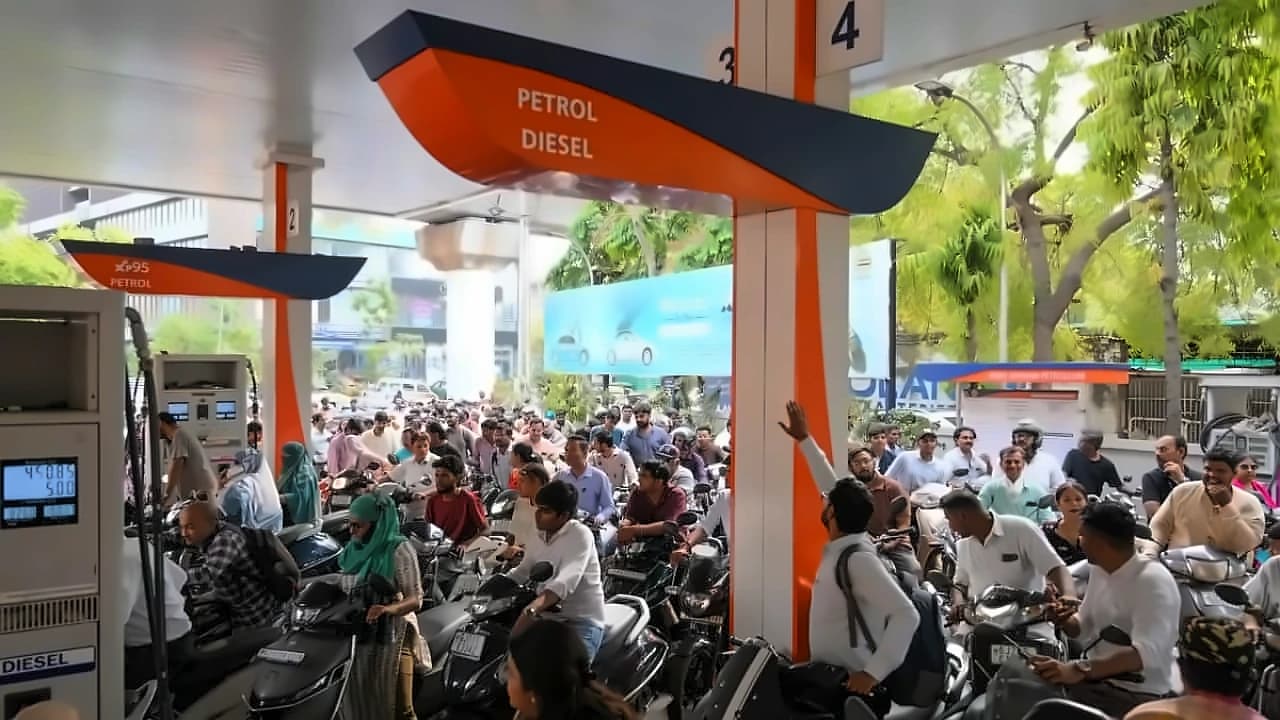
From May 15, petrol and diesel prices were raised by ₹3 per litre following government reports that state-owned oil companies were facing losses of ₹1,600 crore per day due to supply shock from the Middle East war. The rise follows a surge in global crude oil prices amid continuing tensions in the Middle East, particularly around Iran and the Strait of Hormuz. Panic buying emerged in some regions, with visuals from Odisha and Raipur showing crowded petrol pumps and demand surging up to 50%. Media reports noted pumps running dry in many places as people feared further price increases. CNG prices have also increased by ₹2 per kg across India, adding additional pressure on household budgets after the petrol and diesel price hikes. To combat the volatility of fuel prices, PM Modi urged a shift in how India moves, requesting citizens to reduce petrol and diesel consumption by using the metro and public transport wherever available, opting for carpooling when private vehicles are necessary, preferring railway transport for the movement of goods, and increasing the use of electric vehicles wherever possible.
The fuel price hike has triggered severe concerns among lakhs of delivery workers and app-based drivers who depend on motorcycles and scooters for their daily income. According to NDTV reports, the Gig and Platform Service Workers Union (GIPSWU) said the increase would directly affect nearly 1.2 crore gig and platform workers who travel long distances every day while covering fuel, servicing and maintenance costs themselves. National Coordinator Nirmal Gorana said gig workers were among the worst affected sections of India's unorganised workforce, pointing out that while fuel prices, vehicle costs and maintenance expenses have increased sharply, payments offered by digital platforms have not risen in proportion. Women gig workers, delivery staff and drivers were facing particularly difficult working conditions, with many spending 10 to 14 hours a day on the road in heavy traffic and extreme weather to earn enough money. According to NITI Aayog estimates, India had around 77 lakh gig workers in 2020 and 2021, a number expected to cross 2.3 crore by 2029 and 2030. The union has warned that many workers could leave the sector if immediate relief is not provided.