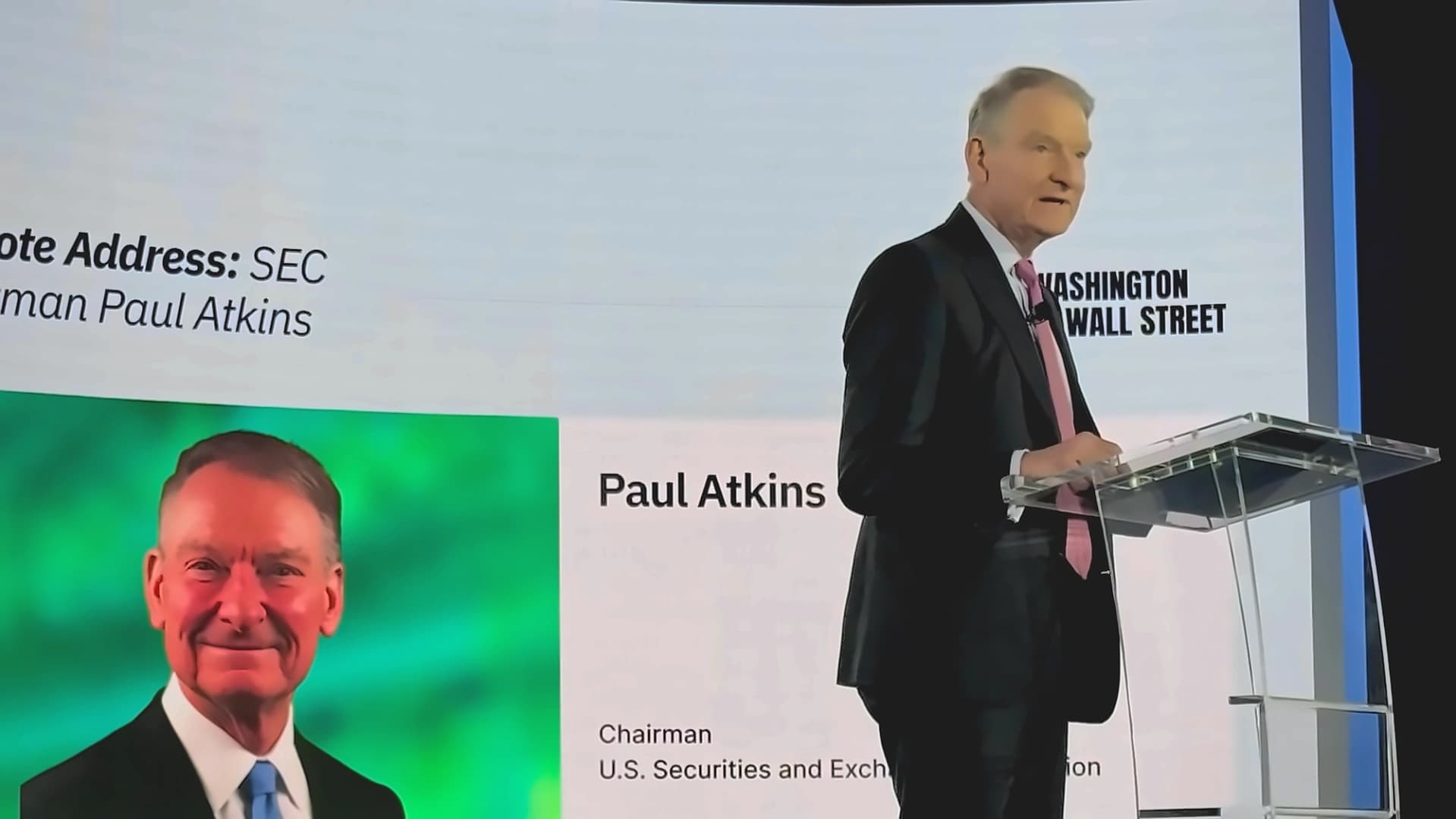
SEC Chair Paul Atkins has filed two proposed rulemakings targeting a public company framework unchanged for more than 20 years, with the stated goal of expanding initial public offering access to more companies and retail investors. According to reports from the SEC, this marks the first formal step in Atkins' 'Make IPOs Great Again' agenda, as listed U.S. companies have declined roughly 40% since the mid-1990s. Atkins attributes this shift to decades of accumulated regulatory burden, with rising compliance costs making private capital markets increasingly attractive to growing companies.
The Filer Status Proposal raises the public float threshold for full disclosure requirements from $700 million to $2 billion, a benchmark that has remained unchanged since 2005. As reported by the SEC, the proposal also converts the post-IPO on-ramp from a five-year maximum to a five-year minimum. Companies with $35 million or less in assets gain extended filing deadlines for annual and periodic reports. Currently, 52% of public companies benefit from some form of disclosure scaling, which would rise to 81% under the proposal. The remaining companies still represent 93.5% of the total public market float, reflecting what Atkins describes as a deliberate balance between capital formation and investor protection.
According to CoinGecko data, tokenized stocks expanded from 14 assets on January 31, 2024, to 478 assets by May 31, 2026, representing growth of more than 3,300%. The same dataset showed real-world assets increasing from 64 projects to 1,282, a gain of roughly 1,900%. Coinbase has already disclosed plans to launch tokenized stocks backed one-for-one by underlying shares, while Binance and other exchanges have expanded similar offerings outside the United States. Under the framework being discussed, tokenized shares could carry the same economic rights as traditional equities, including dividend payments and voting privileges.

Separate from the proposed exemption, the SEC last week advanced a market structure proposal that could influence how tokenized equities operate in the United States. The agency proposed rescinding Rules 611 and 610(e) of Regulation NMS, two provisions that have governed U.S. stock trading since 2005. Rule 611 currently prevents trading venues from executing stock orders at inferior prices when better quotes are available elsewhere, while Rule 610(e) addresses locked and crossed quotations in national market system stocks. The regulator said the proposal would also remove related definitions from Rule 600 and open a 60-day public comment period after publication in the Federal Register.
Large financial institutions have also begun exploring the tokenized equity market. As per a WSJ report, Citigroup is preparing tokenized shares tied to private companies such as OpenAI and Anthropic, initially targeting international investors before potentially expanding access to U.S. clients. The New York Stock Exchange is developing infrastructure for 24-hour stock trading through tokenized market systems, according to previous disclosures. According to Reuters, SEC Chair Paul Atkins is expected to introduce an innovation exemption that would allow companies to test blockchain-based financial products under a modified regulatory framework, with the proposal expected to permit experimentation without requiring full compliance with every existing disclosure and investor-protection rule.