United Spirits shares rose 1.05% to ₹1,560.20 as of 1.32 pm on Friday, August 21, following the Food Safety and Standards Authority of India's (FSSAI) revocation of multiple regulatory orders. According to CNBC TV18, the company stated that both revocations have no material operational or financial impact on its business operations. The stock movement reflects investor confidence in the regulatory resolution, with the market responding positively to the removal of previous restrictions. The shares have gained 12.31% over the past month and 11.24% so far this year, demonstrating strong investor sentiment despite the initial regulatory challenges.
The FSSAI issued the revocation order on August 20, 2026 for the Madhya Pradesh whisky products, which was received by United Spirits on August 21, 2026, at around 11 am IST following engagement with FSSAI. The July 29 order had related to identified whisky products manufactured at a third-party facility in Madhya Pradesh, with FSSAI holding that the product labels were not in conformity with provisions of the Food Safety and Standards Act, 2006. Separately, the FSSAI issued the revocation order on August 17, 2026 for the Baramati facility order, which was received by a company officer on August 18, 2026, at around 12:40 pm IST. As per United Spirits regulatory filing, the company had previously challenged the June 29 order before the Bombay High Court through a writ petition filed on August 1, 2026, contending that product labels were fully compliant with prevailing legal and regulatory framework in India.
The government earlier this month banned several whisky and rum products from Diageo and other Indian companies as part of one of India's biggest food-safety enforcement drives in recent years. Among the affected Diageo products are McDowell's No. 1 Celebration Matured XXX Rum in Maharashtra and Antiquity Blue and Royal Challenge whisky in Madhya Pradesh. According to government sources familiar with the matter, Diageo has agreed to stop adding whisky flavouring to whisky and rum flavouring to rum as part of the reformulation process. The restrictions affected Diageo's popular brands, with the company previously maintaining that its products comply with applicable laws. The changes will be required to these brands made anywhere in India, not only the states where they were restricted earlier, as confirmed by the first government source. As part of the agreement, Diageo has also agreed to make the presence of added flavouring clearer through front-of-pack labelling while the reformulation process is completed.
Royal Challenge is one of Diageo's major brands in India, with the company reporting that more than 4.5 million nine-litre cases of the whisky are sold annually, placing it in the mid-prestige price segment. Its front label describes the product as a blend of Indian grain spirit and imported Scotch matured in American oak casks. The back label currently states that the product contains demineralised water, grain neutral spirit, Scotch, permitted natural colour and added nature-identical (whisky) flavouring substances. As part of the agreement, Diageo has also agreed to provide clearer information on the front of the packaging about the flavouring substances used in the drinks until the reformulated products are introduced. While Diageo transitions to reformulation of its products, it has agreed to make clear via front-of-pack labels to spell out clearly what flavouring has been added to the spirits. The economics of the reformulation could be equally challenging, with ENA costing about ₹65 a litre compared with ₹200-250 for even one-year-matured MMS, meaning a case requiring about four litres of spirit could potentially make Royal Challenge and Antiquity loss-making brands at current EDPs.
The regulatory dispute dates back to July when FSSAI notices were sent to companies across the alcobev industry, including Diageo and Mohan Meakin Ltd, over alleged violations involving added flavours and age claims. The regulator alleged that manufacturers were using flavours to replicate the natural taste and aroma of rum, brandy, gin, whisky, wine and beer, and were making unauthorized age claims. At the heart of the dispute is the label "artificial flavour (rum)" - the FSSAI's position is that any rum flavour must reflect natural ingredients, fermentation and maturation, not additives. The Bombay High Court heard the matter on 10 August and has sought the Centre's response by 19 August. India's whisky, brandy and rum market is approximately 432 million cases annually, representing approximately 1.73 billion litres of actual alcohol content. Industry experts warn that the FSSAI's interpretation could upend a long-standing manufacturing model for Indian whisky and rum, with implications for product costs, taste, pricing and availability. The regulator's concern was specifically the addition of flavours identical to those associated with the standardised alcoholic beverage, such as rum flavour in rum or whisky flavour in whisky, which it said could mislead consumers about the true nature of the product.
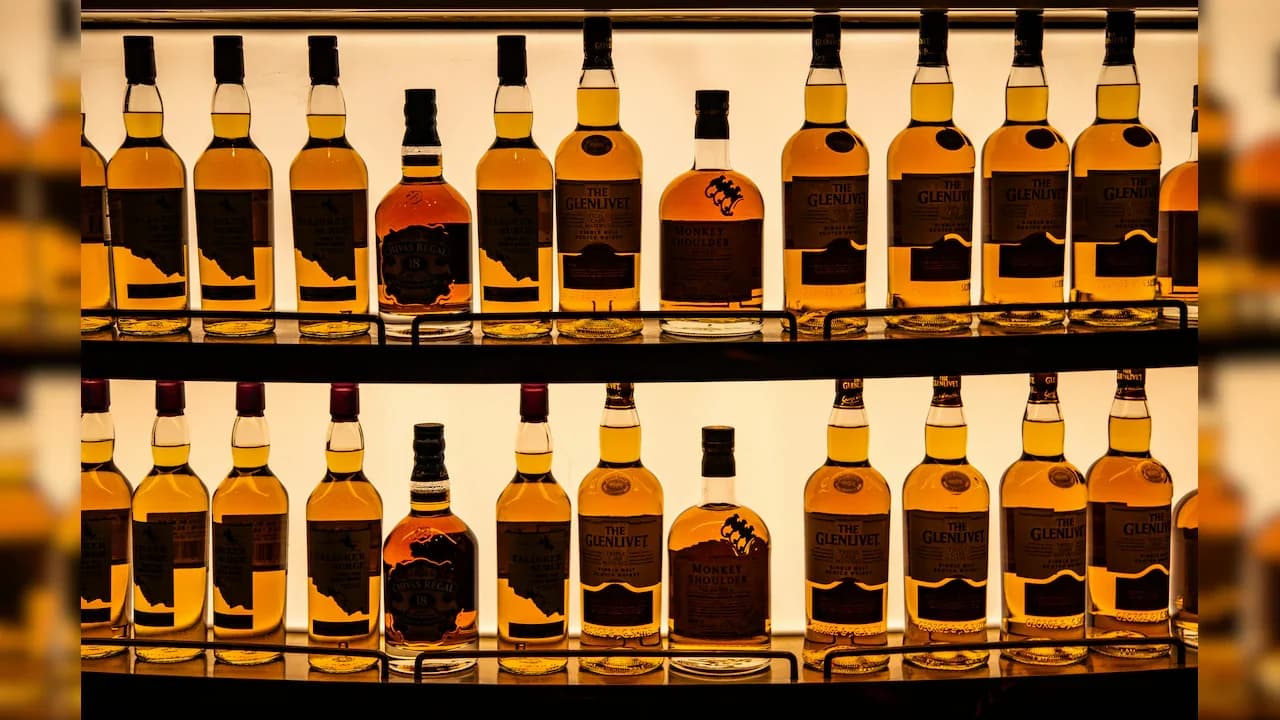
Separately, Indian authorities have seized nearly 18,000 crates of Diageo liquor bottles over alleged packaging violations. The latest developments add to regulatory pressure on Diageo as it works through compliance issues in one of the world's largest and fastest-growing spirits markets. The action has triggered legal challenges from liquor manufacturers, including United Spirits and Old Monk-maker Mohan Meakin, with the Bombay High Court examining those challenges. Diageo has contested a Maharashtra order restricting sales of McDowell's No. 1 Celebration Matured XXX Rum, arguing that the food safety officer who issued it lacked statutory authority and had bypassed the required adjudicatory process. In a 1 August filing, the company also challenged the timing of the FSSAI's parallel consultation on flavour-labelling rules, calling it "premature, disproportionate and commercially prejudicial" to keep the prohibition in place while the regulator was still reviewing those very rules. Industry experts question whether state governments would allow brands to raise prices if longer maturation made products more expensive to manufacture, potentially leading to de-premiumization in the IMFL category.