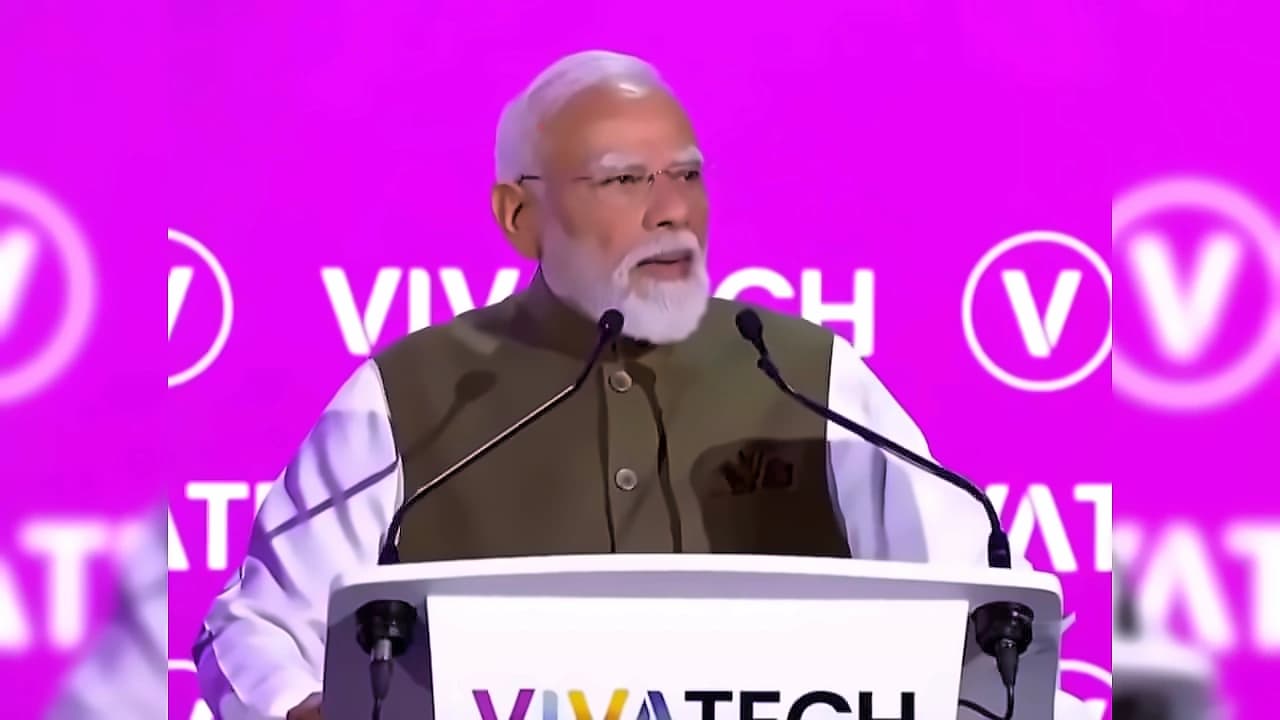
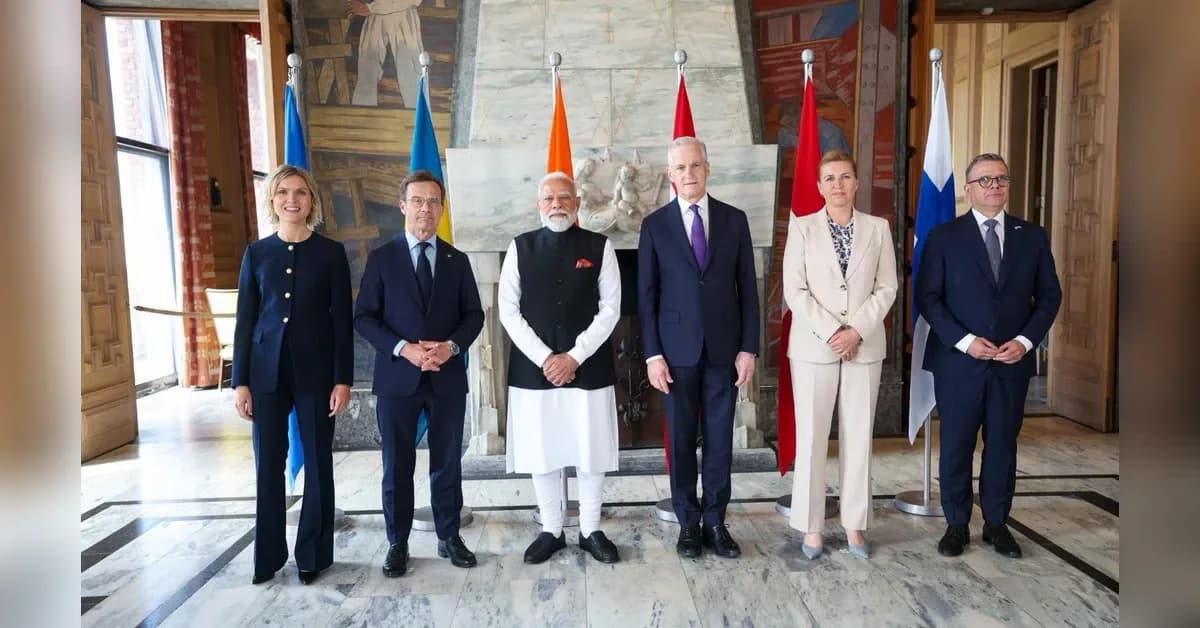
India and Sweden have upgraded their relationship to a strategic partnership, with Prime Minister Narendra Modi and his counterpart Ulf Kristersson endorsing an upgraded joint action plan (2026-2030) that cuts across green transition, emerging technology, trade, security and defence, climate action and economic frameworks. According to latest reports, Modi addressed a European roundtable also attended by EU chief Ursula von der Leyen, emphasizing that India and Sweden are connected by shared values of democracy, transparency, innovation and sustainability, providing a strong foundation for an ambitious economic partnership. Modi stated that 'We consider innovation to be the medium of development... sustainability to be our responsibility. And we consider democracy to be our strength'. Underlining the significance of political, economic and strategic convergence between India and Europe for peace and stability around the world, Modi said in today's tense global situation, close cooperation between democracies such as India and Sweden is of paramount importance. During their joint press meet, Modi shared that major steps have been taken to deepen India-Sweden cooperation in AI, clean energy, resilient supply chains, and defence.
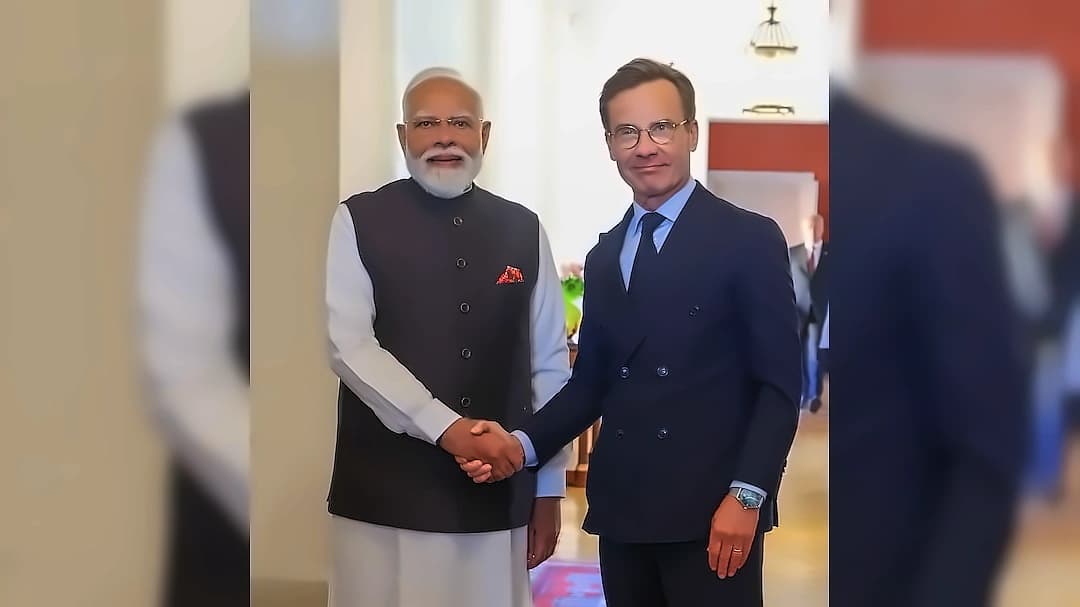
Prime Minister Narendra Modi engaged with select Swedish CEOs on 17 May 2026, emphasizing India's transformation into a global investment destination. According to latest reports, Modi addressed the European Round Table for Industry (ERT) during his official visit to Sweden, highlighting that India today represents one of the world's most attractive destinations for investment, innovation and manufacturing. The Prime Minister reiterated India's vision of 'Design for India, Make in India and Export from India' and invited European companies to deepen their engagement with India as a trusted and reliable economic partner. Modi was joined in these interactions by Her Royal Highness Crown Princess Victoria of Sweden and Prime Minister of Sweden, H.E. Mr. Ulf Kristersson. Speaking at the roundtable, Modi urged Swedish and European manufacturers to invest in India, stating that the nation's 'reform express' was moving 'at full speed'. Modi also proposed structural reforms to enhance India's investment climate and announced that an annual India-Europe CEO Round-table will take place to strengthen bilateral cooperation.
Modi highlighted five broad areas where Swedish companies can contribute to India's growth trajectory, as reported by NDTV. These include telecom and digital infrastructure, electronics and deep tech manufacturing, AI and green energy, infrastructure and mobility, urban transformation, healthcare and life sciences. The Prime Minister stressed that there are opportunities for all companies and assured that various steps, including an institutional system, can be put in place for them to be part of India's flagship projects in the coming years. He noted that the next wave of technology innovation should be co-created in India. Modi has now expanded these opportunities to include clean energy, defence, semiconductors and advanced manufacturing sectors, with the partnership now focusing on AI, clean energy, resilient supply chains, and defence as major areas of cooperation.
Leaders across Europe are recognizing India's rising economic and strategic influence under PM Modi, with industry leaders praising India's innovation, talent, and market potential while calling for stronger partnerships with the economic powerhouse India has become. As reported by mygovindia, from Sweden to Norway, leaders across Europe are recognizing India's growing strength in the global economy. This recognition comes as Modi continues to emphasize India's transformation into a global investment destination, with European industry leaders expressing confidence in India's economic trajectory and manufacturing capabilities. The growing momentum reflects the India-EU Free Trade Agreement that was successfully concluded in January, creating new opportunities in trade, technology, manufacturing, services and resilient supply chains.
Modi emphasized that India and Sweden are connected by shared values of democracy, transparency, innovation and sustainability, providing a strong foundation for an ambitious economic partnership. As reported by NDTV, he welcomed the longstanding contribution of Swedish companies to India's growth and encouraged deeper collaboration in research, innovation, green transition and manufacturing. The Prime Minister underlined that the India-Sweden partnership today is not merely an economic relationship, but a partnership of ideas, technology, innovation and co-creation. He invited Swedish companies to enhance their presence in India under initiatives such as 'Make In India', the National Green Hydrogen Mission, the National Critical Mineral Mission, and expanding opportunities in clean energy, defence, semiconductors and advanced manufacturing. Modi also highlighted that India's young population, expanding middle class and infrastructure development create significant opportunities for foreign investment. The Prime Minister also thanked the Swedish PM for expressing solidarity with India after the Pahalgam terrorist attack, noting that India and Sweden agree that terrorism is a serious challenge for the entire humanity.
Modi suggested holding the India-Europe CEOs Round-table annually and creating an India Desk at ERT to strengthen bilateral cooperation. According to NDTV, the discussions focused on strengthening cooperation in resilient supply chains, green transition, sustainable mobility, life sciences and digital technologies. The Prime Minister highlighted that India's young population, expanding middle class and infrastructure development create significant opportunities for foreign investment. He emphasized the importance of combining Sweden's strengths in innovation and sustainability with India's scale, talent and growth momentum to co-create solutions for the 21st century. Modi also highlighted India's rapid economic transformation driven by reform, strong domestic demand, digital public infrastructure, manufacturing expansion and next-generation infrastructure development.