The government has announced a ₹35,000 crore expansion of the PM-KUSUM agricultural solar scheme, creating significant opportunities for solar equipment manufacturers and project developers. According to The Financial Express, the Centre is considering this substantial outlay for PM-KUSUM 2.0, the proposed next phase of agricultural solarisation. The existing PM-KUSUM scheme currently has central financial support of approximately ₹34,422 crore, and the proposed second phase could go beyond installing solar irrigation pumps to integrate renewable energy with efficient irrigation and water conservation. However, the final funding, structure and implementation guidelines are still under discussion, with the programme potentially taking shape on farms rather than just rooftops and large solar parks.
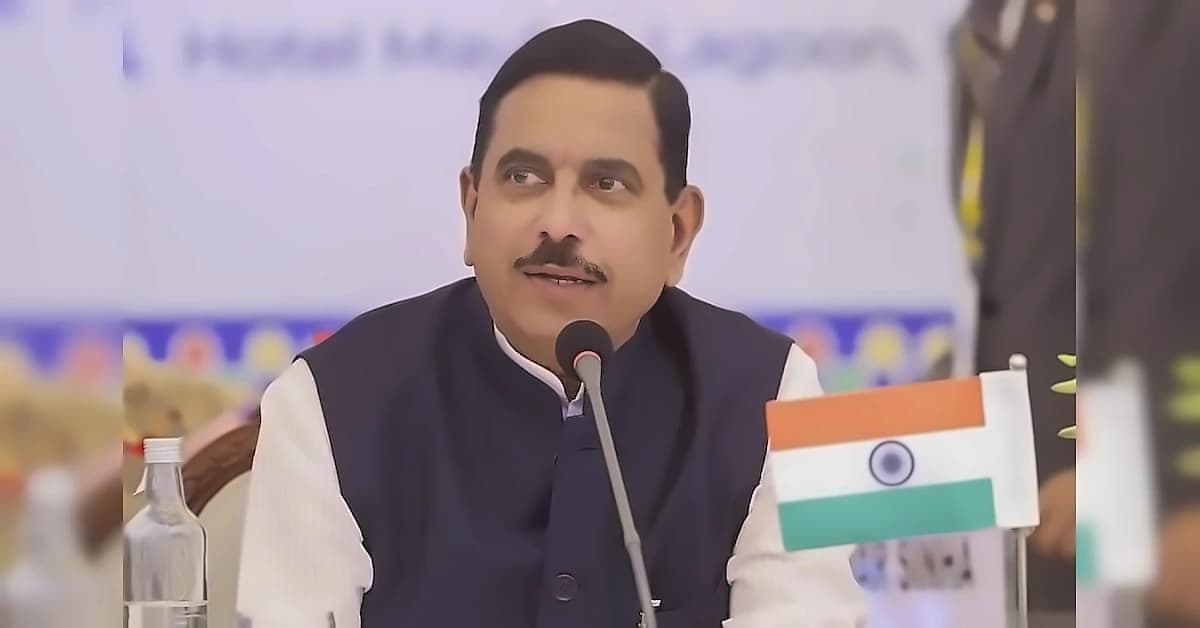
Uttar Pradesh has emerged as the leading state in implementing the PM Surya Ghar: Muft Bijli Yojana scheme, with 9.4 lakh households solarised and 3,147 MW of rooftop solar capacity installed, according to Union Minister of State for New and Renewable Energy Shripad Naik at the Bharat Renewable Energy Summit and Expo 2026 in New Delhi. The state accounts for nearly one-third of the total subsidy released nationally under the scheme, demonstrating its significant contribution to India's clean energy transition. Naik highlighted that the time taken to complete 50,000 installations has fallen from 270 days to 20 days, attributed to administrative efficiency and better last-mile delivery. During the summit, New and Renewable Energy Minister Pralhad Joshi emphasised that 100,000 rooftop solar installations are being completed every six days under the PM Surya Ghar scheme, with the target to reduce this to 4-5 days in the coming weeks.
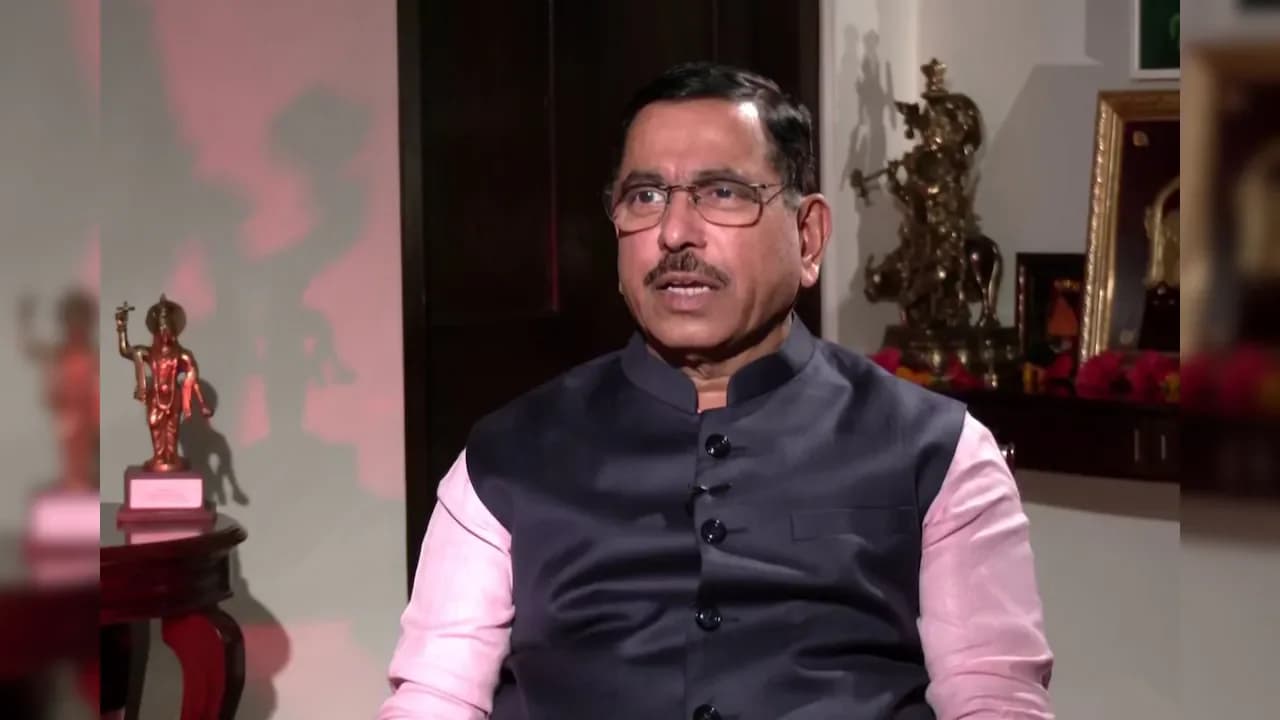
The government is working on key modifications to PM-KUSUM (Pradhan Mantri Kisan Urja Suraksha evam Utthan Mahabhiyan), with a second version likely to address implementation hurdles in the existing scheme, Union Minister for New and Renewable Energy Pralhad Joshi told NDTV Profit in an exclusive interview. According to the minister, the ministry is in consultation with the Agriculture Ministry on PM-KUSUM 2.0, and that Prime Minister Narendra Modi is keen to extend the scheme with the required changes. Joshi announced at the BRE Summit that concerns raised by multiple ministries, especially the Agriculture Ministry, regarding agrivoltaics policy will be addressed in the next phase. He stated that "very soon, we will finalise it" and emphasised the need to address problems raised by farmers, state governments, and other ministries. The second version will create a new model for decentralised renewable energy generation in rural India, where farmers will be able to generate renewable energy while farming on the same land.
Five small-cap solar companies have emerged as strong candidates to benefit from the proposed PM-KUSUM 2.0 expansion, all demonstrating return on capital employed (ROCE) above 35% and meeting other financial screening criteria. Oswal Pumps leads with ₹236 crore in repeat orders and has executed 1.19 lakh solar pumping systems across 13 states, while securing an additional ₹235.92 crore order from Maharashtra for 10,000 solar pumps. GK Energy has installed 61,085 solar systems and secured a ₹330.3 crore order for 14,000 solar pumps, maintaining an order book of ₹788 crore including rooftop solar and battery storage projects. Bondada Engineering has commissioned 1.7 GWp of solar EPC projects with another 5.3 GWp under execution, reporting 81% revenue growth to ₹2,842.8 crore in FY26. Websol Energy System supplies to PM-KUSUM with 1.2 GW solar cell capacity and an order book of ₹1,161 crore, while Emmvee Photovoltaic Power maintains a 10.4 GW order book with 70% comprising domestic-content-requirement projects.
Joshi emphasized that battery energy storage is not a missing link in India's energy transition, but noted that the growing availability of electricity during daytime hours has increased the need for storage capacity. As reported by NDTV Profit, India currently has around 9-10 gigawatts of energy storage capacity, but the country will need significantly more as renewable energy generation expands. The Centre has earmarked ₹6,000 crore in viability gap funding (VGF) support to encourage battery energy storage projects under India's Green Energy Corridor, which would help build 50 gigawatt-hours of battery energy storage capacity.