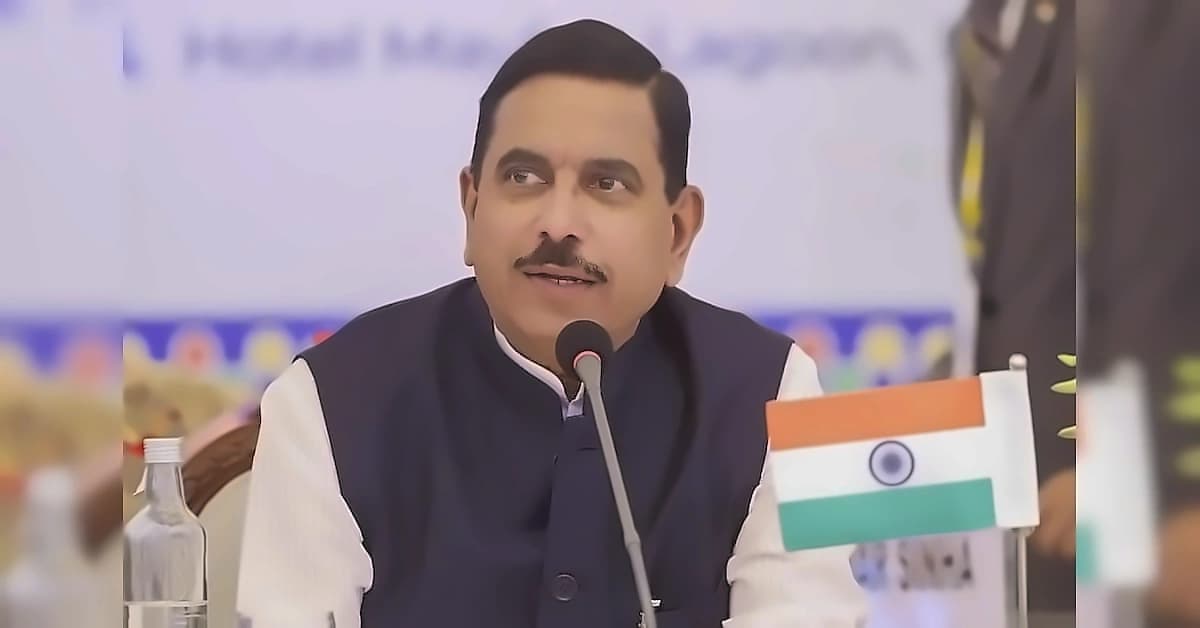
Union Minister Pralhad Joshi announced that PM-KUSUM 2.0 will be launched soon to enable farmers to generate renewable energy while continuing farming on the same land. According to reports from Business Standard and Rediff Money, the scheme will be announced anytime and will create a new model for decentralised renewable energy generation in rural India. An official confirmed that the scheme is expected to include a dedicated 10 GW agri-PV component to promote co-location of solar panels with crops, with the outlay expected to be higher than the first version of the scheme. Joshi made this announcement on Thursday while speaking on the sidelines of a curtain-raiser event for the 7th Agrivoltaics World Conference 2026, scheduled to be held in New Delhi from October 21 to 23.
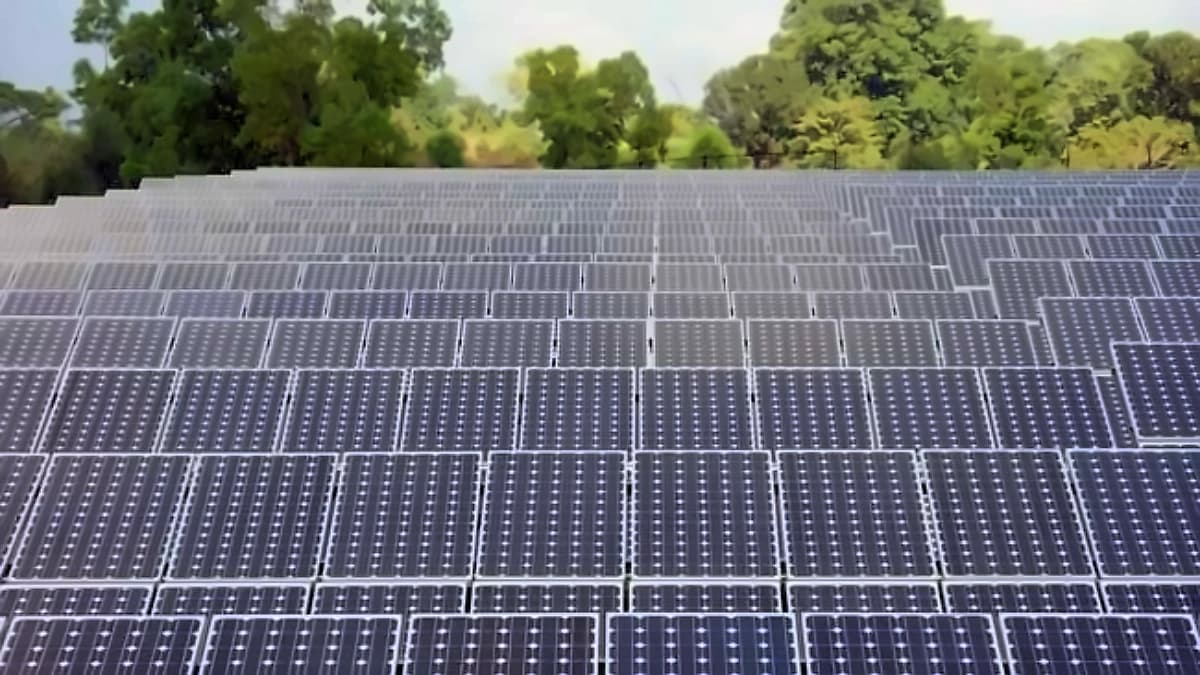
As reported by Business Standard, Minister Joshi emphasized that agrivoltaics allows farmers to do both crop and solar generation simultaneously on the same land. He noted that India has 18% of the world's population but only 2.4% of world's land, with more than 85% of farmers being small and marginal, cultivating less than 2 hectares. The minister explained that with agrivoltaics, farmers can generate clean energy above while crops continue to grow below, eliminating the need to choose between crop and solar plants. At the recent agrivoltaics conference, the Indo-German Cooperation on Agrivoltaics (IGCA) invited proposals from stakeholders, including farmers, farmer organisations, renewable energy developers and public institutions for technical support, viability gap funding and research instrumentation support for different categories of existing and planned agrivoltaics projects. Recent international examples demonstrate the effectiveness of this approach, with Massachusetts farms achieving 80% crop yields under solar panels, as reported by The Cool Down, showing how the solar panels provide shade and alter airflow to benefit soil moisture and temperature in hot and dry conditions.
According to Business Standard, the existing PM-KUSUM scheme has achieved significant milestones, with around 29 lakh pumps being solarised. Last year, decentralised solar contributed 16.3 GW, comprising 7.6 GW from PM-KUSUM and 8.7 GW of rooftop solar under the PM Surya Ghar Muft Bijli Yojana, which is touching 5.6 million beneficiaries. India added 55.29 GW of non-fossil capacity last year, surpassing the entire installed power capacity of several developed countries including Norway (40.6 GW), Switzerland (around 30 GW), Austria (34 GW) and Belgium (around 33 GW).
As reported by Business Standard and Rediff Money, the Pradhan Mantri Kisan Urja Suraksha evam Utthaan Mahabhiyan (PM-KUSUM) was launched in 2019 with an outlay of ₹34,422 crore. The scheme aimed to encourage renewable energy use in agriculture and help farmers reduce irrigation costs by adding 34,800 MW of solar capacity by March 2026. The Indo-German Cooperation on Agrivoltaics (IGCA) invited proposals from stakeholders at the event for technical support, viability gap funding and research instrumentation support for different categories of existing and planned agrivoltaics projects.