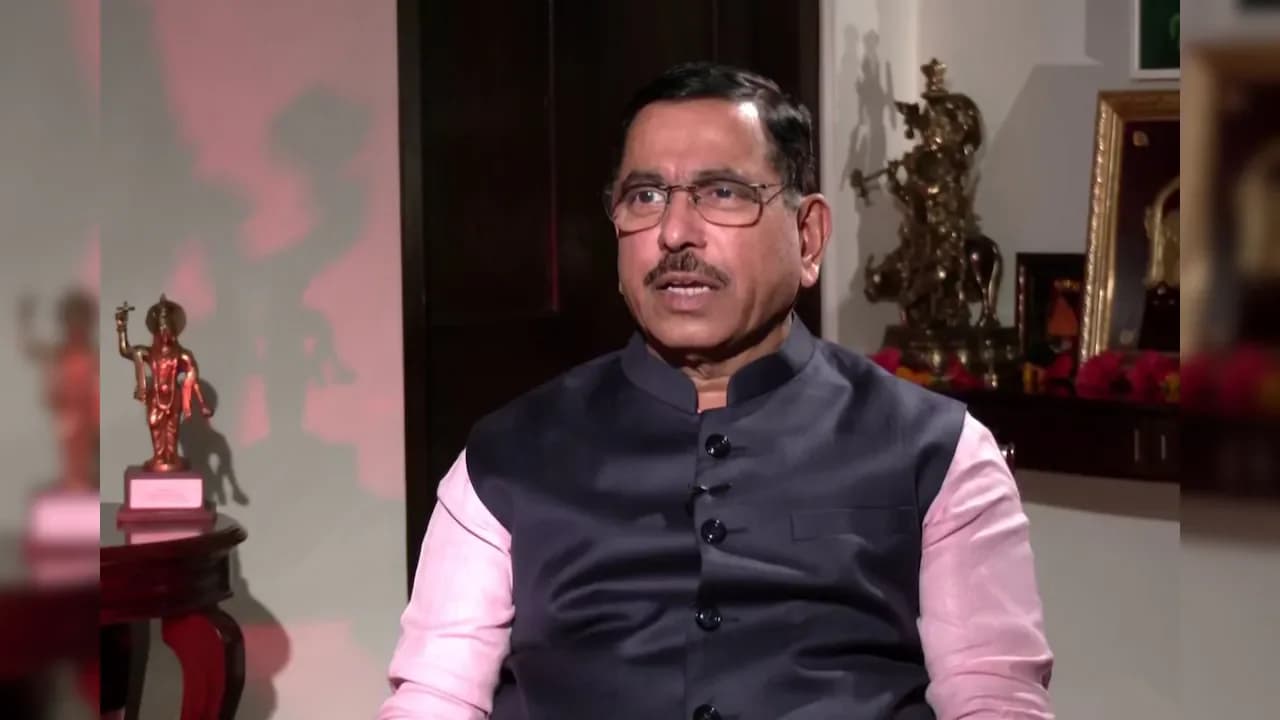
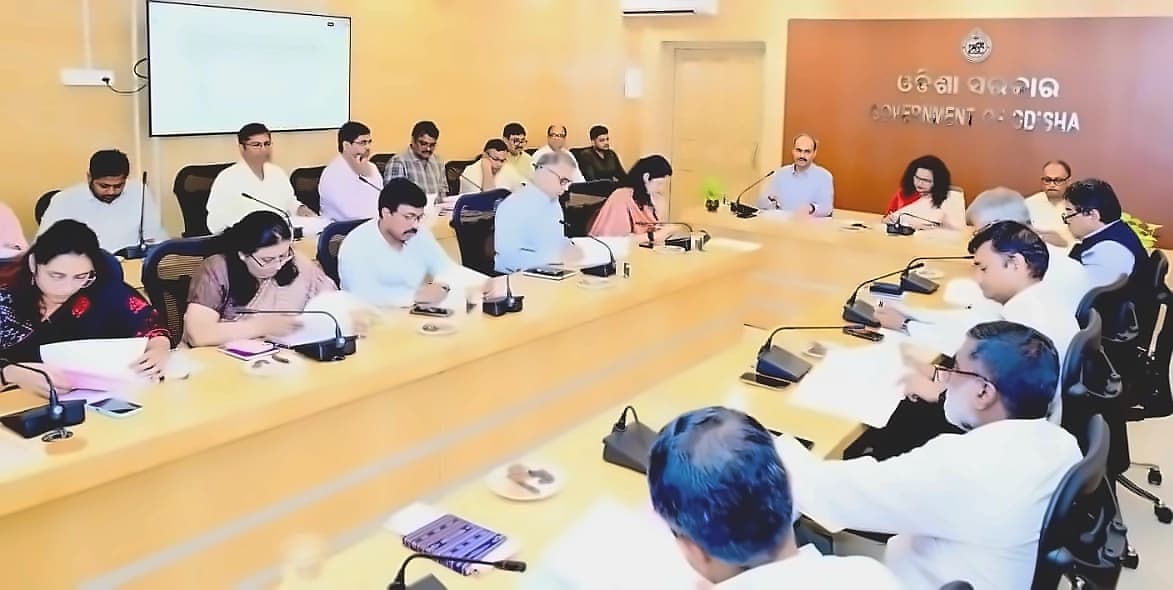
New and Renewable Energy Minister Pralhad Joshi announced that 17 memoranda of understanding (MoUs) and three government orders in the renewable energy sector, signed at the 31st CII Partnership Summit, represent investments worth ₹43,871 crore. According to reports from Business Standard, these agreements also promise employment potential for around 4,700 people, highlighting the significant industrial commitment to the sector. Speaking at the event in Visakhapatnam, Joshi emphasized the importance of these commitments for India's renewable energy transition.
Joshi revealed that the government would soon launch the second phase of PM-KUSUM scheme, expanding beyond solarizing agricultural pumps to include agricultural equipment powered through solar energy. As reported by Business Standard, the minister emphasized that manufacturing capabilities will be crucial for this expanded scope, stating that "in PM KUSUM 2.0, the Prime Minister has given a call for using agricultural equipment powered through solar energy, and to that effect, manufacturing has to happen." This represents a significant shift in the scheme's focus and implementation approach, moving from simple pump solarization to comprehensive agricultural equipment solarization.
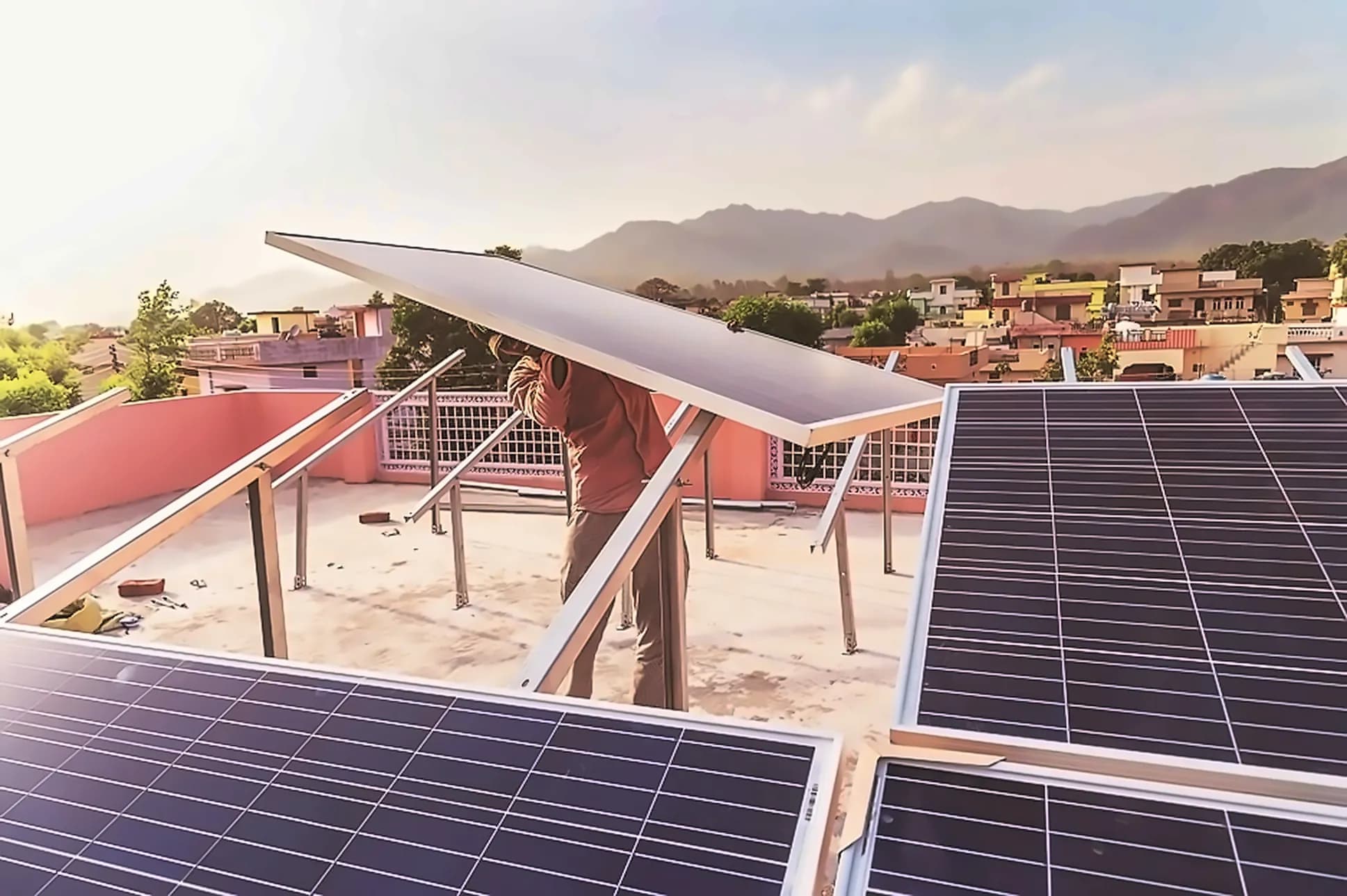
The minister highlighted substantial progress in decentralized renewable energy adoption, with 7.86 lakh households connected with rooftop solar in Andhra Pradesh alone. According to Business Standard, under the PM Surya Ghar Muft Bijli Yojana, 66 lakh households have benefited across the country, against an initial target of 1 crore when the scheme was introduced in 2024. The ministry has also improved installation efficiency, with 1 lakh installations now taking an average of six days, aiming to reduce this to five days shortly.
Joshi emphasized the rapid transition toward renewable energy, stating that 55 per cent of India's total installed power capacity now comes from non-fossil sources, with this share expected to cross 60 per cent within 2-3 years. As reported by Business Standard, he highlighted that geopolitical uncertainties have exposed dependence on imported fossil fuels, noting that without renewable energy, India could have faced an energy emergency similar to situations experienced by other countries. In the coming years, renewable energy, including pumped storage projects and battery energy storage systems, is going to take a big leap, according to the minister.